Interdisciplinary Aesthetics Project × Teacher Training Committee Special Issue 6 | The Intersection of SEL and Interdisciplinary Aesthetics: A Four-Level Path of Communication and Expression
2026/04/23
In interdisciplinary aesthetic education, SEL (Skilled Learning Experience) is an indispensable core competency, guiding learners to cultivate awareness, responsiveness, and connection skills through interaction. When "listening" becomes a skill that can be practiced in the classroom, communication no longer stops at expression but moves towards understanding and co-creation.
In this special issue for teacher training committee members, Professor Lin Chia-hui from National Taichung University of Education shared how to guide teachers and students to gradually integrate social-emotional learning and aesthetic appreciation into daily life through the practice of four levels of listening.
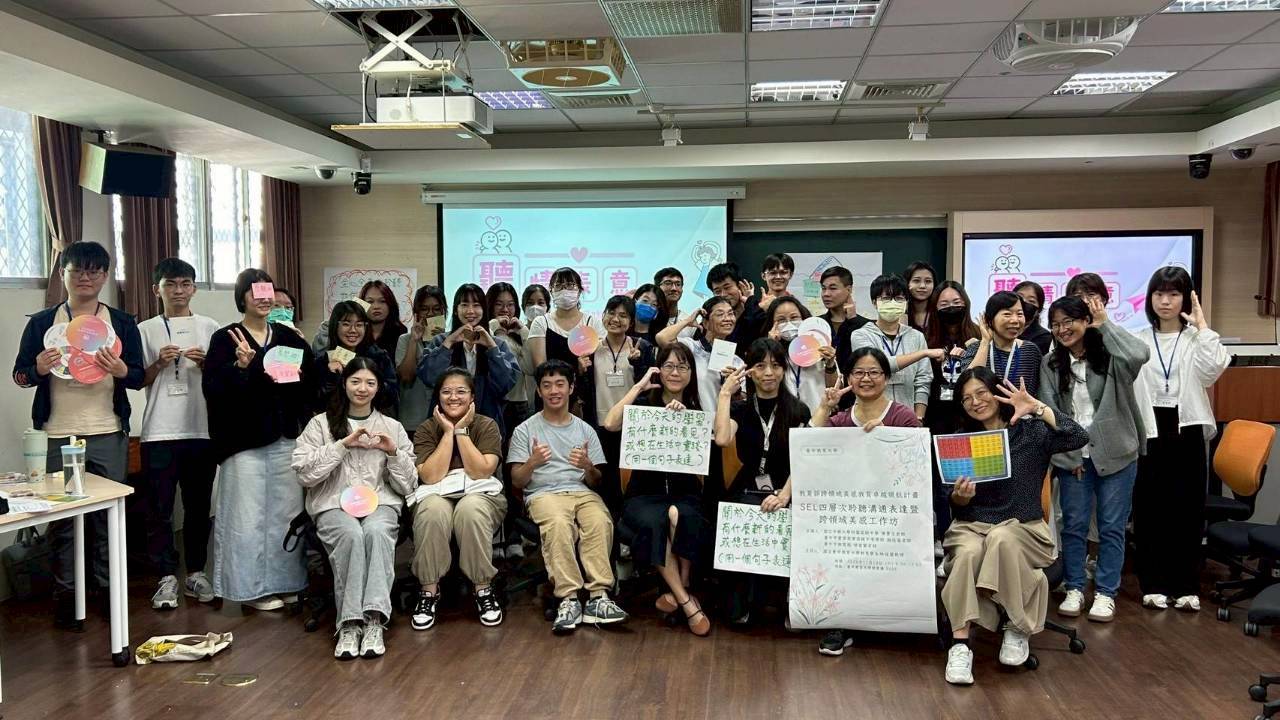
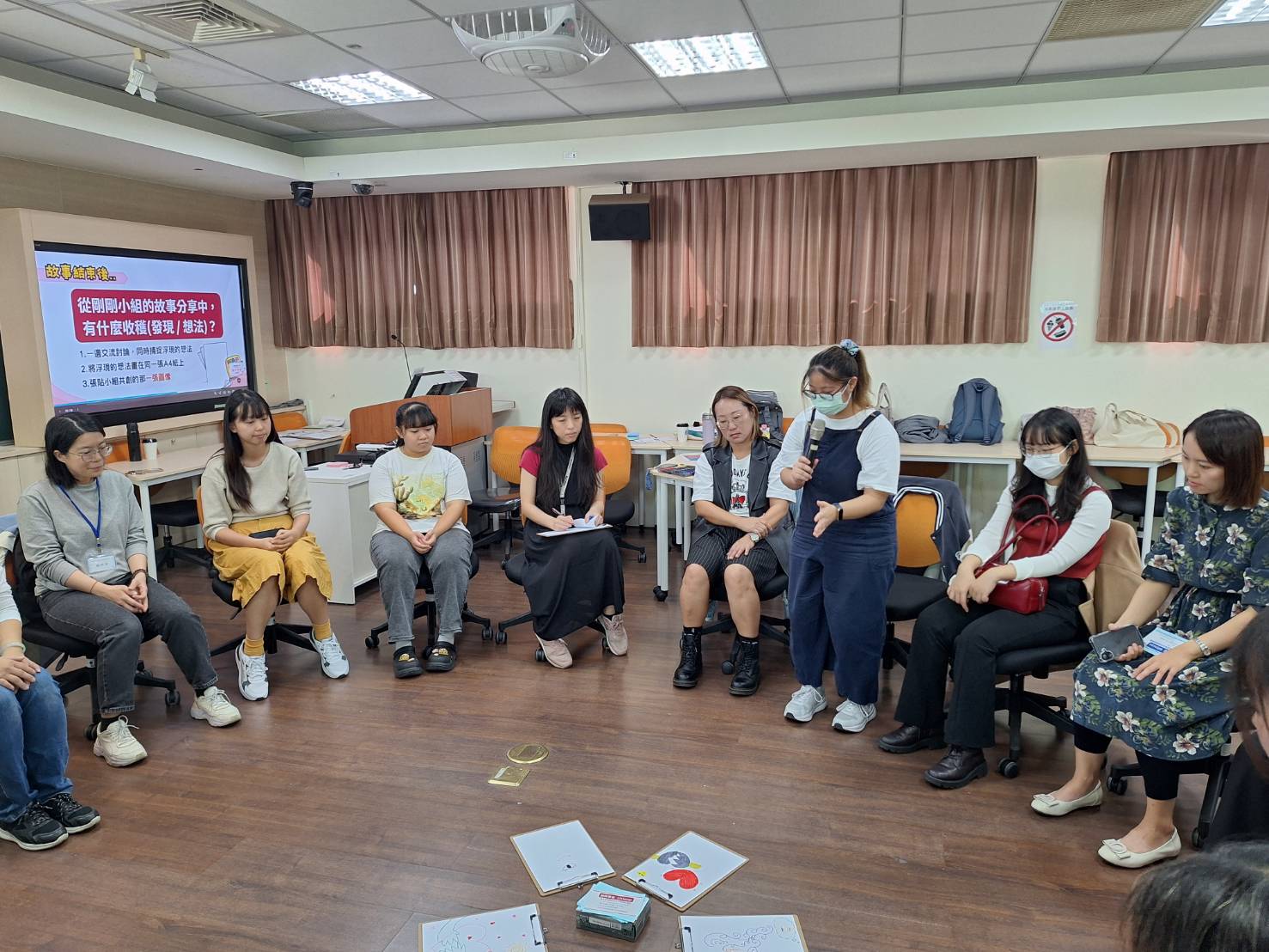
The two "SEL Four-Level Communication and Expression and Interdisciplinary Aesthetics Workshops" held on November 15th and November 29th were led by Ms. Chia-Hui Lin from the Department of Education at National Taichung University of Education, the co-host of the Interdisciplinary Aesthetics Education Project Teacher Training Program, and Ms. Chia-Chieh Wu from the Department of Music. They invited Ms. Hsiang-Lan Lin from Shalu High School, Ms. Chia-Hui Shih from Fengyuan Commercial High School, and Ms. Pao-Yu Chen from National Chung Hsing University Affiliated Senior High School to guide nearly 60 teachers from secondary school teacher training programs and current teachers from the central Taiwan region of Changhua and Nantou.
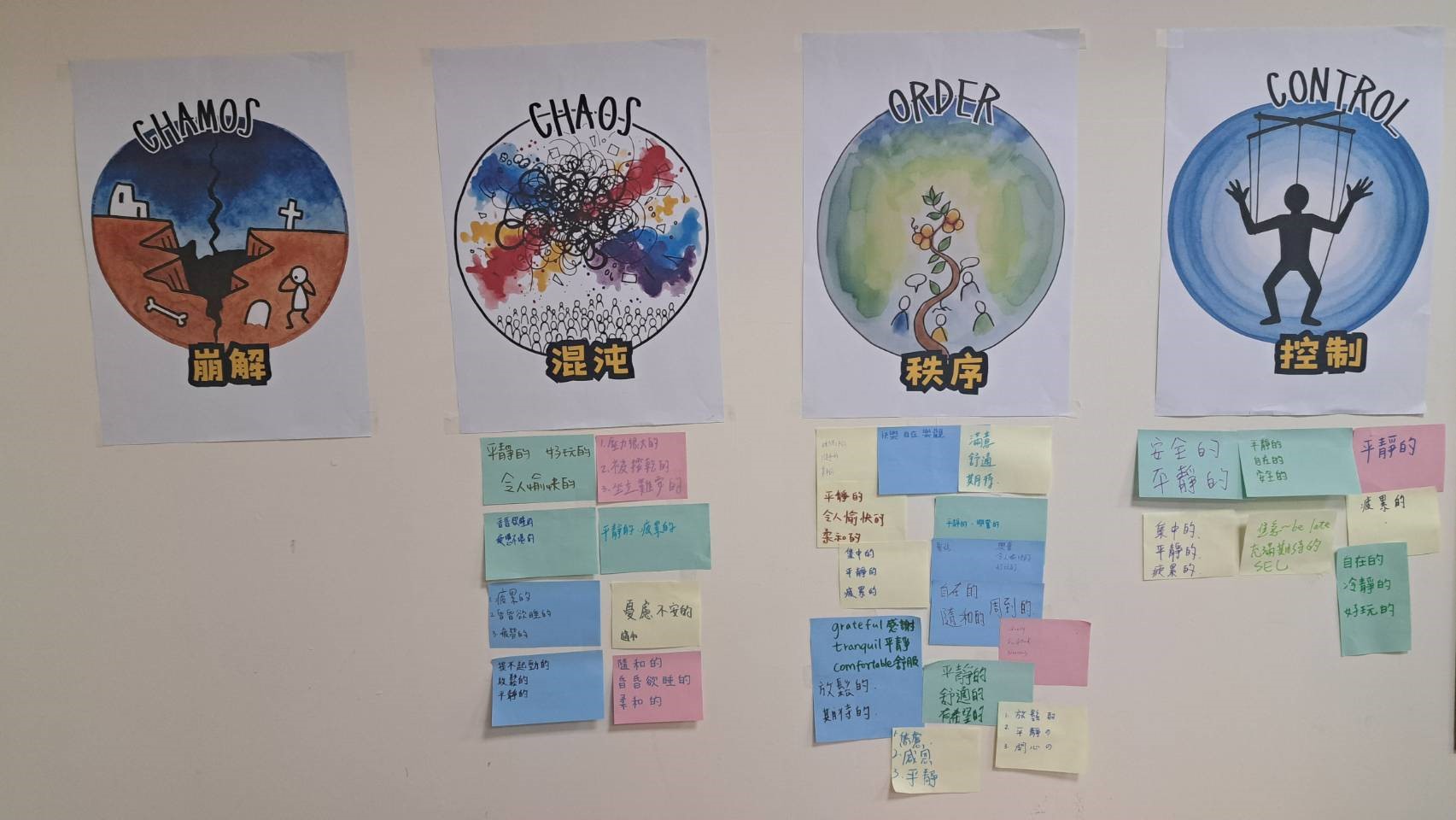
The three instructors guided participants step-by-step through recognizing their own emotions, practicing empathetic listening, and demonstrating the power of mindful questioning. This transformed communication from merely speaking and listening into an art of deep connection. The entire process was subtly integrated with socioemotional learning, allowing participants to naturally enhance their emotional awareness, interpersonal sensitivity, and collaborative skills through interaction, progressing from self-awareness to a four-level exploration of listening.
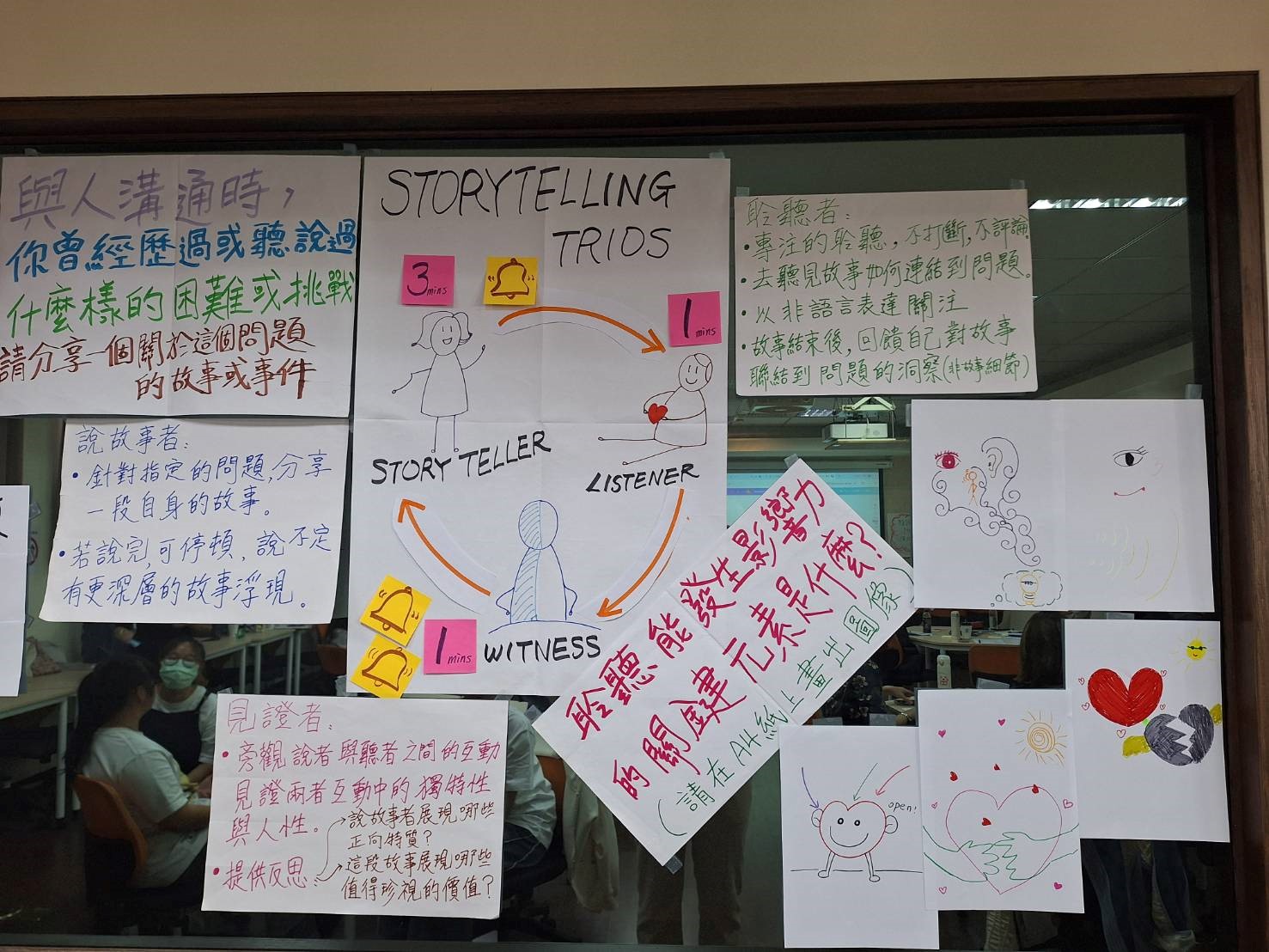
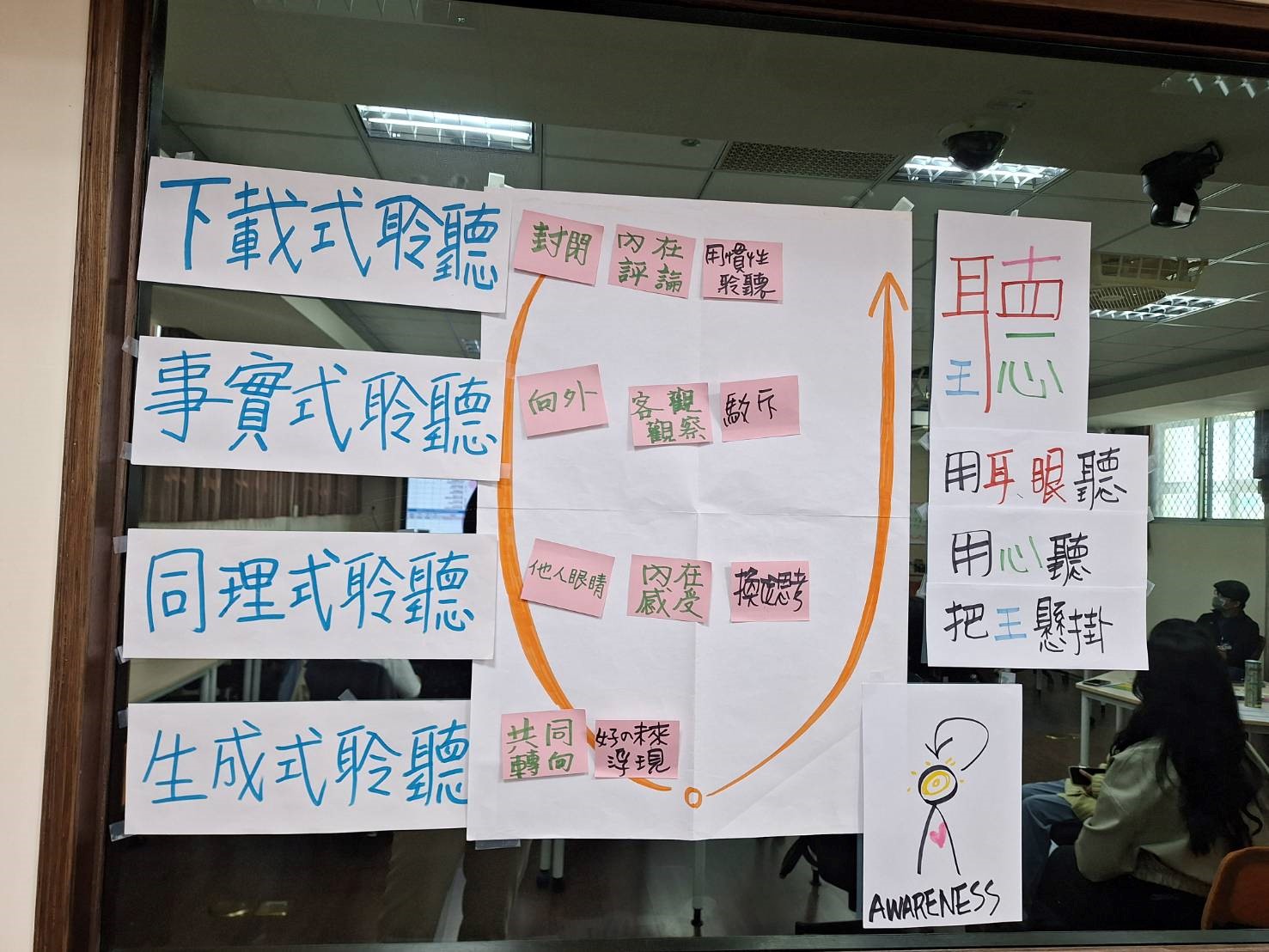
The "Four Levels of Listening" consist of download-based, factual, empathetic, and generative listening. Among them, "Generative Listening" particularly caught the attention of many participants because it can inspire creativity, broaden horizons, and is closely linked to cross-disciplinary creative thinking. In the subsequent three-person storytelling group practice, everyone took turns being the storyteller, listener, and witness.
Listeners attentively accompany the listener without interrupting and share their insights at the end. Witnesses point out the strengths and values demonstrated by the storyteller, giving everyone a sense of being seen. This is followed by a collaborative image creation activity for four people. Each group uses simple lines and symbols to represent "why good listening is impactful," and communicates with other teams through storytelling based on the images, allowing ideas to flow through visual language. Participants can practically identify each other's needs, and the three instructors use questioning strategies to help participants express their self-messages more clearly.
The entire event was both profound and heartwarming. Whether it was listening, asking questions, or expressing ideas visually, participants gained new understanding of communication in an atmosphere that was both emotional and intellectual, and brought social-emotional learning and aesthetic appreciation into their daily lives.