Interdisciplinary Aesthetics Project × Teacher Training Committee Special Issue 9 | Plant-Based Guandu: Design Thinking Nature Art Workshop
2026/04/23
This week's special feature on teacher training committee members, led by Assistant Professor Chen Chun-wen from Taipei National University of the Arts, documents how, over the past ten years, students from the Taipei National University of the Arts' Graduate Institute of Arts Education and students from Duobao Art Academy have collaborated, using design thinking and plants as a medium to enter the community and respond to life. Through their creations, they show care for the local community and reflect on the relationship between humans and nature.
Professor Chen Chun-wen's "Design Thinking and Practice" course at the Graduate Institute of Arts Education at Taipei National University of the Arts, led by graduate students and students from Duobao Art Academy, utilizes design thinking to understand the local context, transform materials, and respond to users. The course places particular emphasis on aesthetics and emotional connection, using plants as a medium to generate meaningful design initiatives for the Guandu community.
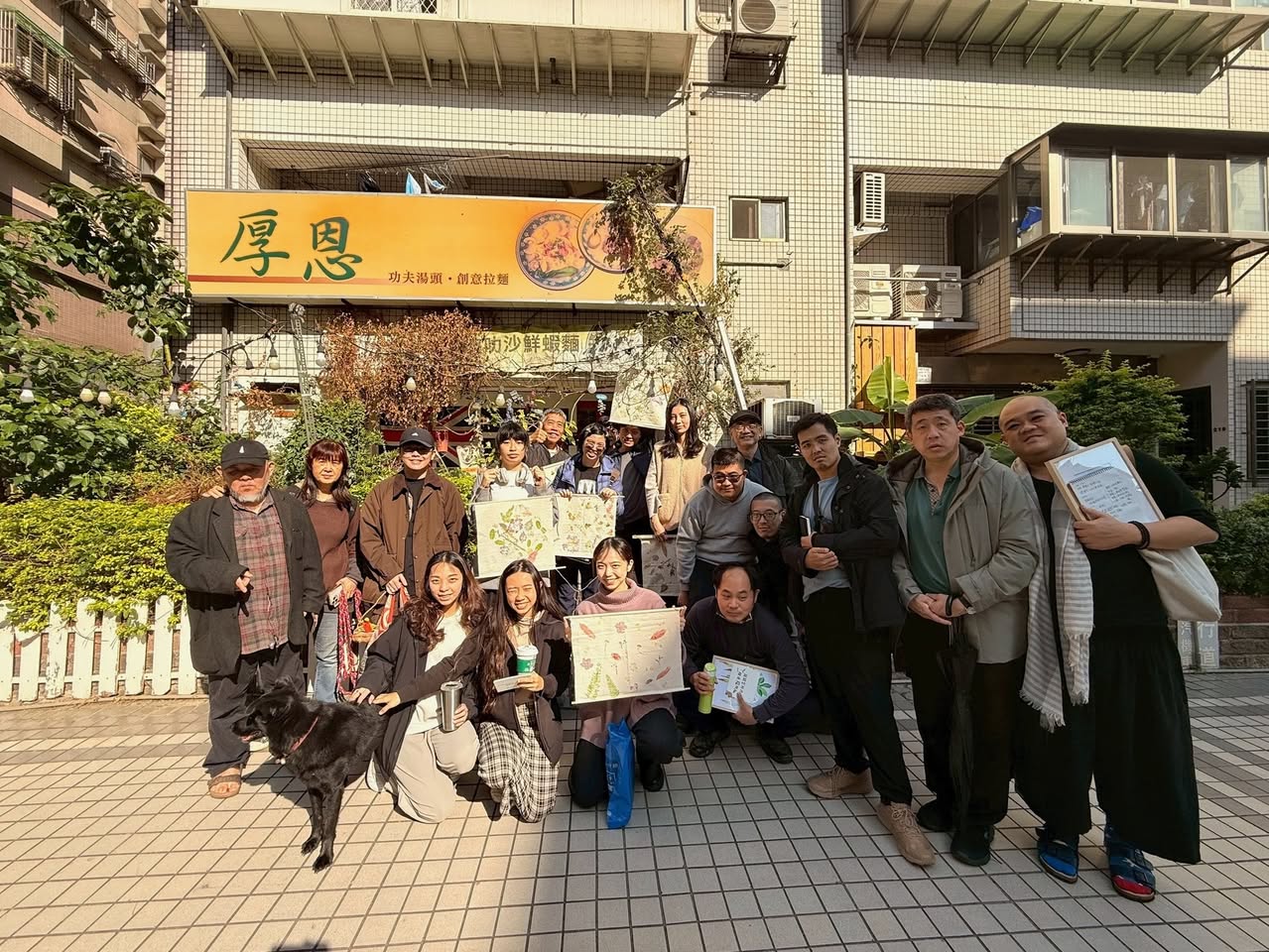
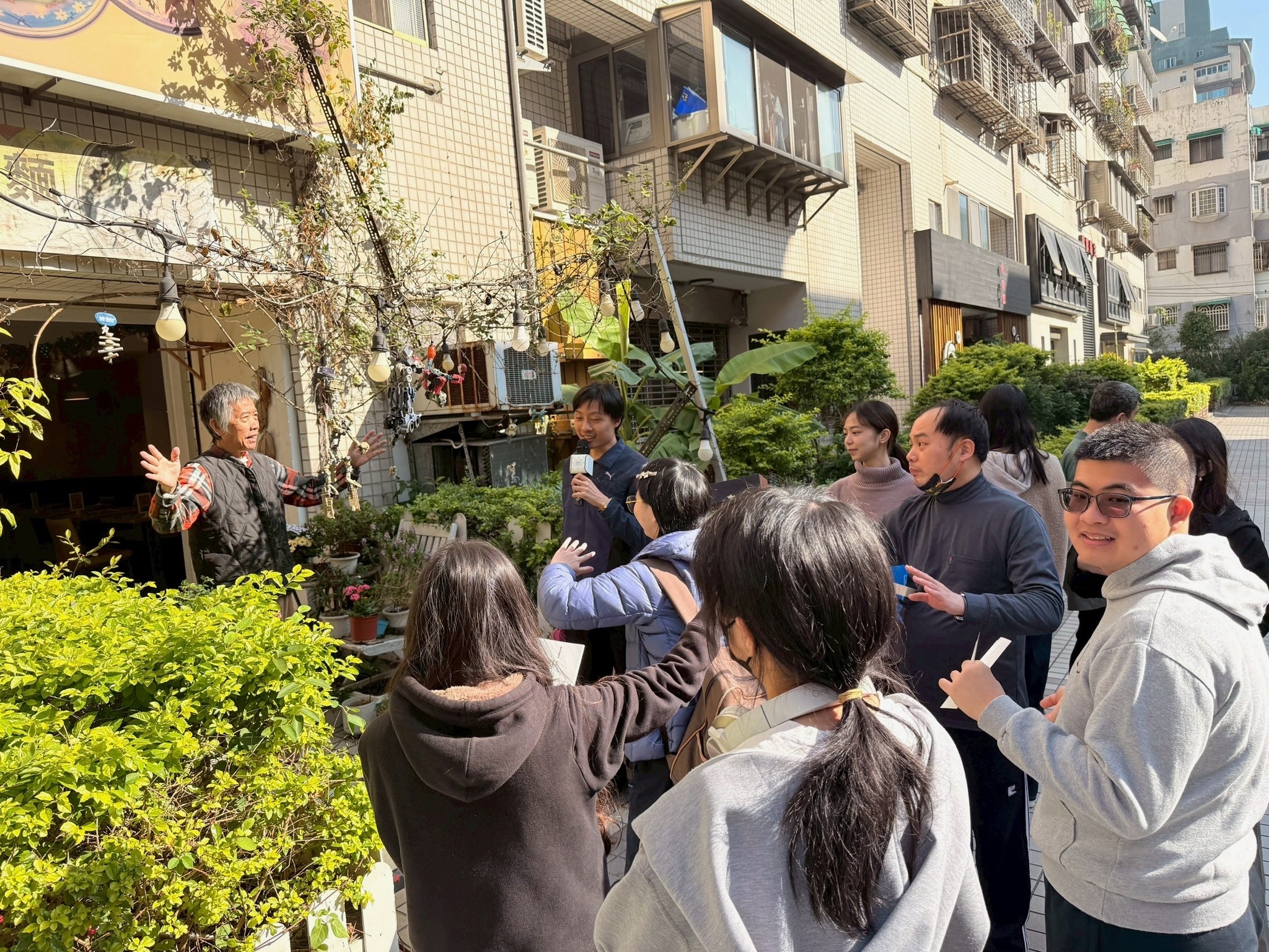
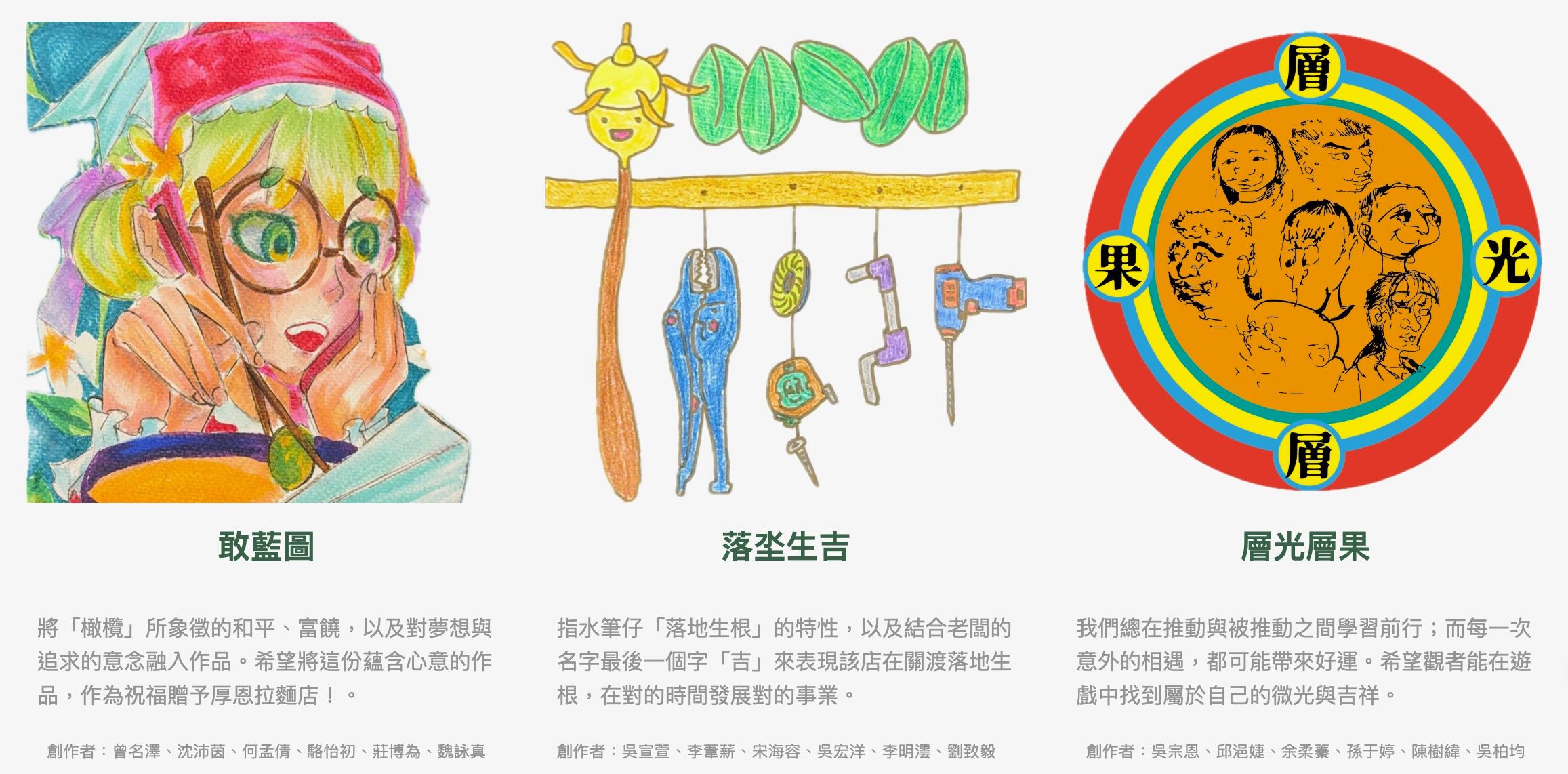
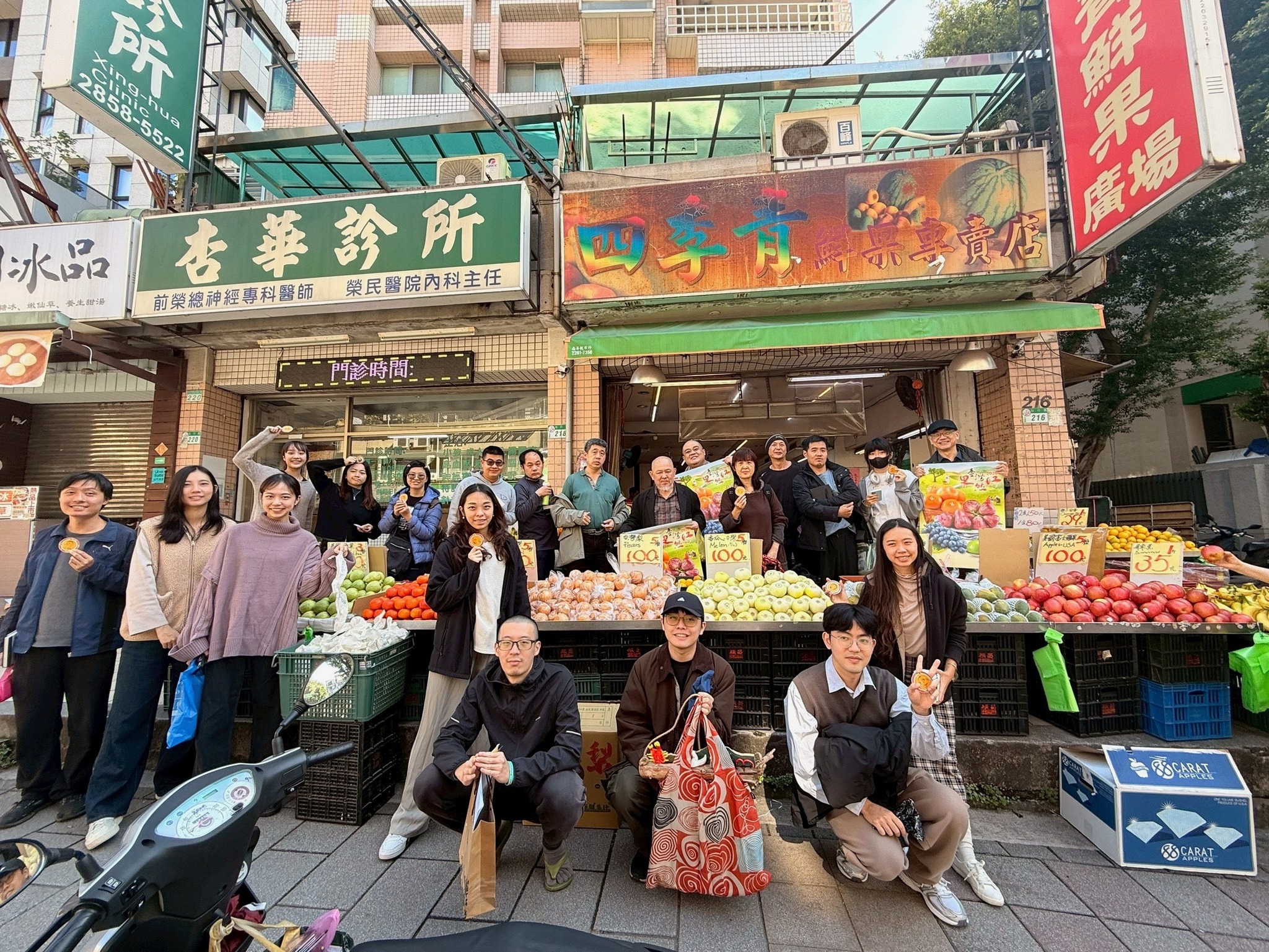
The presentation of these results, "Where Leisurely Dwells: Plants and People in Guandu," adopted a "home-based presentation" approach, with all teams visiting various locations to present their works to community members. The first group visited a ramen shop, observing the emphasis placed on the spatial atmosphere and the spirit of the cuisine. Their work, "Dare to Blueprint," uses rubbings to layer the veins of leaves, creating a natural and understated visual language that incorporates the peace, abundance, and aspirations symbolized by the olive.
The second group focused on the fruit shop owner, drawing inspiration from the fluidity of his daily sales pitches and interactions with customers. Their work, "Layered Light and Layered Fruit," centers on the physical responses to childhood games, symbolizing the freshness, diversity, and vitality of the "nine-basil" fruit, hoping that loyal customers can find their own glimmer of light and good fortune.
The third group visited a hardware store in the community to observe the space's characteristics of frequent traffic and noise. Their artwork, "Luodi Shengji," incorporates the characteristic of the "water pen" plant (a type of weed) taking root in the Guandu Wetland, combining it with the owner's name to symbolize perseverance and stable growth. The artwork's visitor bell design uses its interesting shape and clear sound to create a welcoming signal.
Through design thinking and practice, the team responded to real needs, transforming observations and community relationships into concrete and impactful design solutions, allowing learning to truly integrate into life. This year also marks the 10th anniversary of our collaboration with Duobao, hence this record.