【Artistic Retreat in Southern Taiwan: Tea Nourishes Ancient Voices】A Review of the 2015-2017 Academic Year Exchange Activities for Senior Teachers in the Kaohsiung-Pingtung Area
2026/04/23
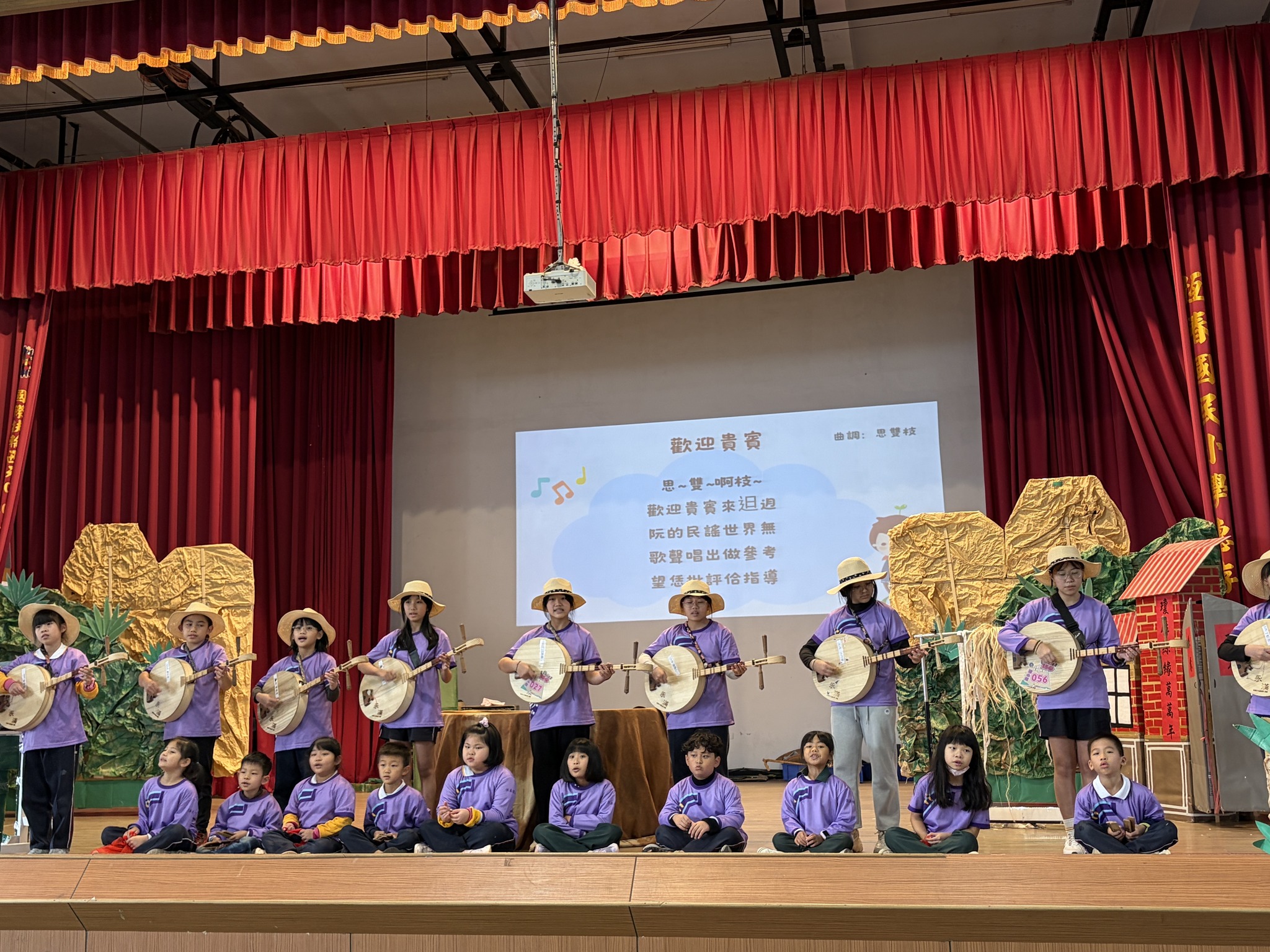
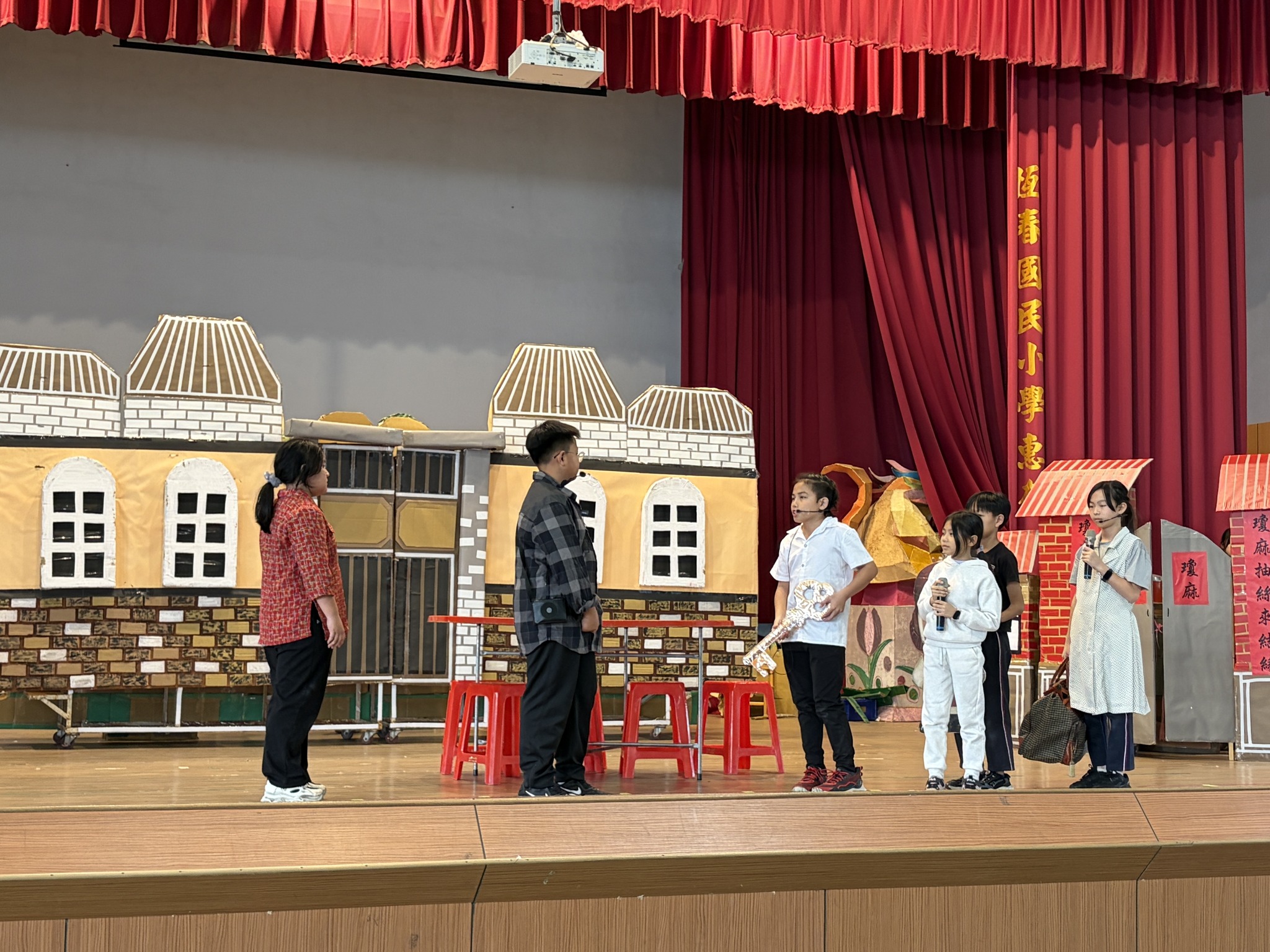
The 2015-2016 Kaohsiung-Pingtung area senior teacher exchange program was held at Hengchun Elementary School in Pingtung County on January 10-11. This school, with over a century of history, envisions itself as "a primary school where the beauty of folk songs and traditions is embodied," allowing education and the land to meet through song. The event began with students welcoming guests with Hengchun folk songs and folk dramas, followed by a stage performance showcasing Qiongma culture. Principal Zheng Hongbo also personally sang "Four Seasons of Spring," expressing his deep affection for his hometown.
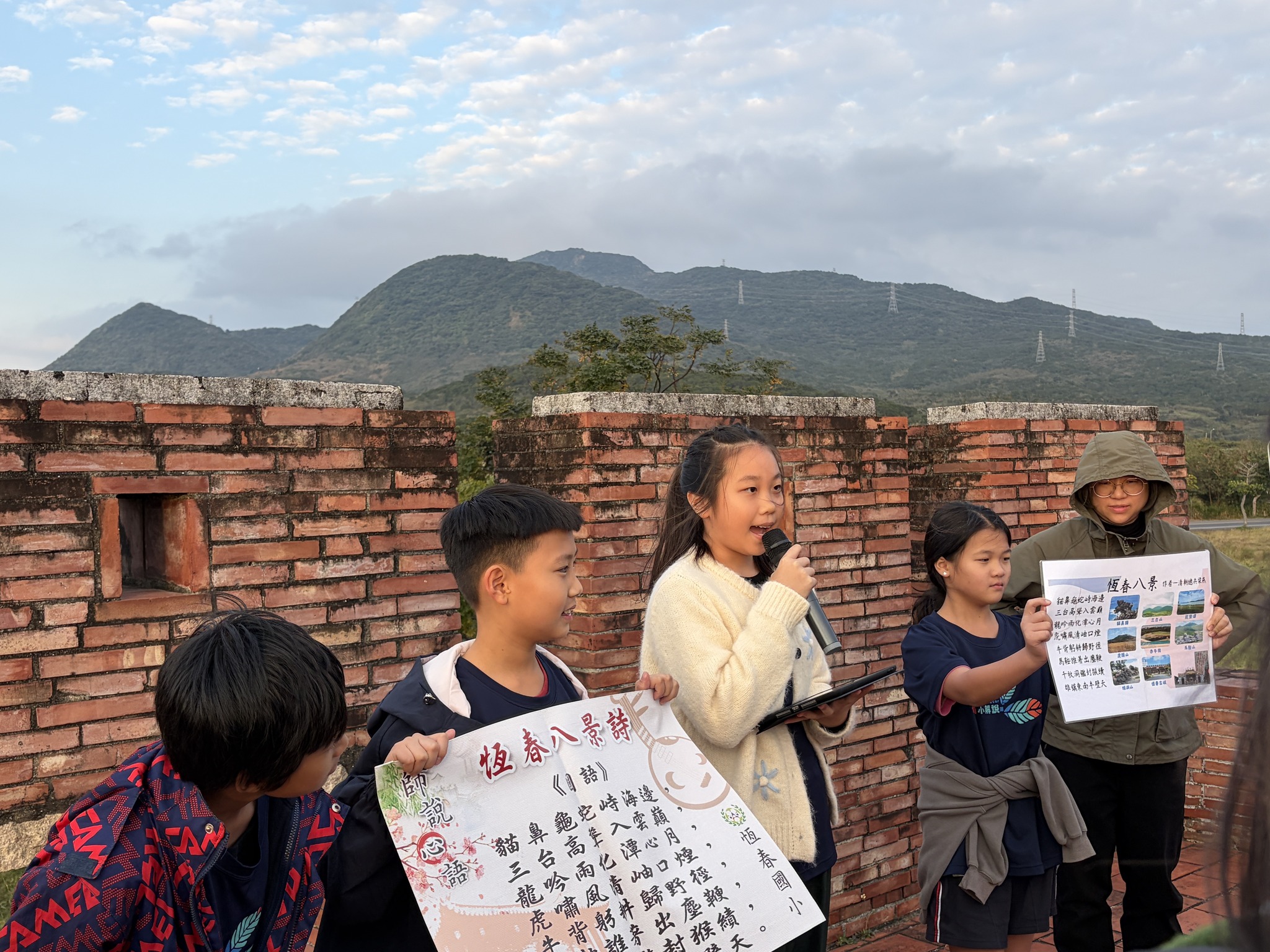
Principal Yu Zhengqi and Group Leader Lin Huishan of Hengchun Elementary School shared their interdisciplinary curriculum practice centered on the "five senses and six perceptions." From kindergarten agricultural songs to older students leading their juniors in the Peninsula Folk Song Festival, the curriculum connects local history, hemp cultivation experiences, and the SDGs (Sustainable Development Goals). Through moon lute performances, drama creation, and prop making collaboratively by teachers and students, the school gradually puts its educational vision of "land art knowledge, local art promotion, and sustainable artists" into practice. In the afternoon, student guides led teachers on a tour of Hengchun Old Town and visited the local folk song museum to enjoy performances of ancient folk songs. Through the interplay of melody and culture, students experienced the profound heritage accumulated by Hengchun's history and education.
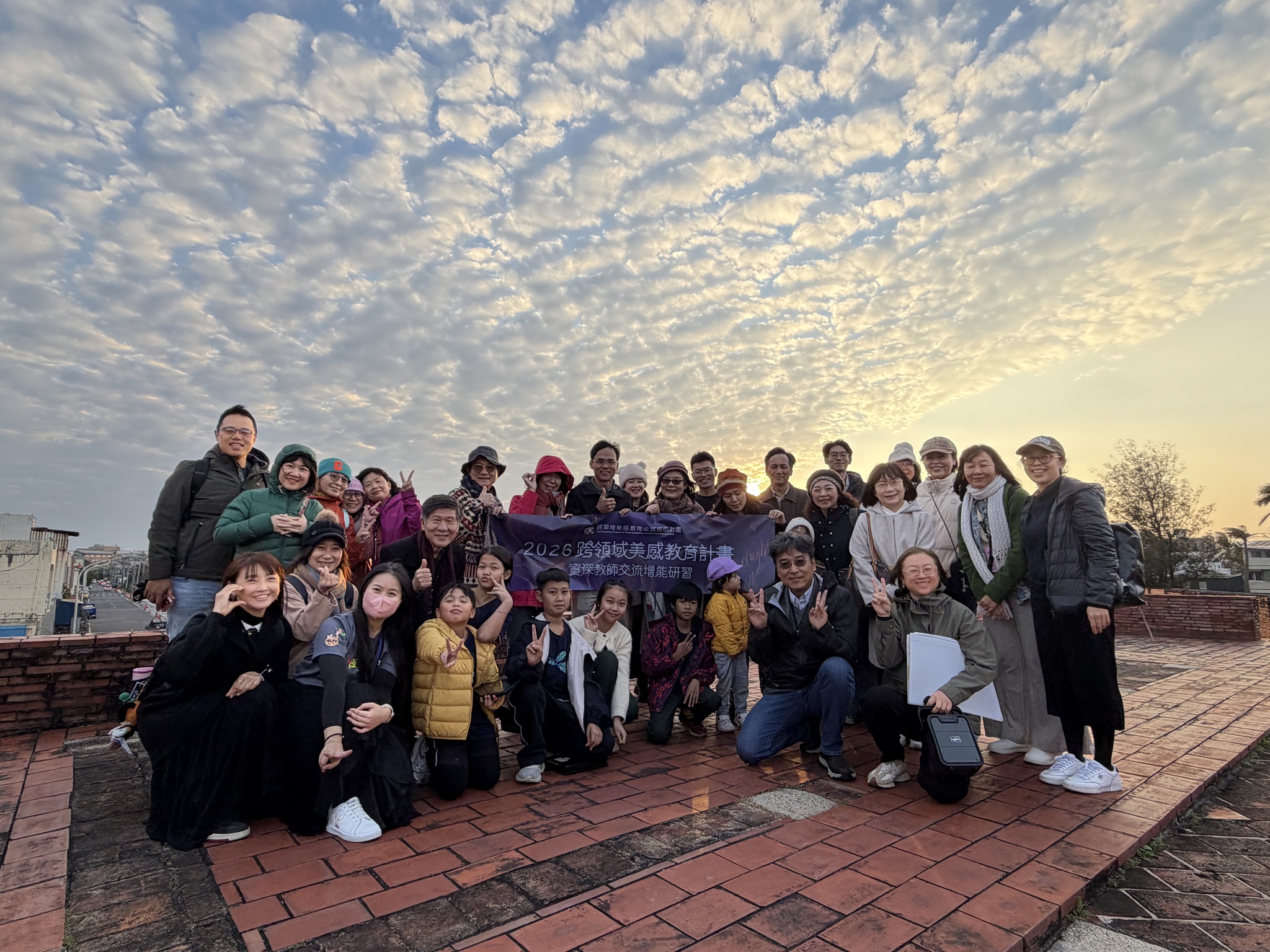
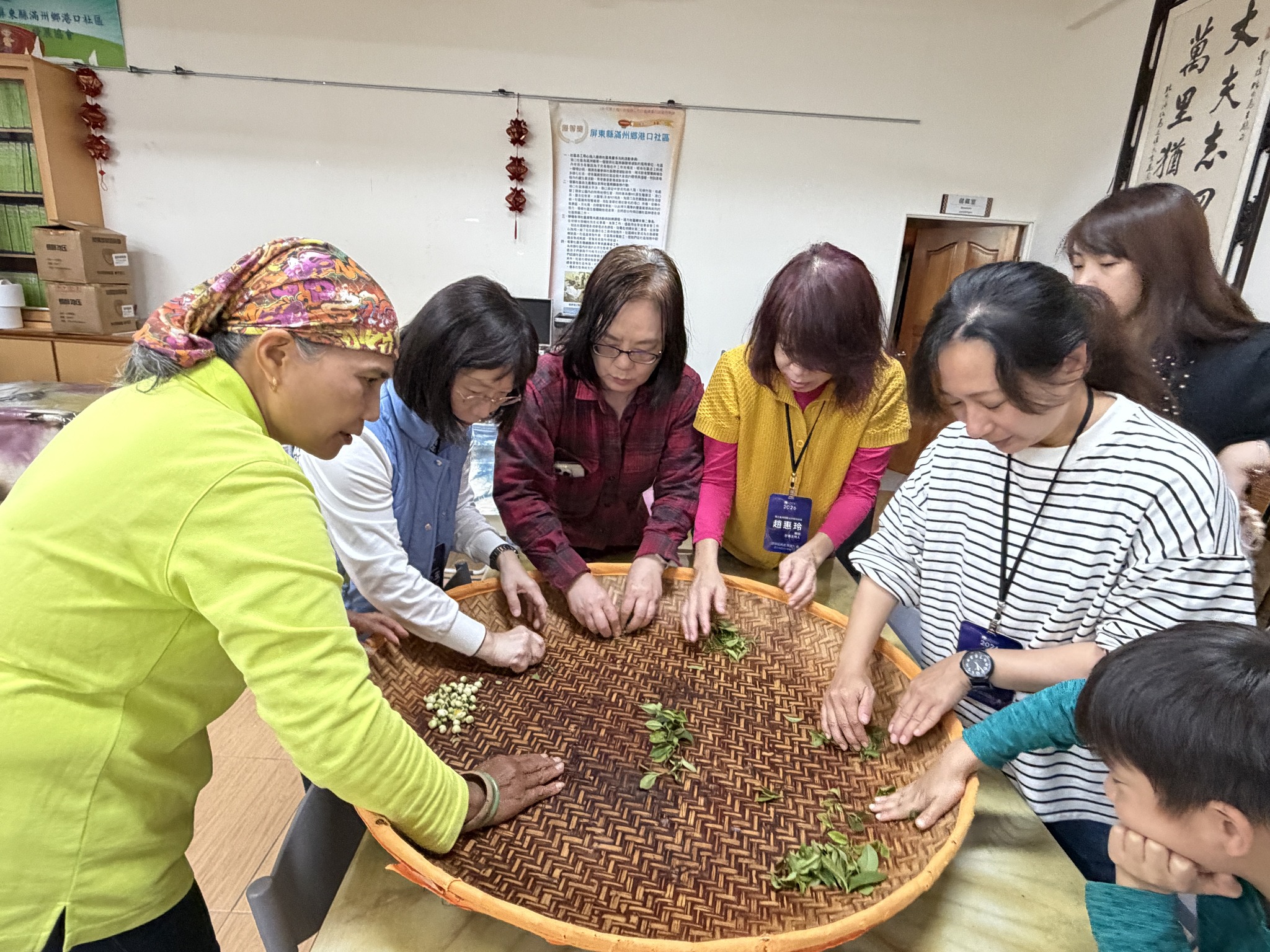
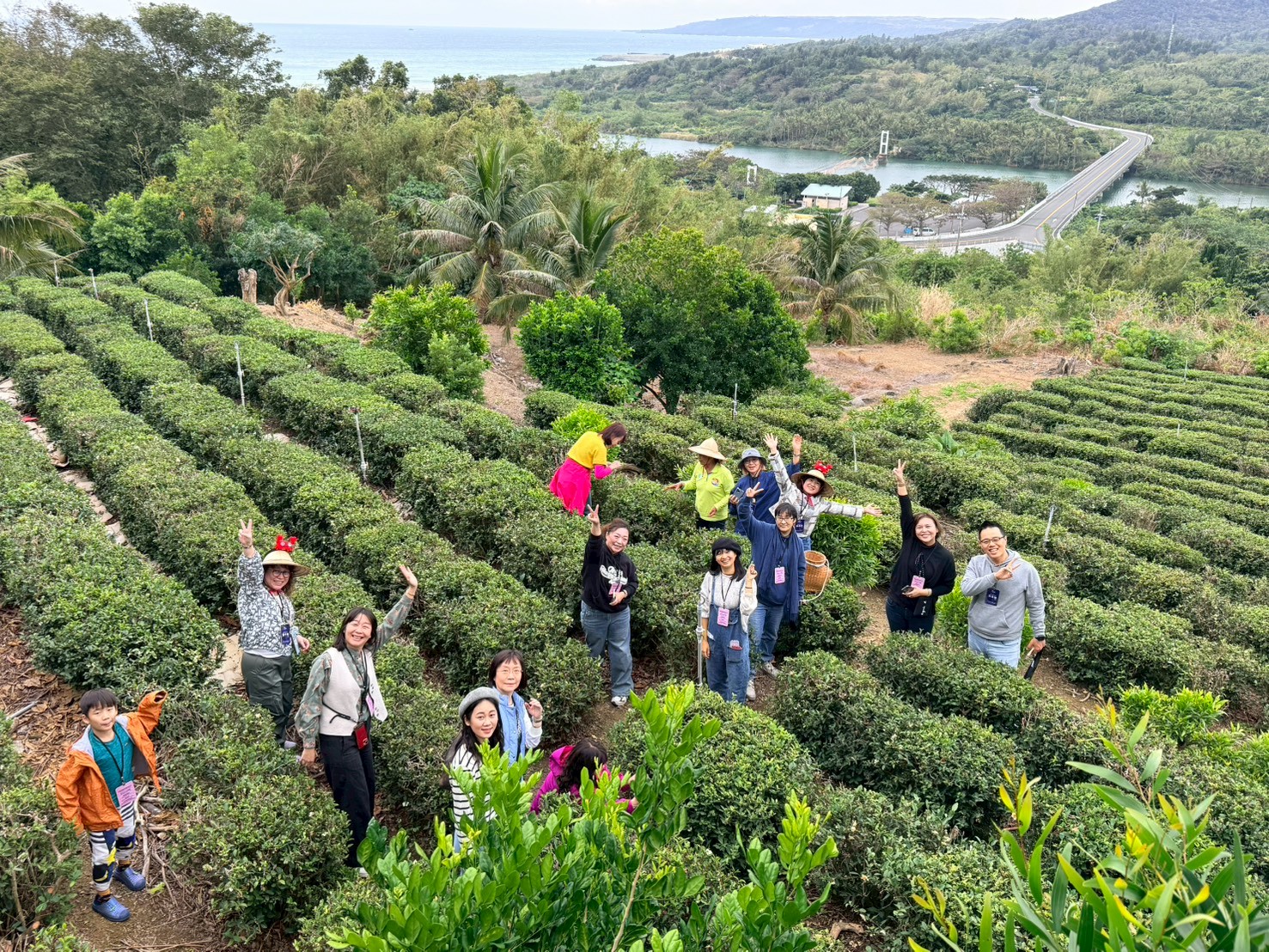
On the second day of the exchange program, the teachers explored the port settlement. The mountain winds, flowing between the mountains and the sea, mingled with the waves, filling the air with salt and shaping the unique landscape of the Hengchun Peninsula. This strong yet ever-circulating wind has also nurtured sweet onions, tea with a sea breeze, and the hemp industry that once sustained three generations. The teachers personally visited the tea gardens, searching for the "one bud and two leaves" amidst the greenery, experiencing the process of picking and processing tea. Sipping a freshly brewed tea, they felt not only the sweet aftertaste but also a profound sense of reconnection between their body and mind and the land.
The itinerary concluded with visits to the Seaview Art Museum and the Sunset Wind Art Festival. Artists used the sunset wind, the ocean, and community life as their creative vocabulary, transforming the sounds, breezes, and seascapes of the sea into installation art, allowing the waves to become narrators, telling stories of memories and daily life belonging to this land. Experienced teachers walked in the wind, pausing among the artworks, transforming these unique sensory experiences into interdisciplinary aesthetic stories that can be sustainably extended in future teaching, allowing aesthetic education to continue to resonate within this land.