Event Notes | Aesthetics x 𝗦𝗘𝗟: More Than Just Emotional Education, It's Practicing "Fairness and Inclusion"
2026/04/23
What sparks will fly when "aesthetic education" meets "SEL (Social and Emotional Learning)"?
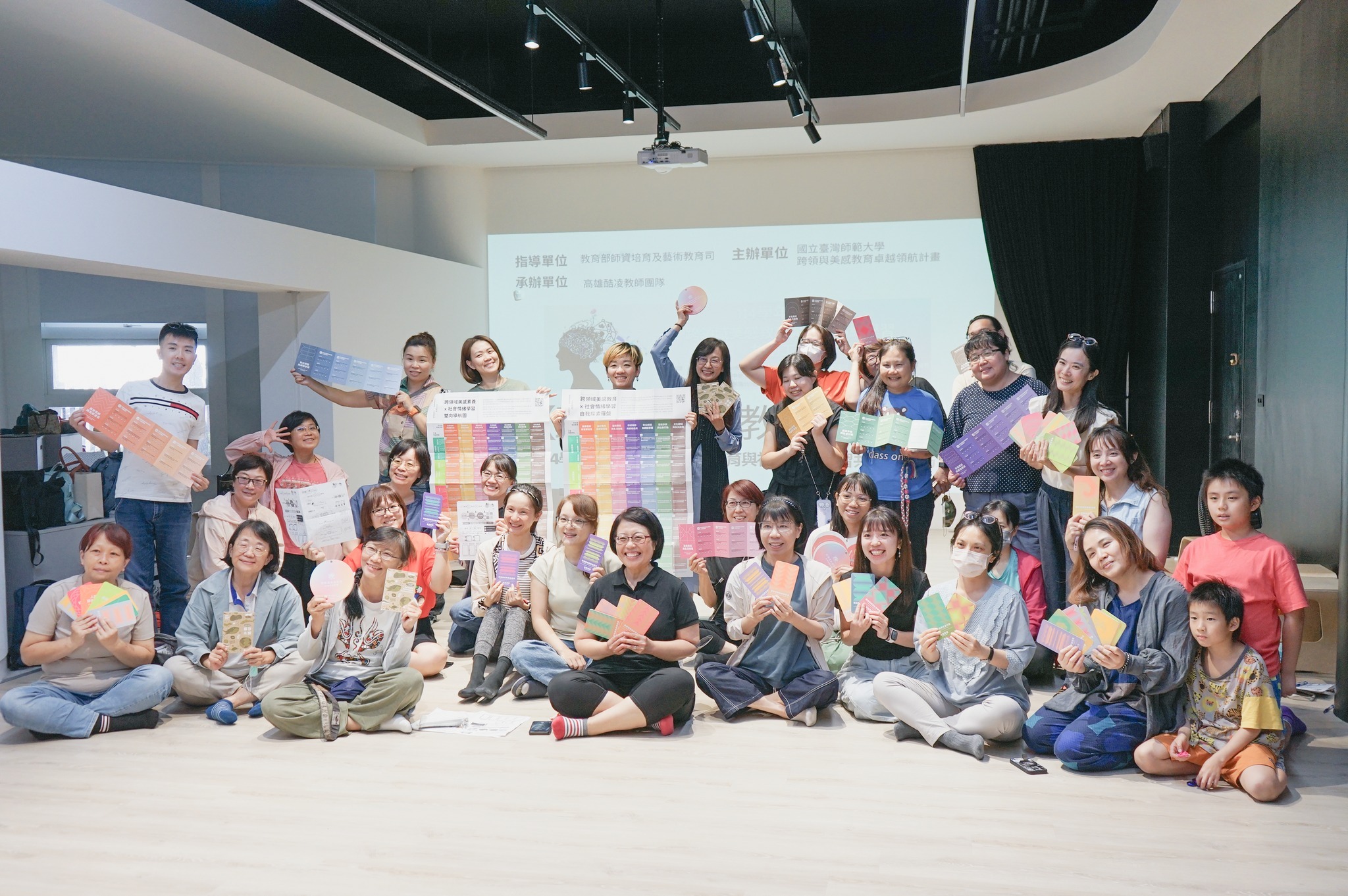
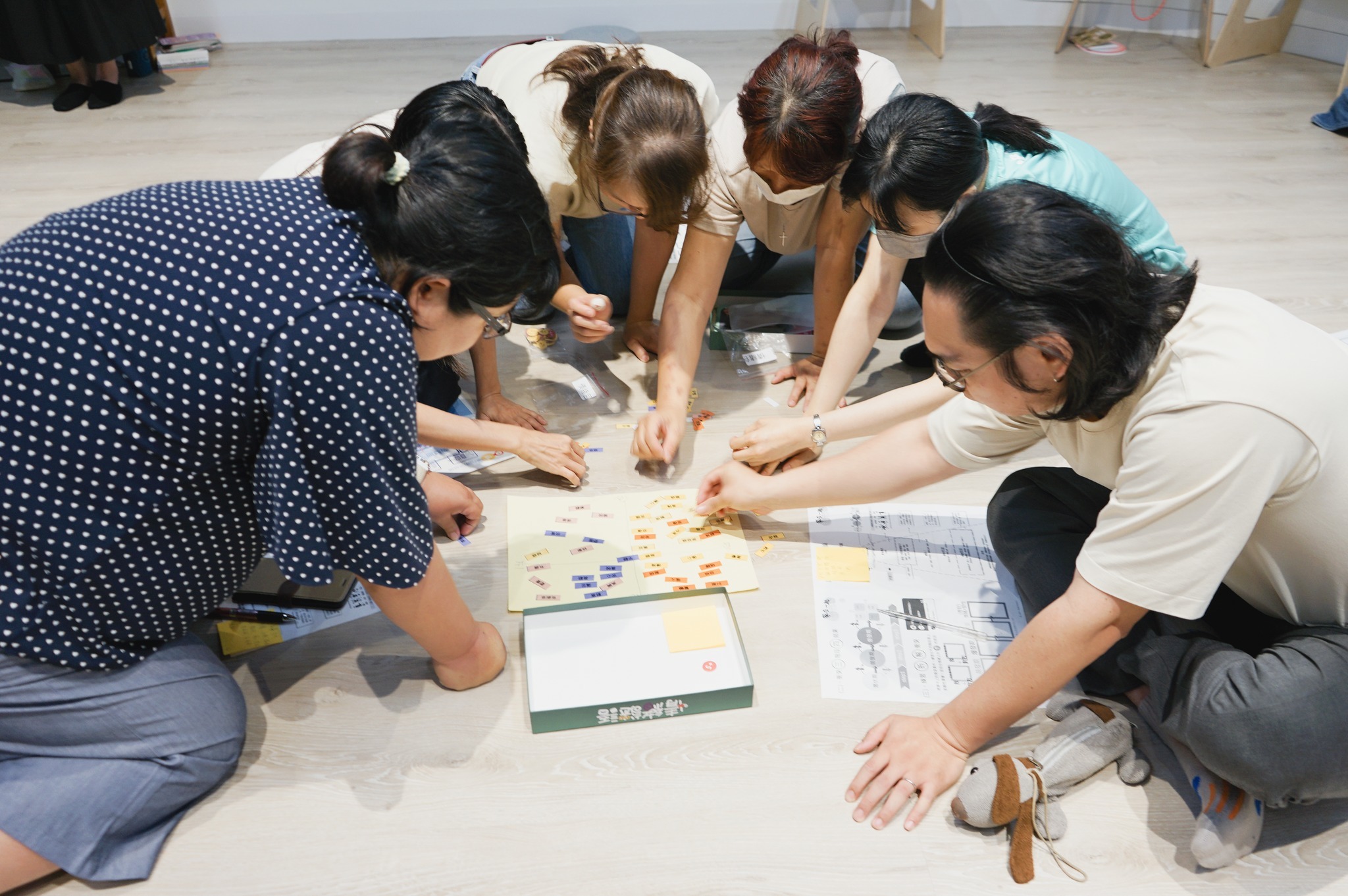
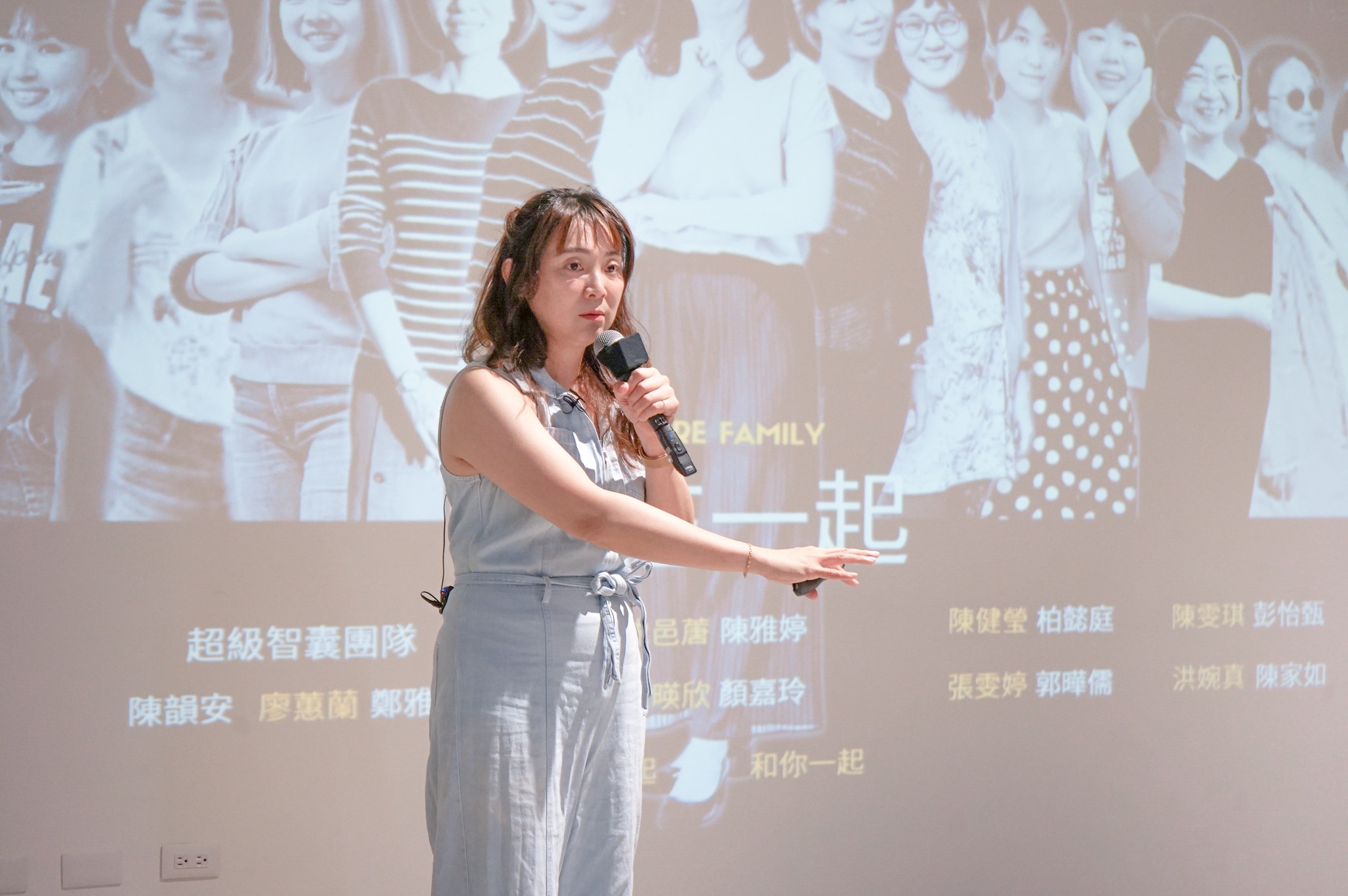
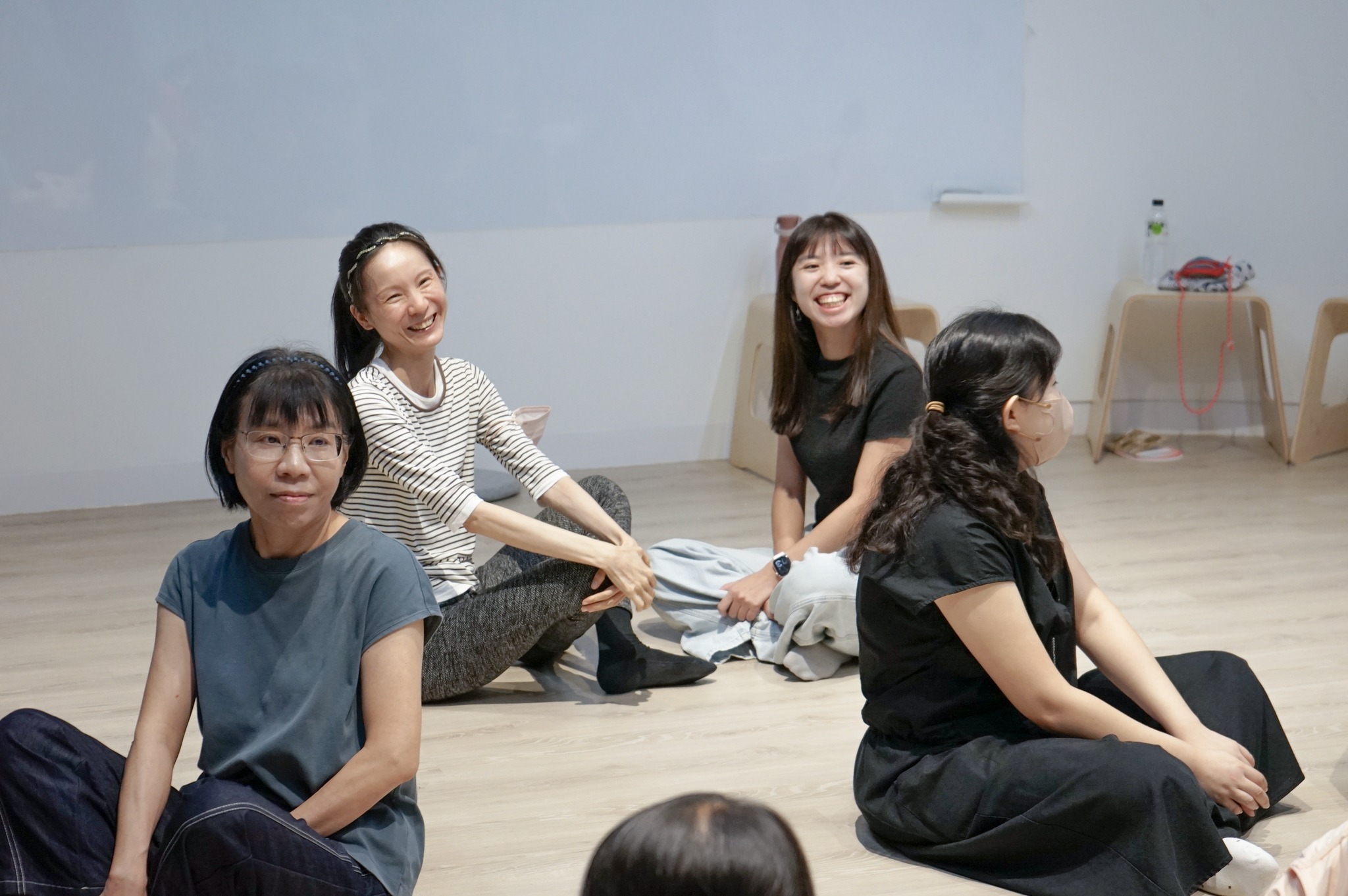
The 2015-2017 Southern District "Interdisciplinary Aesthetic Education and Social-Emotional Learning Co-creation Workshop" has successfully concluded. This was not only a transmission of theory, but also an in-depth dialogue about the original intention of education.
SEL (Self-Emotional Education) is not just about emotional education, but about "becoming a better person".
Led by Associate Professor Chen Yunwen, the co-host of this project, the theoretical analysis delves into the core meaning of SEL: it's not just about positive thinking, nor is it merely about making oneself feel comfortable. The five core competencies of SEL—self-awareness, self-management, social awareness, interpersonal interaction, and responsible decision-making—ultimately aim to: "enable students to shorten the time spent feeling troubled, transforming it into actions that treat others kindly, and moving towards the goals of fairness, inclusion, and mutual benefit."
When we align with core values, we make our courses more meaningful. We not only impart knowledge, but also guide students to consider others, making the world a little warmer because of our shared existence.
Rethinking "Fairness": Providing Students with the Support They Really Need
This workshop emphasized that "fairness is not about giving everyone the same thing, but about providing appropriate support according to different needs." Through diverse media in aesthetic education, students from different backgrounds can be reached, seen, and understood.
Seeing the needs beneath the iceberg
Behind behavioral problems often lies an emotional cry for help. In the safe space of the aesthetics course, the instructor of this workshop, Ms. Shen Yitang from Fengshan Junior High School in Kaohsiung City, used courses related to the Cooling Project to help students learn self-awareness and to make teachers the most stable support force for students.
Thanks to the dedication of our aesthetic partners in the Southern Taiwan region, and to the participating teachers from Taichung, Chiayi, Tainan, Kaohsiung, and Pingtung. Finally, the "Self-Exploration Compass," "Two-Way Navigation Map," and "Navigation Cards," teaching materials jointly developed by Associate Professor Chen Yun-wen and teacher Lai Yu-hsuan from Neili High School, were introduced and made their first public appearance. This brought the entire event to a meaningful close and opened up more possibilities and extensions for future teaching applications. Education is not just about transmitting knowledge, but also about teachers and students jointly encountering a more complete version of themselves.