Interdisciplinary Aesthetics Project × Teacher Training Committee Special Issue 17 | Art Integration: Teaching Practices of Interdisciplinary Aesthetics and Local Collaboration
2026/04/23
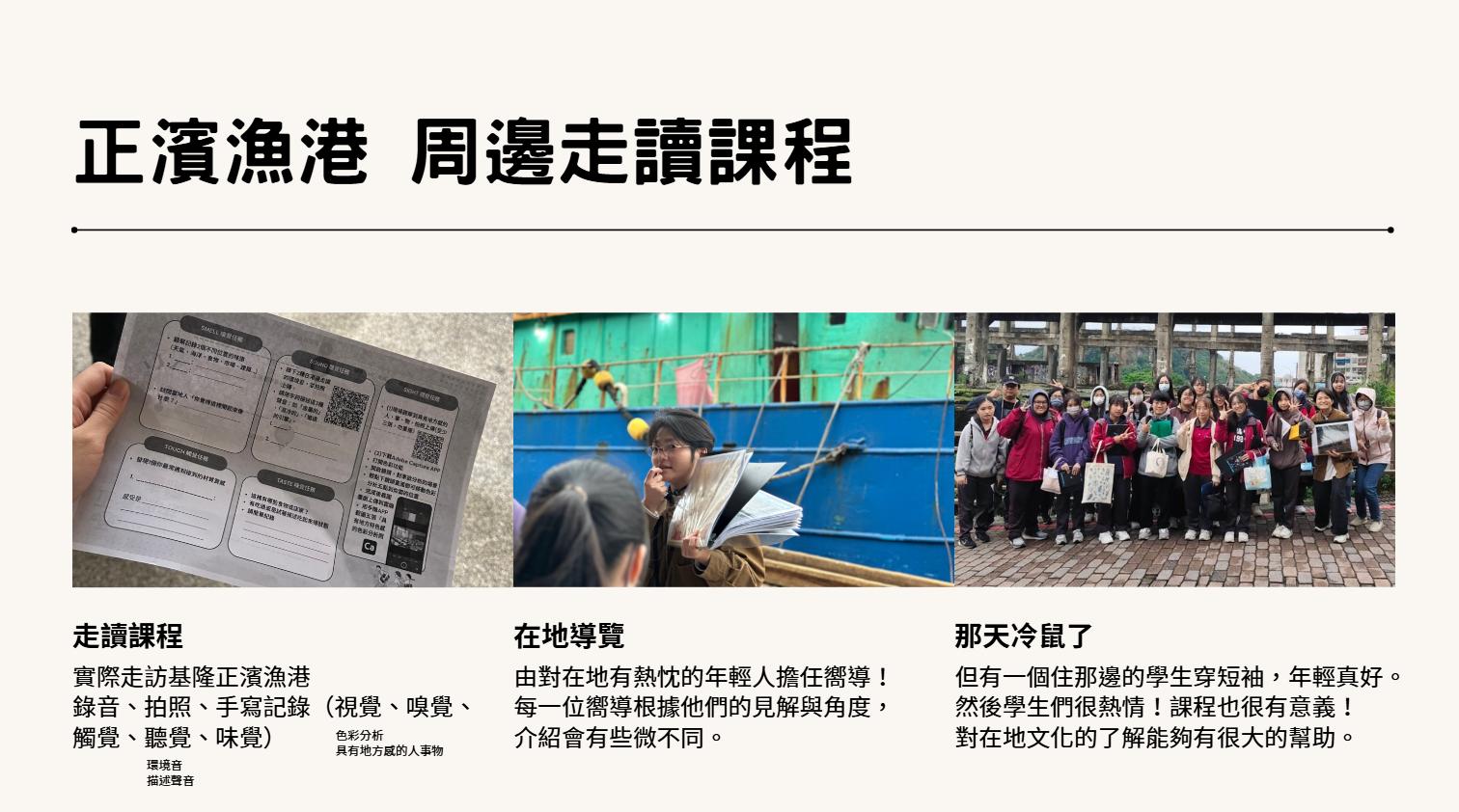
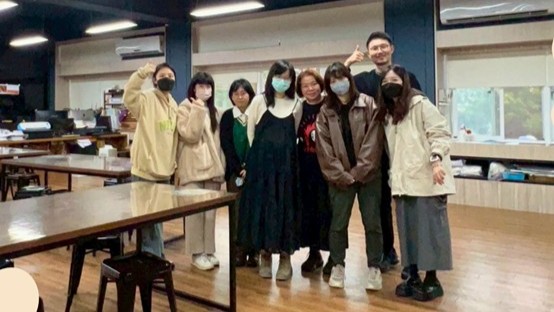
Art integration is a concept that uses art as its core to construct meaningful conceptual connections and integrate learning experiences between art and other disciplines. Art integration emphasizes using thematic exploration or contextualized questions to make artistic expression and appreciation an important means of constructing knowledge, understanding issues, and engaging in practice. This year, the National Taiwan University of Arts collaborated with teachers Lin Hung-wei from National Keelung Girls' High School, Chen Yu-an from Taipei Municipal Datong High School, and Su Yu-han from New Taipei Municipal Shiding High School to implement the USR (University for Arts and Social Responsibility) project. The collaboration between students from the Department of Arts Education at the National Taiwan University of Arts and teachers and students from the three schools connected the surrounding cultural and natural landscapes and industrial resources to conduct art integration and interdisciplinary aesthetic teaching practices. Teacher Lin Hung-wei has long been deeply involved in the local culture and geography of Keelung, promoting students' local identity and sense of place through local exploration and aesthetic creation. Teacher Chen Yu-an, in collaboration with English and Chinese teachers, focused on international education, promoting students' language, international perspective, and design aesthetics through handbook design and exploration of neighborhood culture. Teacher Su Yu-Han integrated the tea industry and local culture of Shiding into her art courses, using activities such as industry surveys and packaging design to enhance students' creative thinking and aesthetic literacy.
Through this USR (Universal Social Responsibility) project, which integrates art and interdisciplinary local practice, students will enhance their artistic appreciation and interdisciplinary literacy through diverse learning strategies in real-world contexts. Thanks to the project team members, we can become seeds that connect the community and link local cultural characteristics.