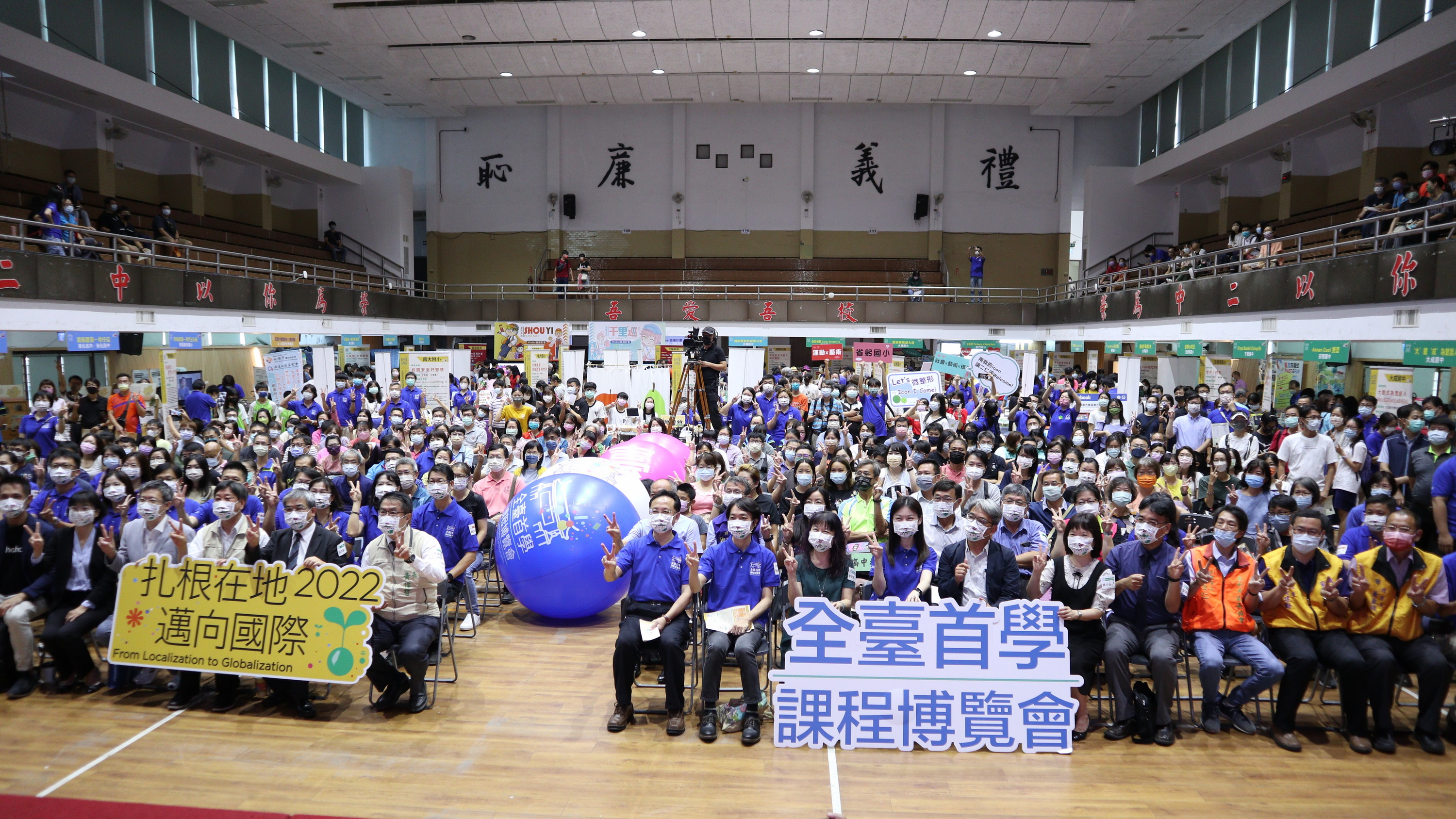
Interdisciplinary Aesthetics Project × Teacher Training Committee Special Issue | SEL Theme Integration Workshop - Aaudible Relationships: Awareness and Connection in Music Therapy
2026/11/09
Music, as another language for experiencing oneself, understanding others, and building relationships, can profoundly facilitate a dialogue on a spiritual level.
Through impromptu interactions, one can also experience emotions and connections that are not usually perceived.
This course, taught by Associate Professor Huang Ching-fang from the Department of Music at National Tainan University, will guide everyone into the wonderful world of non-verbal communication.
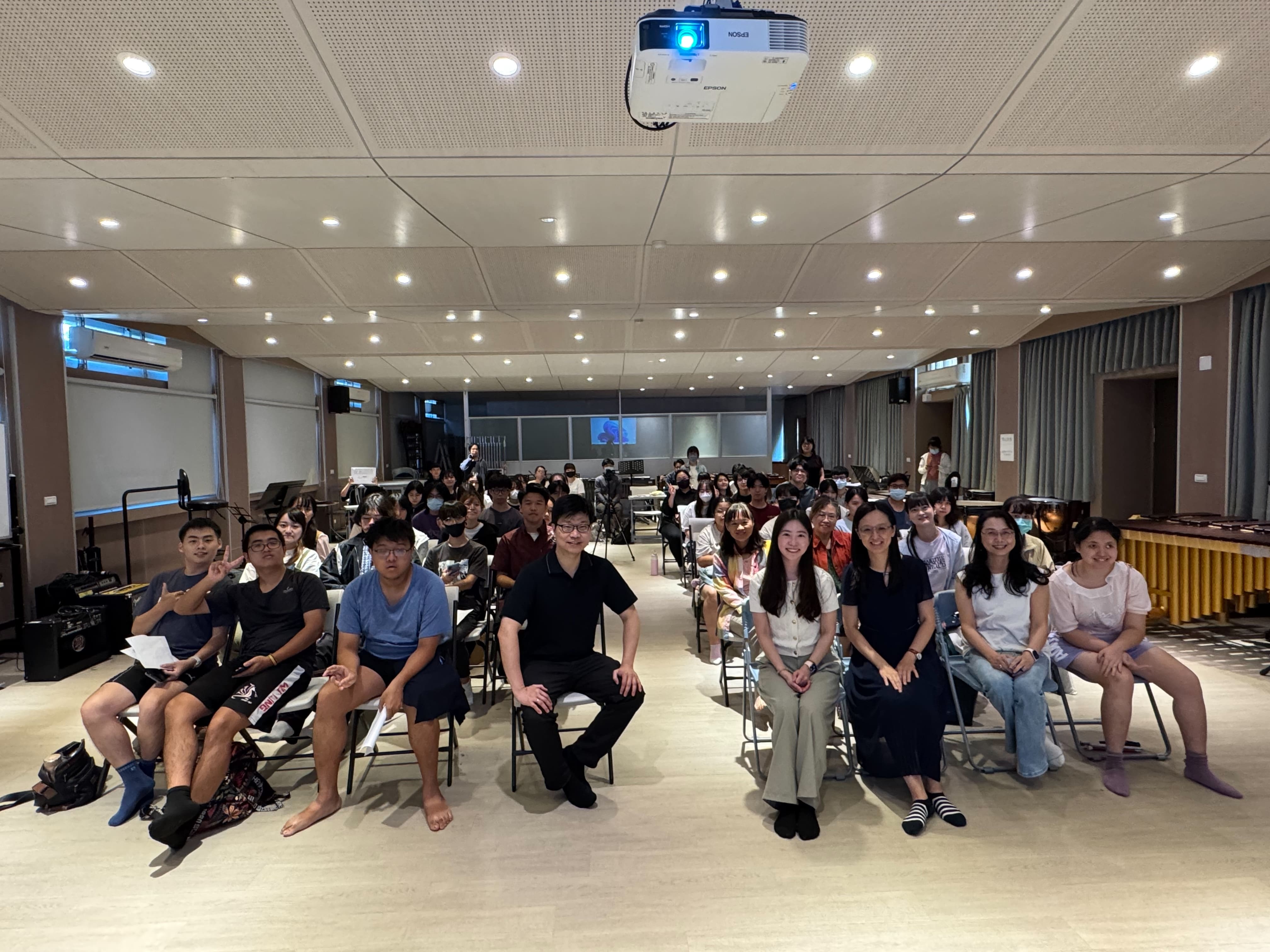
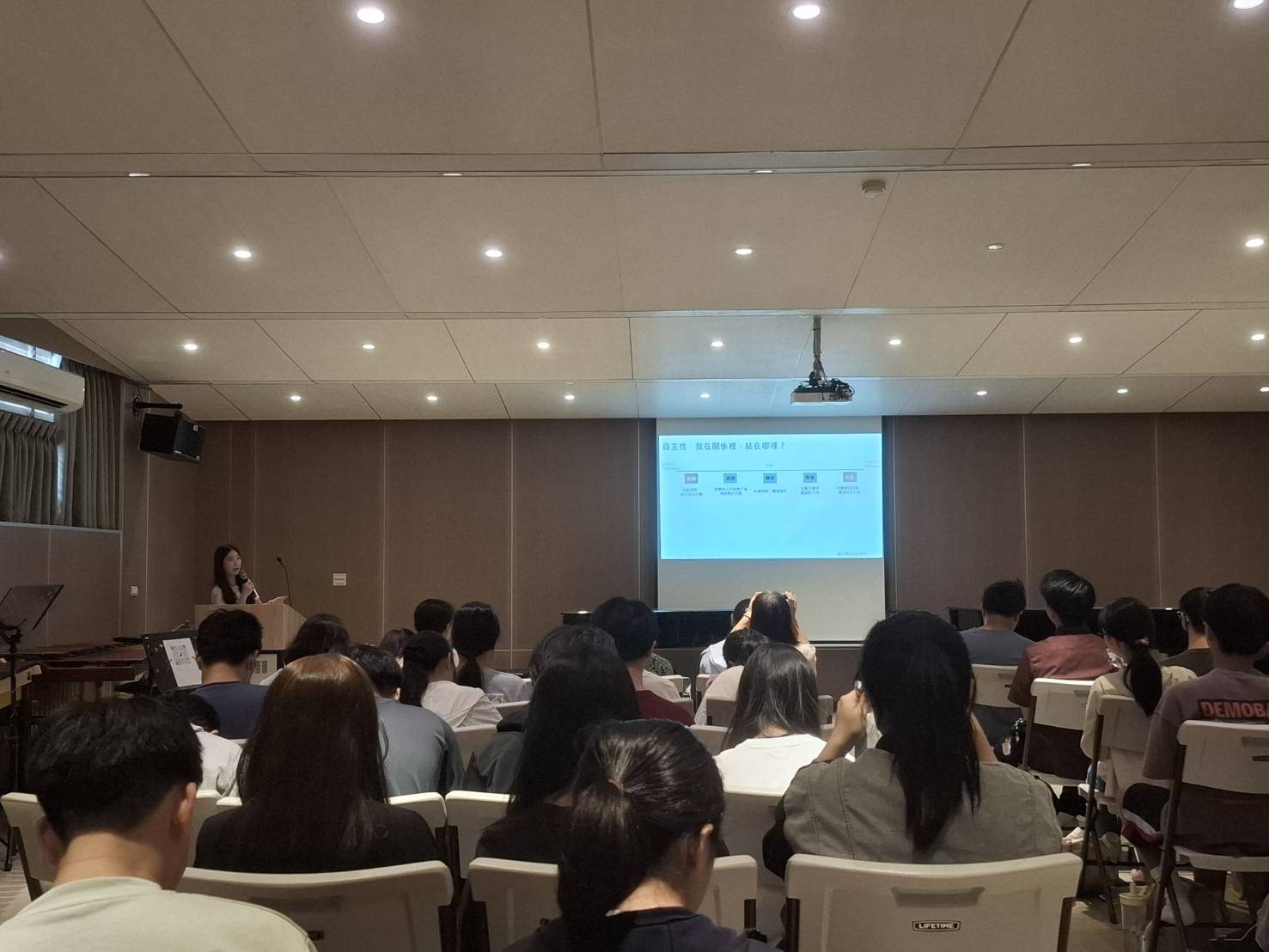
On November 4, 2026, the Department of Music at National Tainan University held a lecture entitled "A Relationship That Can Be Heard: Awareness and Connection in Music Therapy." The lecturer invited Huang Hsuan-Huang, a music therapist from National Cheng Kung University Hospital, to lead the faculty and students in recognizing different aspects of music from the perspective of music therapy, and to become aware of themselves, hear others, and build connections through improvisation.
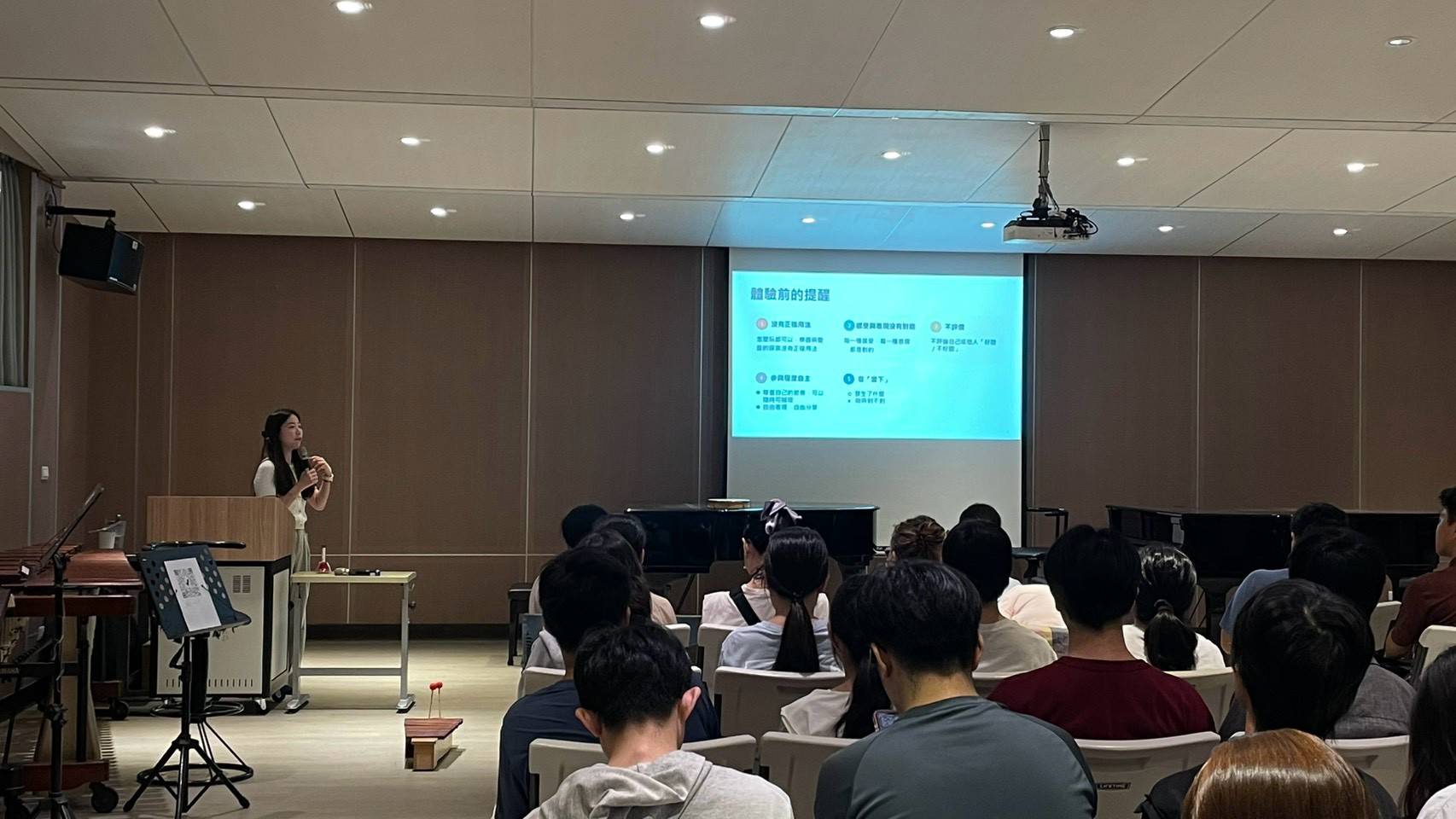
Lecturer Huang began by posing the question, "What does music mean to you?", guiding everyone to rethink the role music plays in their lives and the real feelings that sound brings them.
In a languageless setting, students engage in multi-layered sound interactions through musical instruments, experiencing the tacit understanding between varying volume and intensity of sound. Through the interactive process of taking turns striking the instruments, they also discover their most authentic interpersonal habits within a group.
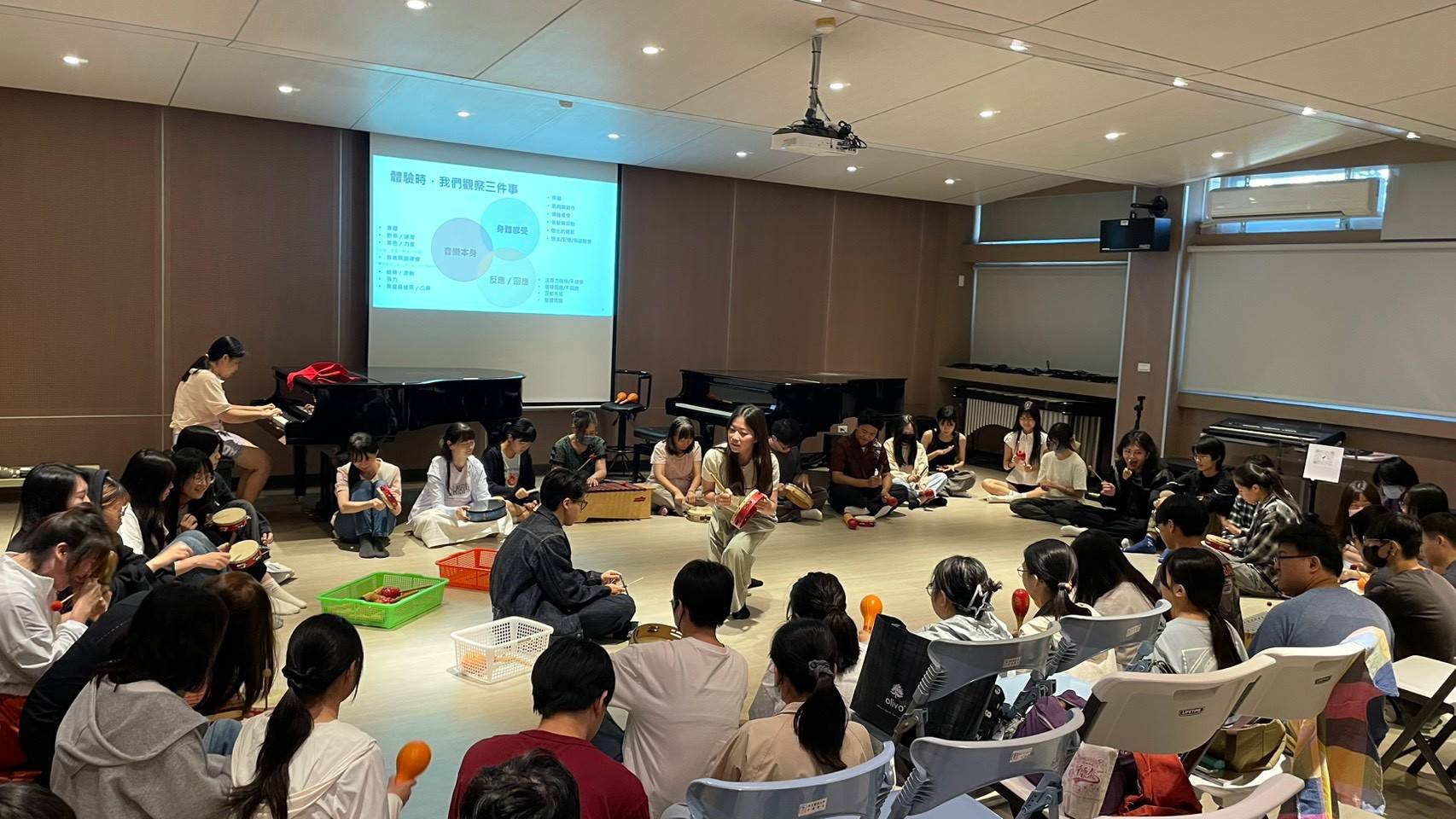
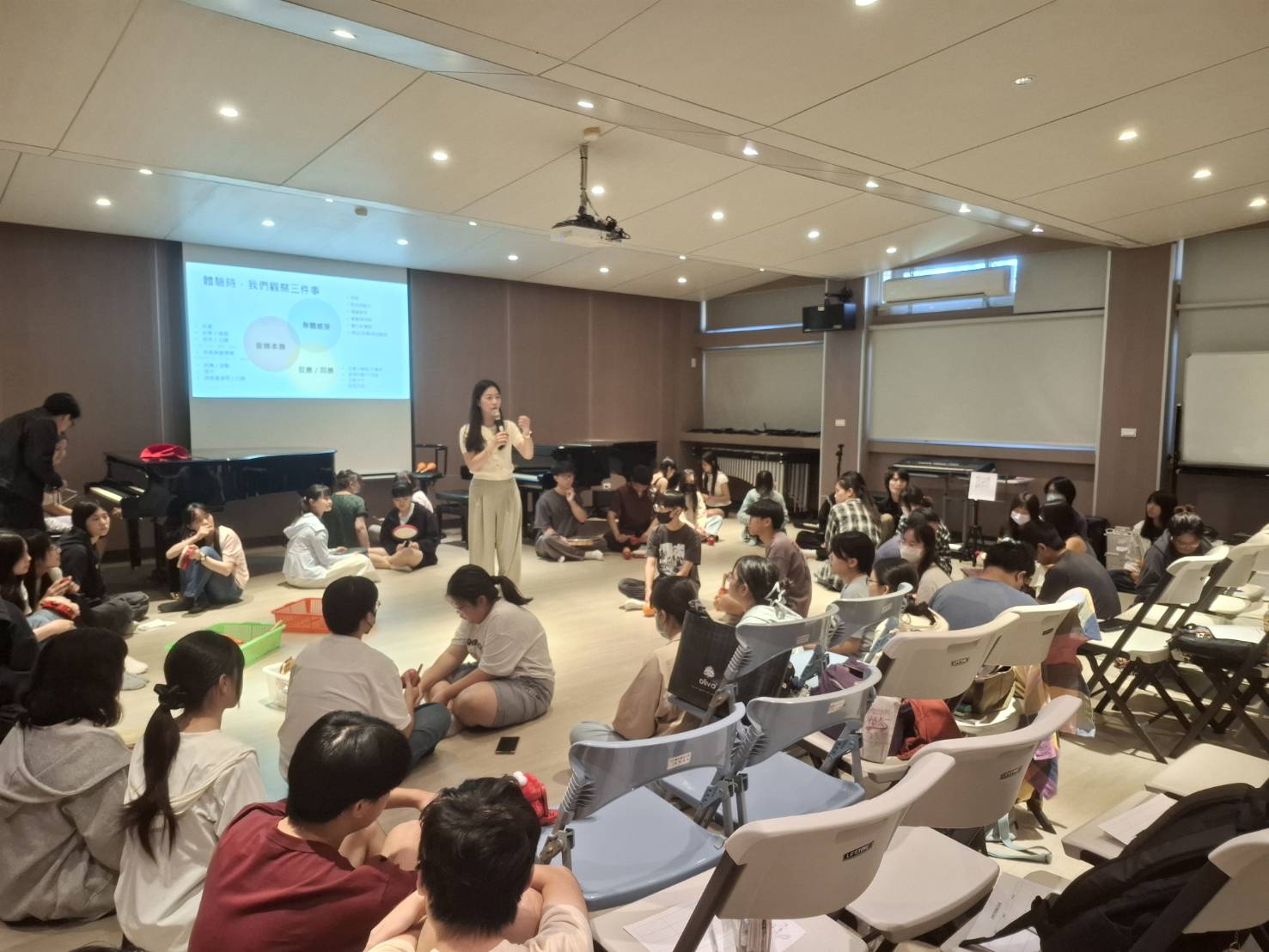
During the awareness analysis session, Lecturer Huang further explained that the tension and texture of the voice affect the body and mind's response, while impromptu sound dialogue reflects an individual's role in the relationship. A stable rhythm is like an anchor, providing each other with a sense of security and support in non-verbal communication.
Lecturer Huang also shared that when accompanying elderly people in bed in the ward, the simple tapping of a maracas can become a safe emotional container, accommodating unspoken loneliness and loss, allowing people to rediscover freedom and understanding. From on-site interaction to clinical stories,
The core message of what Lecturer Huang conveyed was not that music was simply for stress relief, but rather that music could be used to build genuine empathy and connection.
This lecture led the teachers and students in the audience to see the essence of music beyond performance techniques, and it is hoped that this delicate awareness can be brought into life and campus in the future, becoming a warm force that can deeply understand and accept others.