114th Academic Year New Taipei-Keelung-Yilan District Cooperative School Achievement Sharing Meeting
2026/06/29
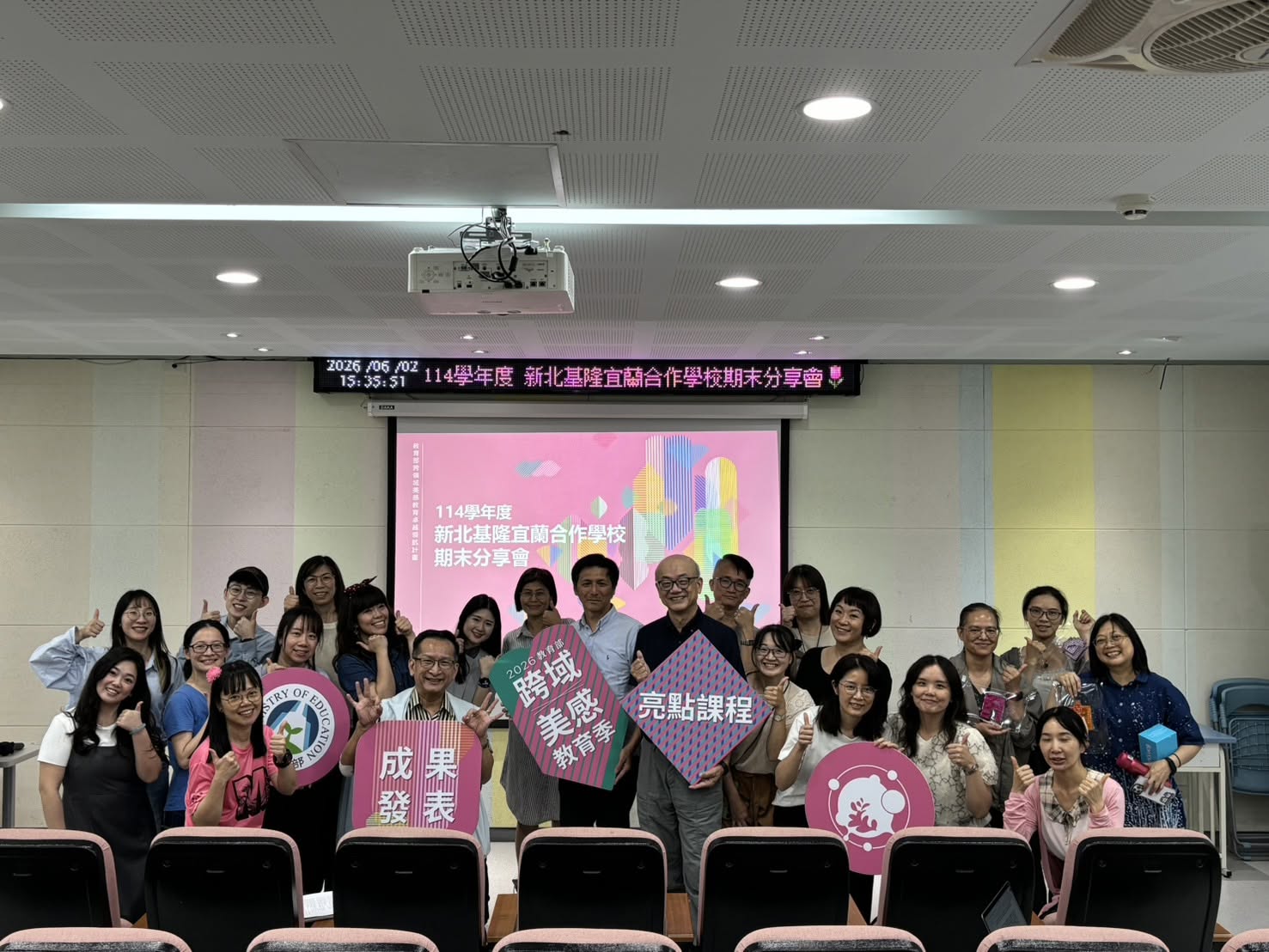
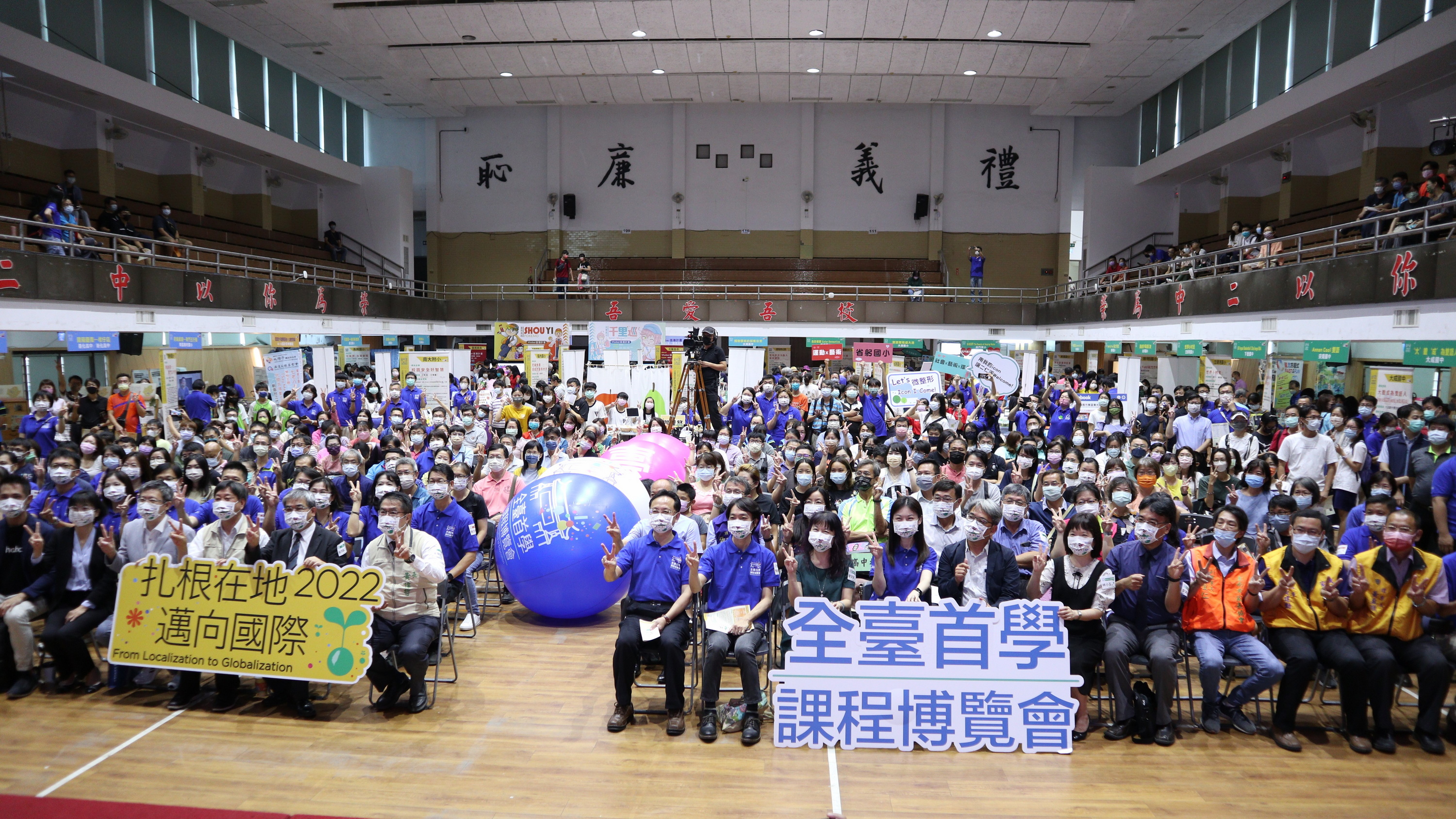
The 2025-2026 academic year's end-of-term sharing session for cooperative schools in the New Taipei, Keelung, and Yilan areas was held at Banqiao Zhongshan Elementary School. Sixteen schools gathered to share their interdisciplinary aesthetic curriculum outcomes, which integrates Sustainable Development Goals (SDGs), Social-Emotional Learning (SEL), international issues, and local culture. The event was hosted by Professor Chen Chun-di, the project co-host. Teacher training committee members Professor Chang Yu-shan, Assistant Professor Chen Chun-wen, and Assistant Professor Chen Hsin-heng provided feedback on the curriculum. Principal Chen Hsueh-tien of Banqiao Zhongshan Elementary School also attended the event to extend his greetings.
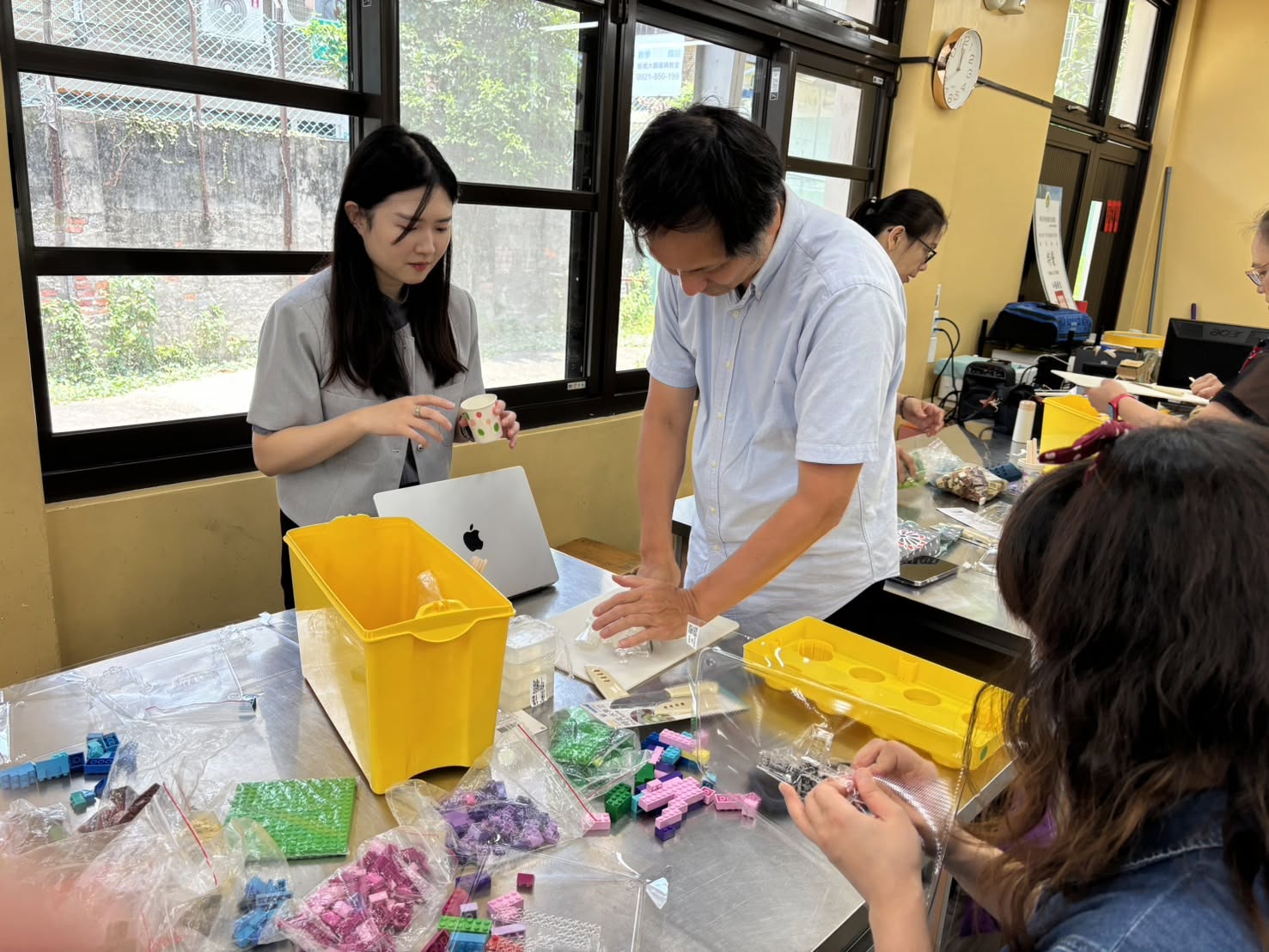
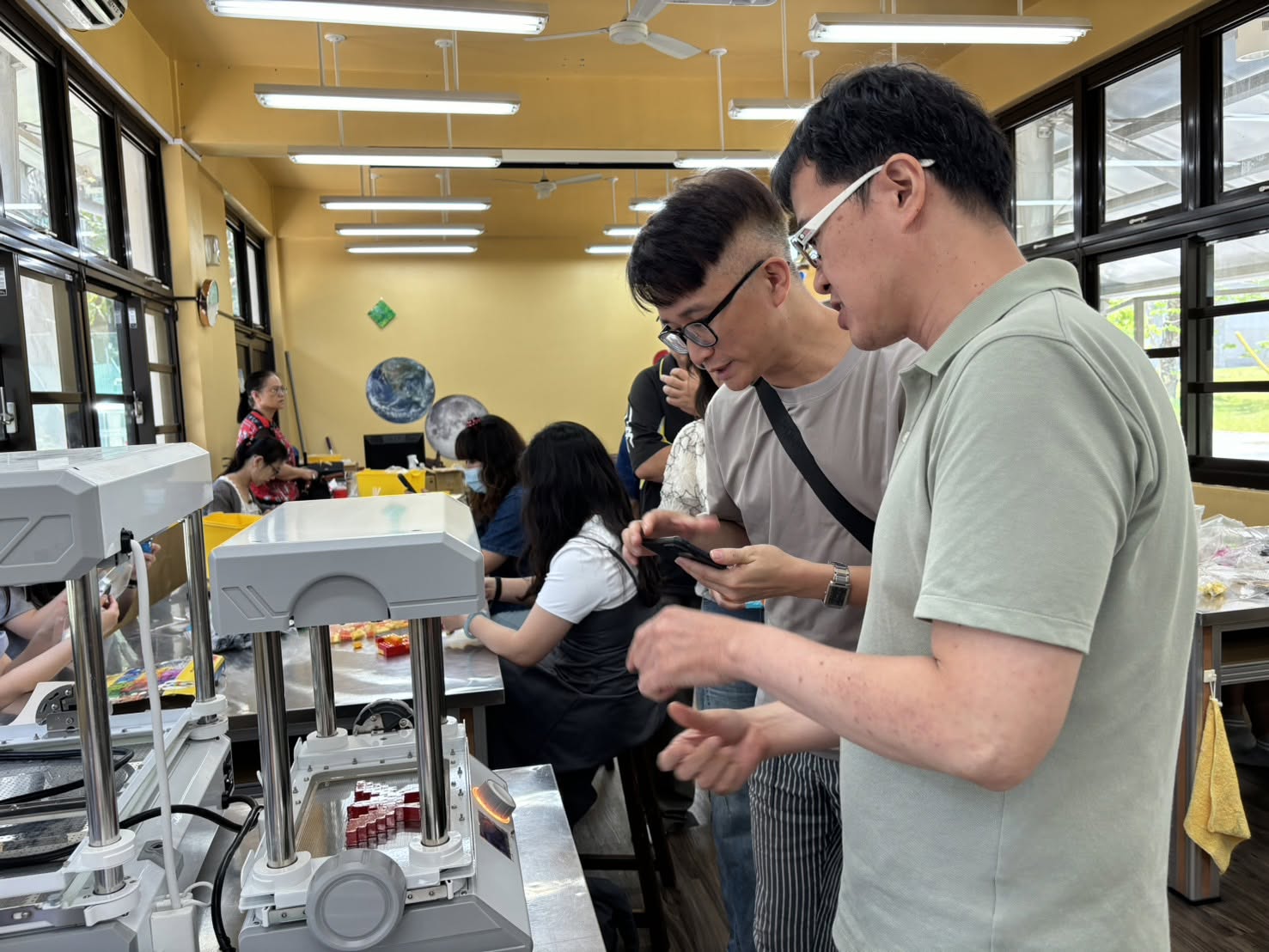
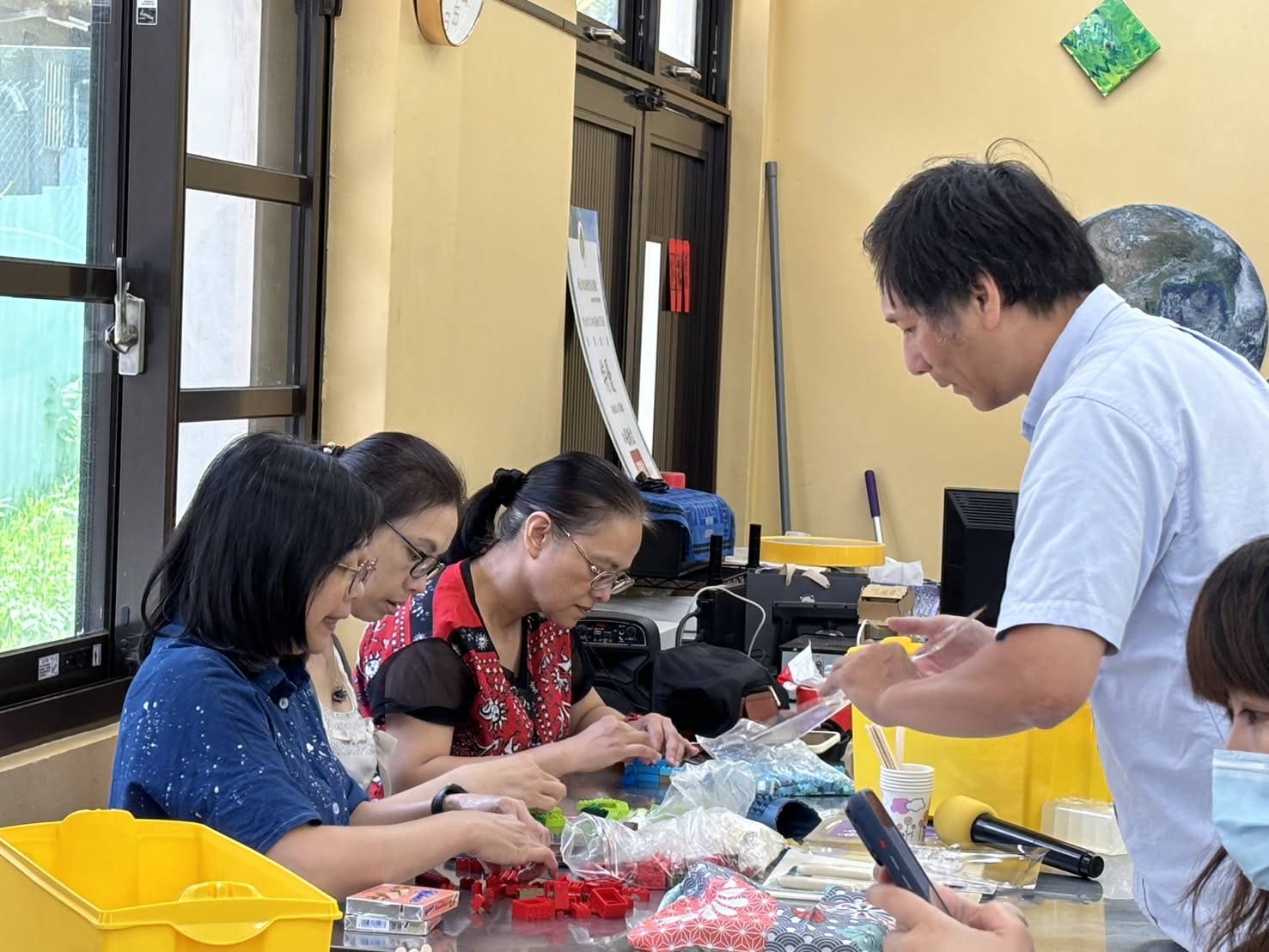
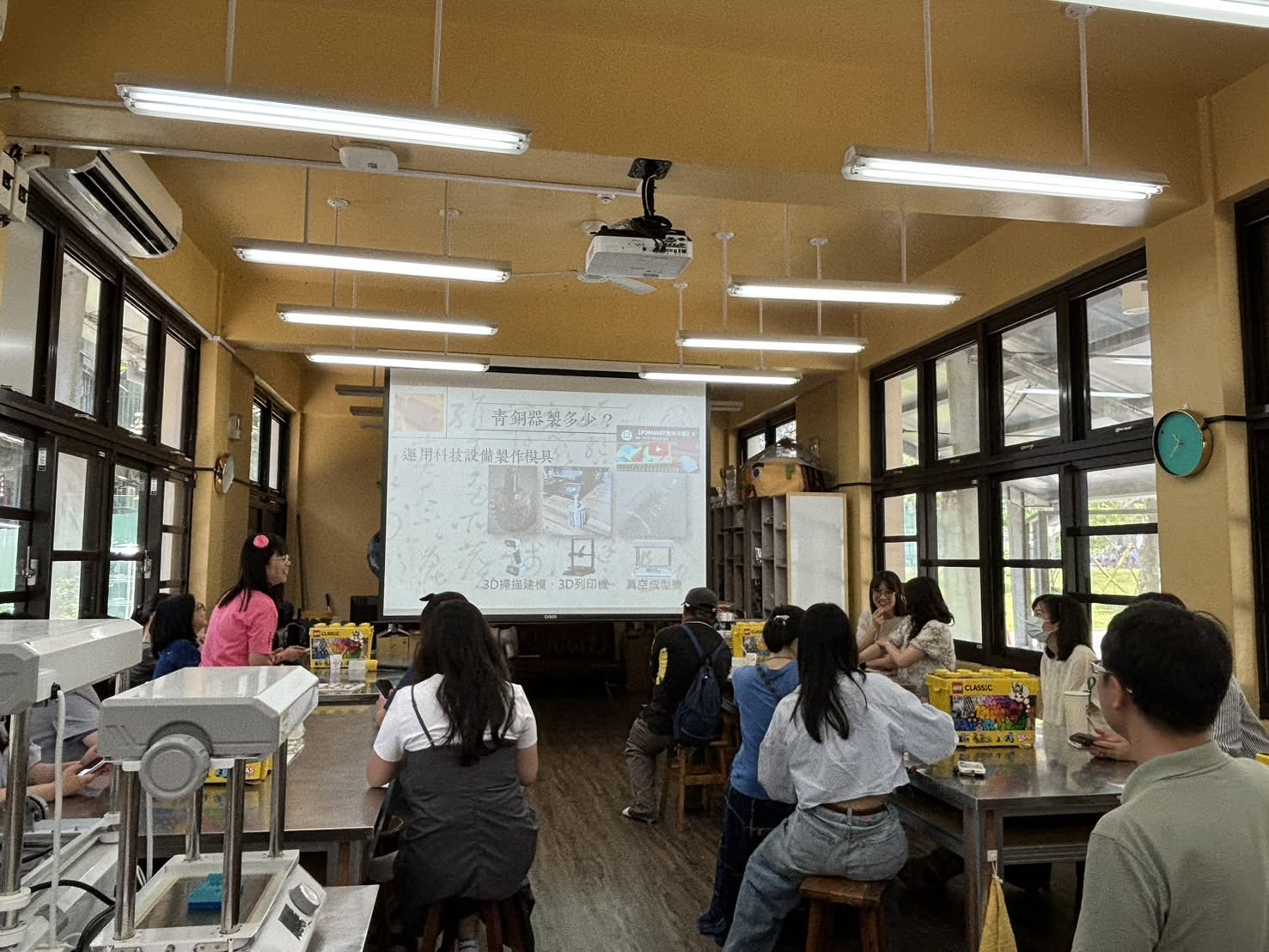
The morning session kicked off with a "Vacuum Molding Machine Application Workshop," inviting Director Hung Jui-fu of the Technology Center at Longshan Junior High School and teacher Liu Mei-ling from Banqiao Zhongshan Elementary School to share their insights on combining bronzeware with jelly making using the "Copper Revlon" technique. The workshop extended to handmade soap making, guiding participating teachers to learn how to use a vacuum molding machine to create molds and unleash their creativity to explore new possibilities. The teachers' flexible use of materials and abundant creativity were evident throughout, injecting new vitality into the teaching environment.
In the afternoon, each school took turns sharing the results of their diverse curriculum. Regarding socio-emotional learning, Banqiao Zhongshan Elementary School used its "Life Relief Library" to support students facing challenges in their growth and exchanged ideas with schools in South Korea and Japan; Danhai Elementary School cultivated empathy and teamwork through mosaic art, light and shadow, and sound and physical theater; Qidu Fuxing Elementary School combined reading of *Journey to the West*, visual creation, and technological applications to guide students in exploring gender issues; Keelung Shenmei Elementary School integrated emotional education into drama, puppetry, and scriptwriting; and Yilan Neicheng Elementary and Junior High School Huayu Branch School started with family growth stories, connecting emotional education through slow-paced creative work. On sustainable development issues, Zhonghe Fuxing Elementary School combined marine and environmental issues in its craft creations; Keelung Zhongzheng Junior High School focused on marine debris and environmental advocacy; and Luodong Gongzheng Elementary School combined science and art creation through microscopic observation of leaves and the creation of a "Taiwan-Japan Leaf Map."
The courses, which combined local culture, community exploration, and international connections, were also rich and engaging. These included the Nanzi Creek environmental exploration at Banqiao Daguan Elementary School, the fabric craft course at Jiaoxi Sijie Elementary School, "Eating in Yonghe" at Fuhe Junior High School, the world food culture learning at Zhongping Junior High School, and interdisciplinary courses developed by Ganyuan Junior High School, Gongliao Experimental High School, Fuxing Commercial and Industrial Vocational High School, and Keelung Girls' High School, which explored local stories, ancient trail memories, urban public issues, and port culture. These courses showcased the diverse ways in which arts education connects the local and the world. This exchange of aesthetic courses across counties, learning stages, and disciplines not only initiated dialogue among teachers and enhanced cooperation and connections, but also allowed all participants to see the greater possibilities of interdisciplinary aesthetic education, which not only happens in the classroom, but also continues to occur between the land, the community, culture, and the world.