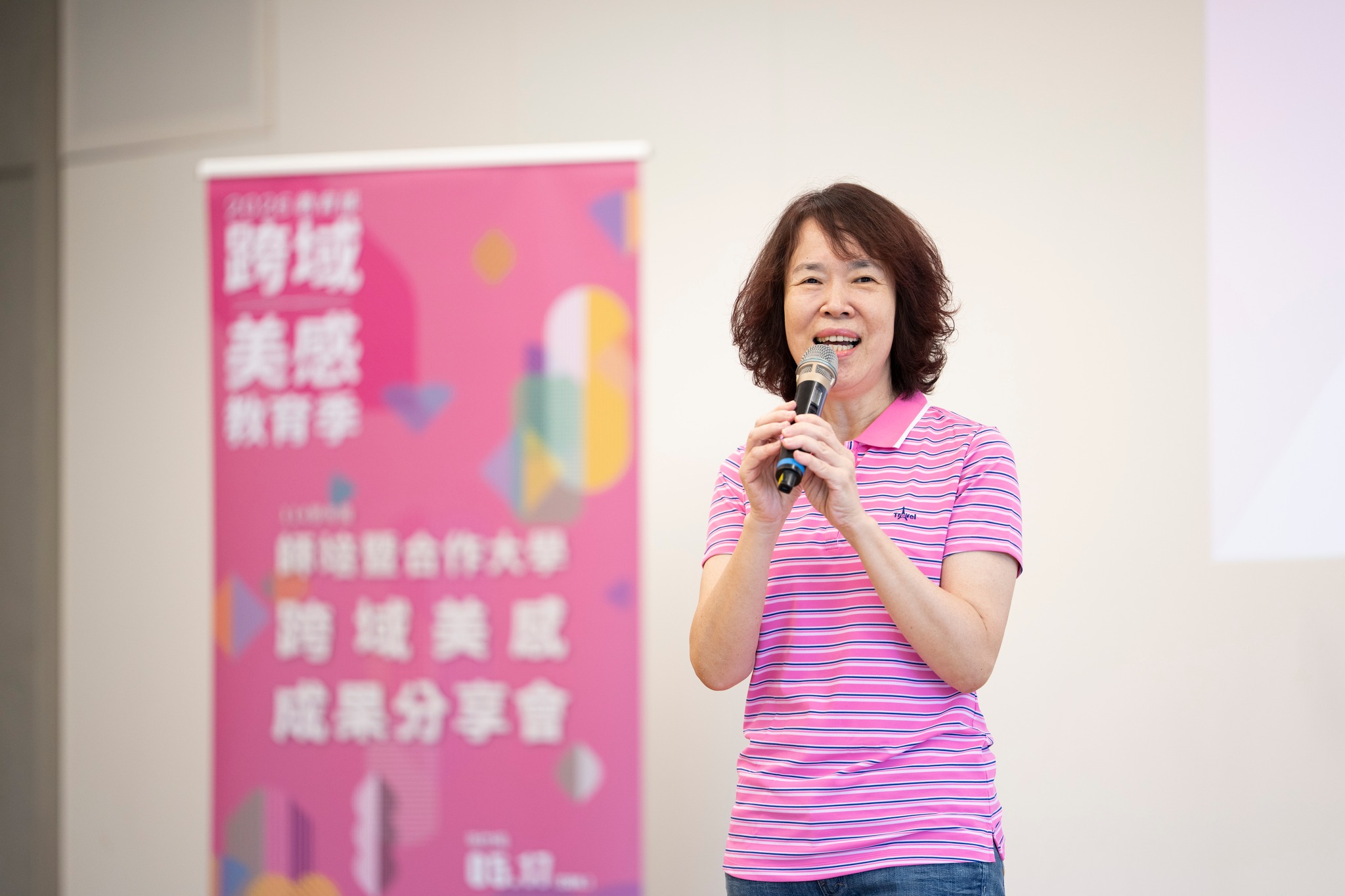
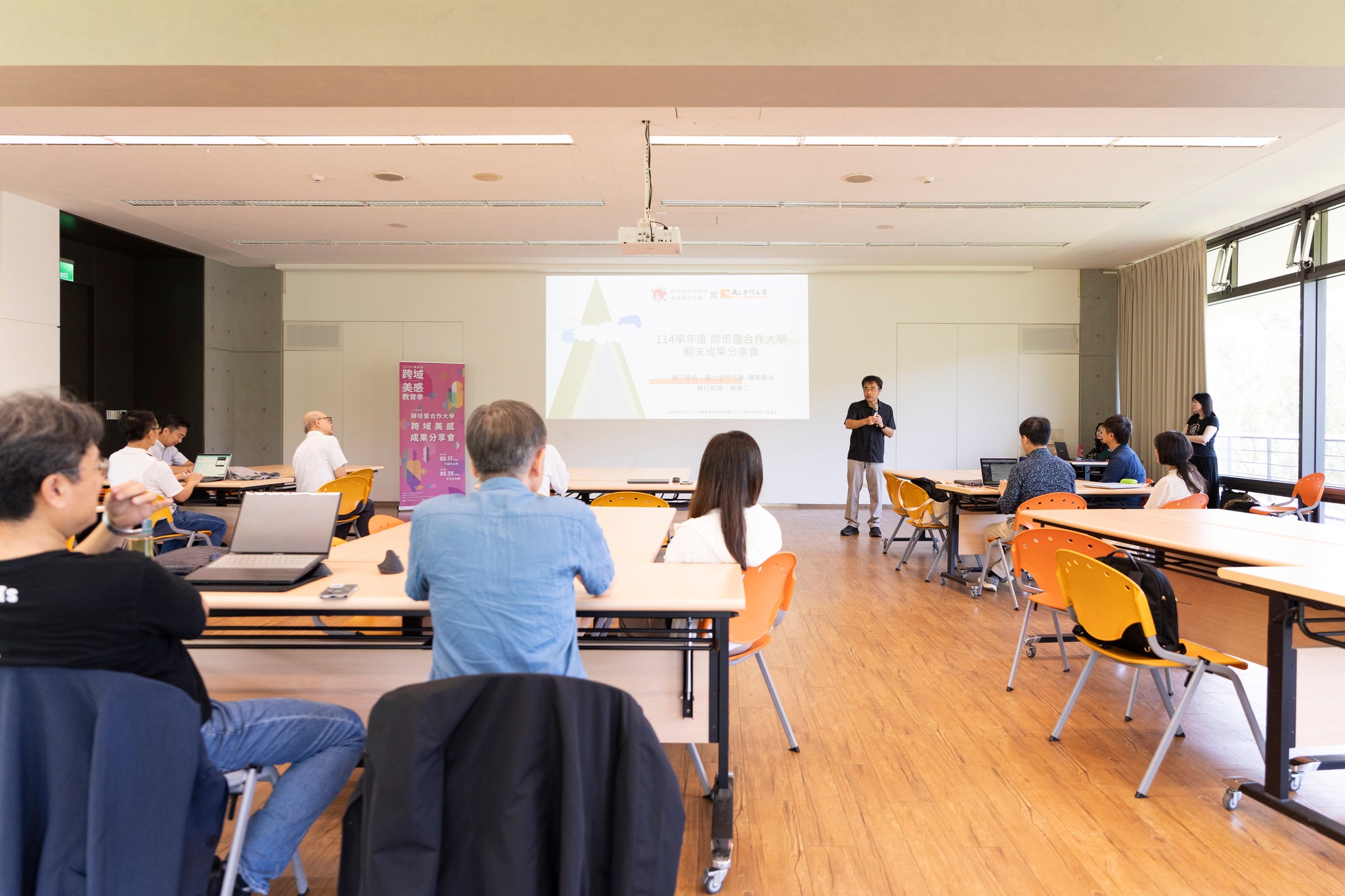
The 2026 Cross-Domain Aesthetic Education Season Teacher Training and Collaborative University Achievement Sharing Conference was held in Mabushan Forest, showcasing the fruitful results of cross-domain aesthetic education from the university level.
2026/06/03
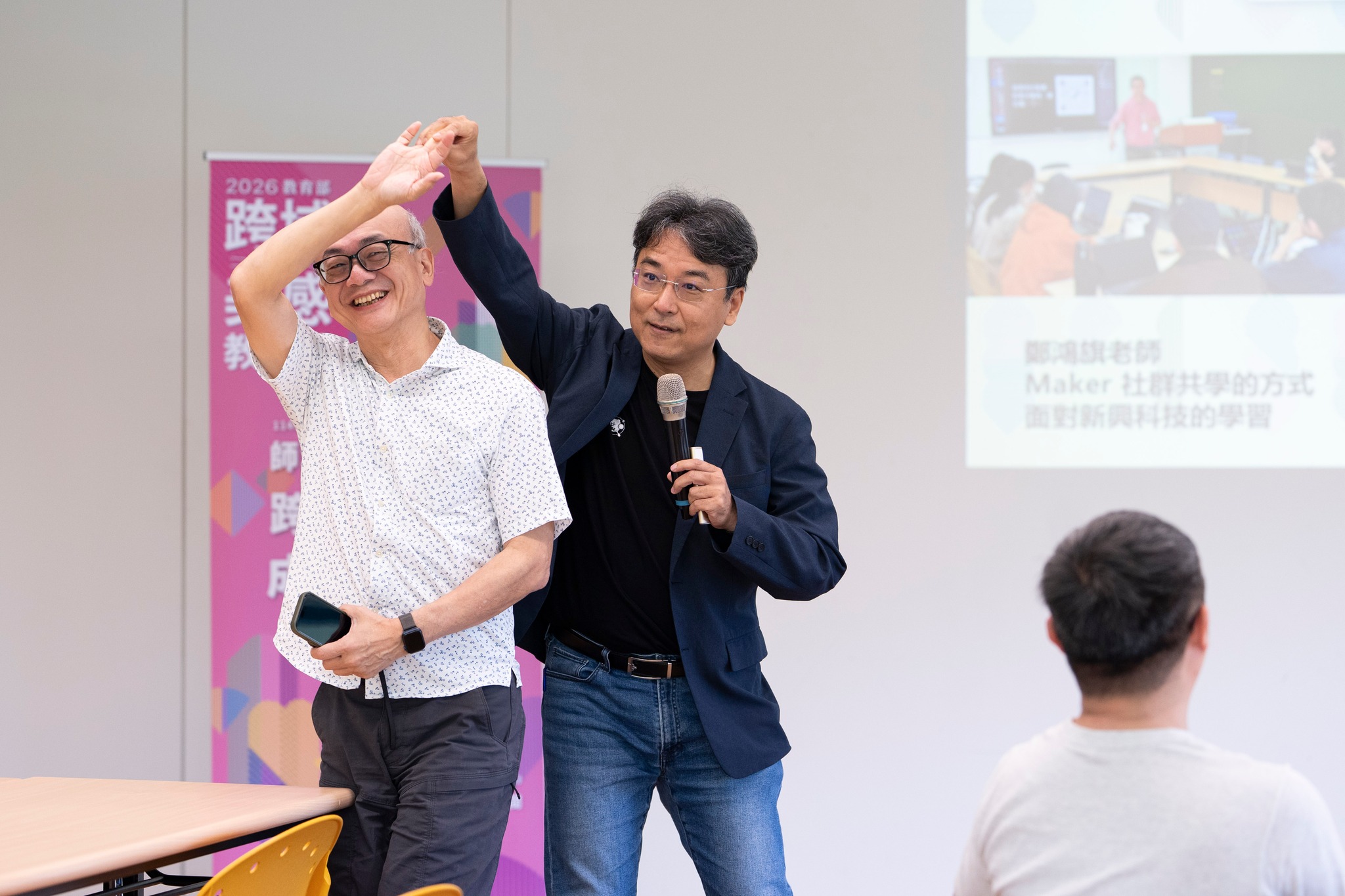
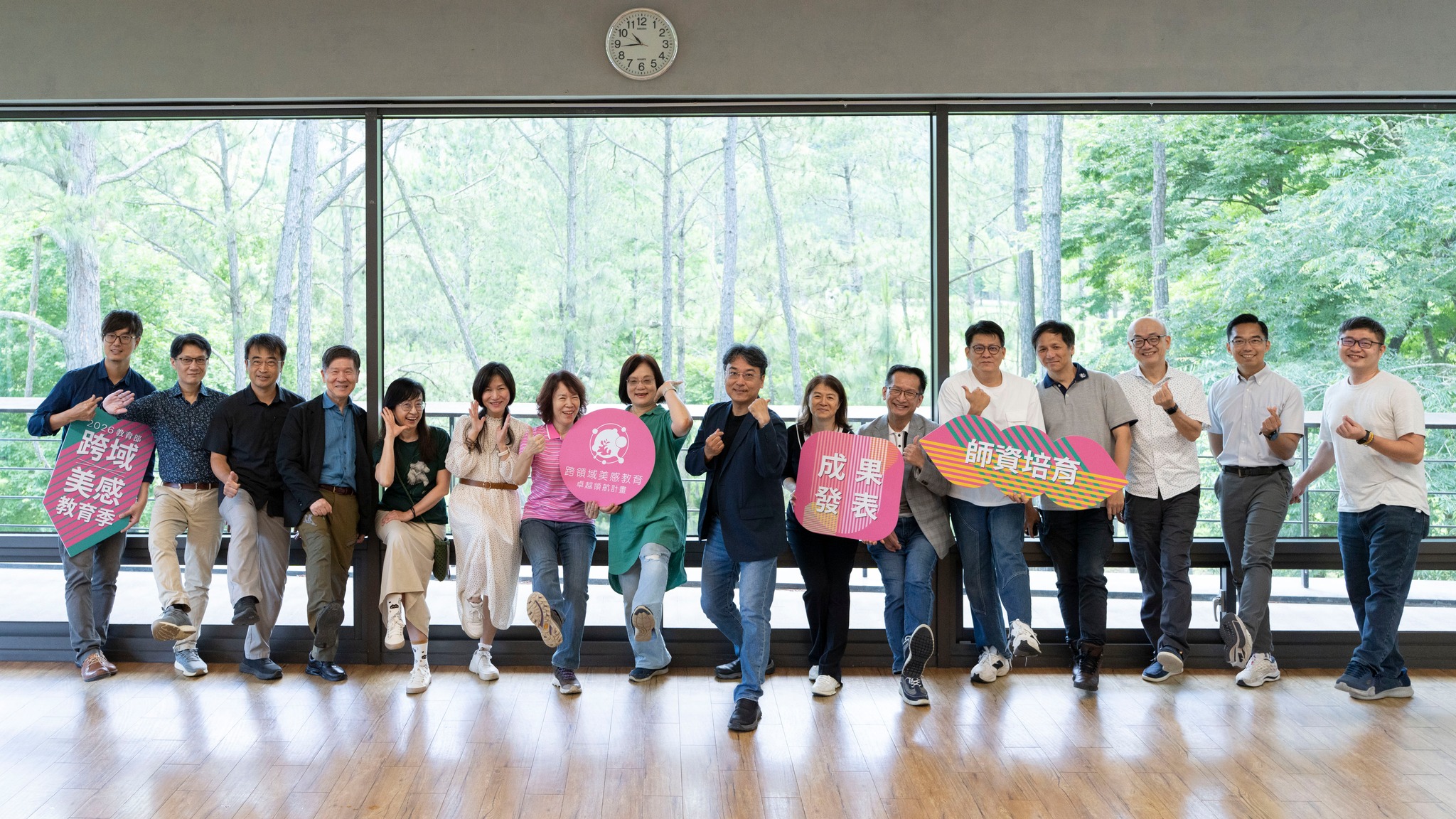
The 2026 Interdisciplinary Aesthetic Education Season's key event, the "Teacher Training and Collaborative University Interdisciplinary Aesthetic Achievement Sharing Session," was held on May 17th at the Hsinchu Azabu Mountain Forest Park, bringing together teacher training committee members from across Taiwan to showcase interdisciplinary aesthetics centered on education. The event conveyed concepts of ecological education, environmental conservation, and species restoration. The sharing session was led by Professor Hui-Ling Chao of the Department of Fine Arts, the project's principal, and Professor Chun-Min Huang of the Department of Education, the co-principal, along with collaborating principals Professor Chi-Chang Lee, Professor Chen-Feng Kao, Associate Professor Yun-Wen Chen, and Professor Chun-Di Chen. It brought together teacher training committee members from different art and academic fields. Through sharing the "2025 Teacher Training Achievement Statistics," introducing the "Interdisciplinary Aesthetic Education × Social-Emotional Learning Navigation Card," exchanging ideas on "Interdisciplinary Aesthetic Courses in Teacher Training," and experiencing the "Ecological Symphony," the session incorporated social-emotional learning (SEL) and the United Nations Sustainable Development Goals (SDGs), further integrating interdisciplinary aesthetic imagery from all five senses to demonstrate the rich energy of interdisciplinary aesthetic education.
Since 2018, the Ministry of Education's "Interdisciplinary Aesthetic Education Excellence Leadership Program" has continuously invited teacher training and partner universities to participate, successfully extending aesthetic education to the teacher training stage. To date, a total of 169 teachers from 112 schools have participated, deeply cultivating teacher training and supporting seed schools in elementary and secondary schools to jointly develop courses. Through the integration of art knowledge and skills into the courses, teaching is revitalized, aesthetic literacy is cultivated, and interdisciplinary aesthetic education is implemented.
This teacher training program yielded fruitful results in its interdisciplinary aesthetic curriculum exchange, showcasing diverse approaches to its implementation. One of the main tasks of the training, "Guiding Partner Schools in Implementing Interdisciplinary Aesthetic Curricula," featured Professor Hsu Hsiu-Chu from National Dong Hwa University sharing her recent experience leading teachers at Xifu Elementary School in Guangfu Township, Hualien County, which was devastated by a typhoon, in promoting the "SDGs: Turning Waste into Art" curriculum. This initiative used artistic creation as a means of post-disaster emotional healing and social reconstruction, initiating an interdisciplinary aesthetic education movement that "transforms waste into art." Professor Huang Jui-Sung from Yunlin University of Science and Technology focused on assisting partner schools in developing mature creative teaching teams. Using local cultural venues such as the Jiali Jintang Temple and the Xiluo Fruit and Vegetable Market as focal points, the program combined art with technology, daily life, and local revitalization to create a sustainable vision.
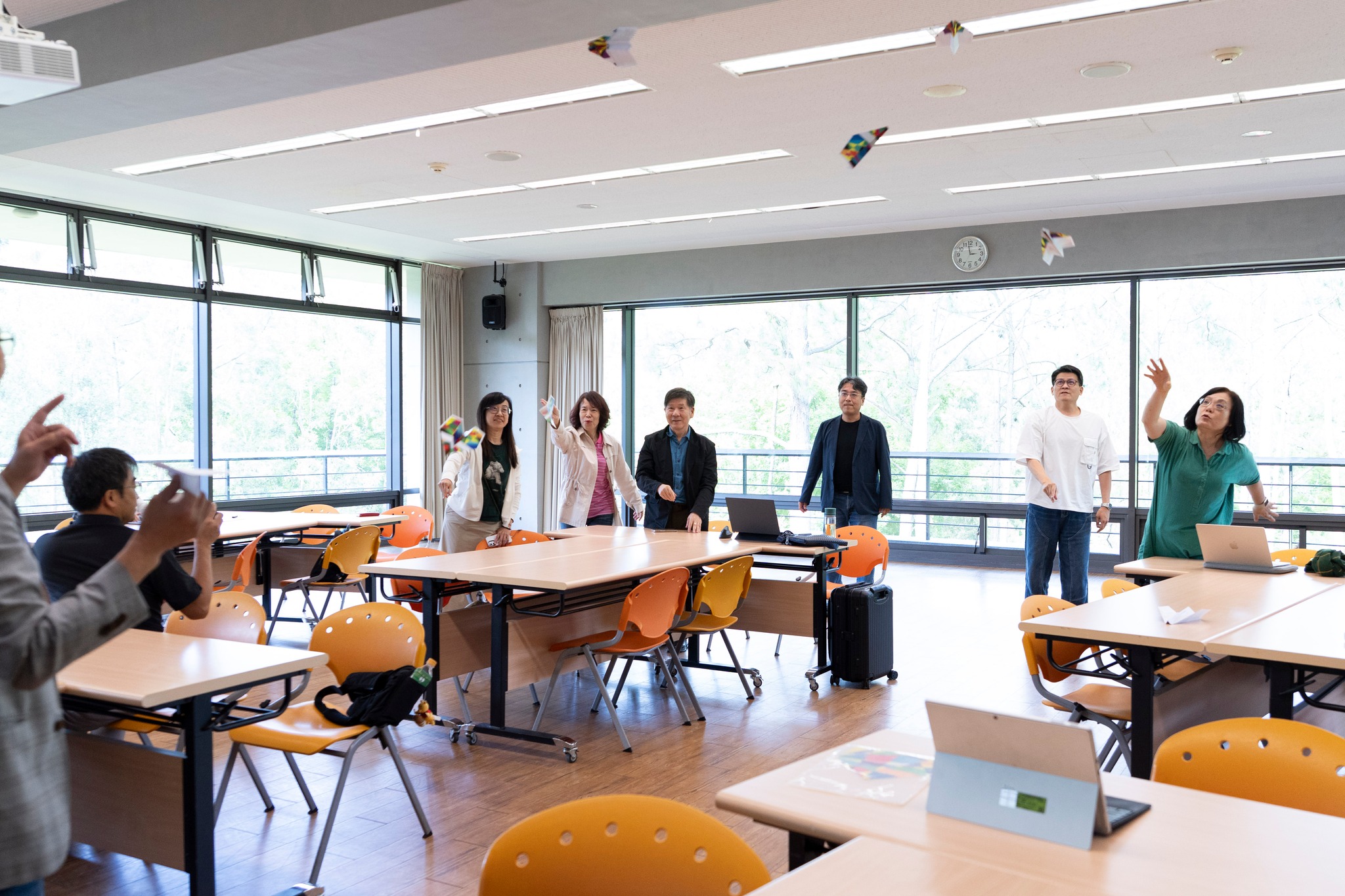
The section on "Cultivating Future Talents with Interdisciplinary Aesthetic Appreciation" featured Professor Chang Yu-shan from the Department of Technology Application and Human Resource Development, who shared his course "When Technology Meets Aesthetic Appreciation: The Amazing Paper Airplane," which integrates AI and SEL (Science, Technology, and Ethics) to guide faculty and students. Through a scientific learning model emphasizing active inquiry and differentiated instruction, the course created aesthetically pleasing paper airplanes that soar through the air. Associate Professor Shih Lan-mei from the Department of History, Associate Professor Lo Shih-lung from National Tsing Hua University, Assistant Professor Chen Chun-wen from National Taipei University of the Arts, Assistant Professor Chang Fu-ming from National Taitung University, and Assistant Professor Chen Yuhsiang from National Taiwan University of Arts also shared how to integrate interdisciplinary aesthetic appreciation into faculty development courses across different disciplines. This involved not only introducing external academic resources but also leading faculty and students to observe classes at partner schools and guiding the development of curriculum plans to cultivate future talents with interdisciplinary aesthetic appreciation in education.
Regarding "Promoting interdisciplinary aesthetic courses and teaching," Professor Tseng Yi-jen from National Quemoy University shared his "Community as Classroom" series of workshops, promoting local products and services based on Kinmen's architectural art and culture. Assistant Professor Chen Hsin-heng from the College of Teacher Education at our university started from the perspective of sports appreciation, using aesthetic education to deepen and convey the beauty of physical movement, integrating interdisciplinary aesthetics into university courses, and injecting new vitality into aesthetic education.
At the end of the event, an expert guide with extensive ecological knowledge led the participating teachers on a stroll through the forest. Under the bright sunshine and dense green shade, they encountered the Formosan Purple Whistling Thrush, the Five-colored Bird, the Yellow-headed Egret, the Longan Chicken, and the larvae of the Swallowtail Butterfly. They also had the opportunity to observe the emergence process of the Thin-winged Cicada, experiencing the vibrant ecological symphony of summer.