Hear the voice of the land, see the colors of culture: Cross-domain aesthetic courses inherit the beauty of indigenous cultures.
2026/08/31
News Source:Ministry of Education Global Information Network>
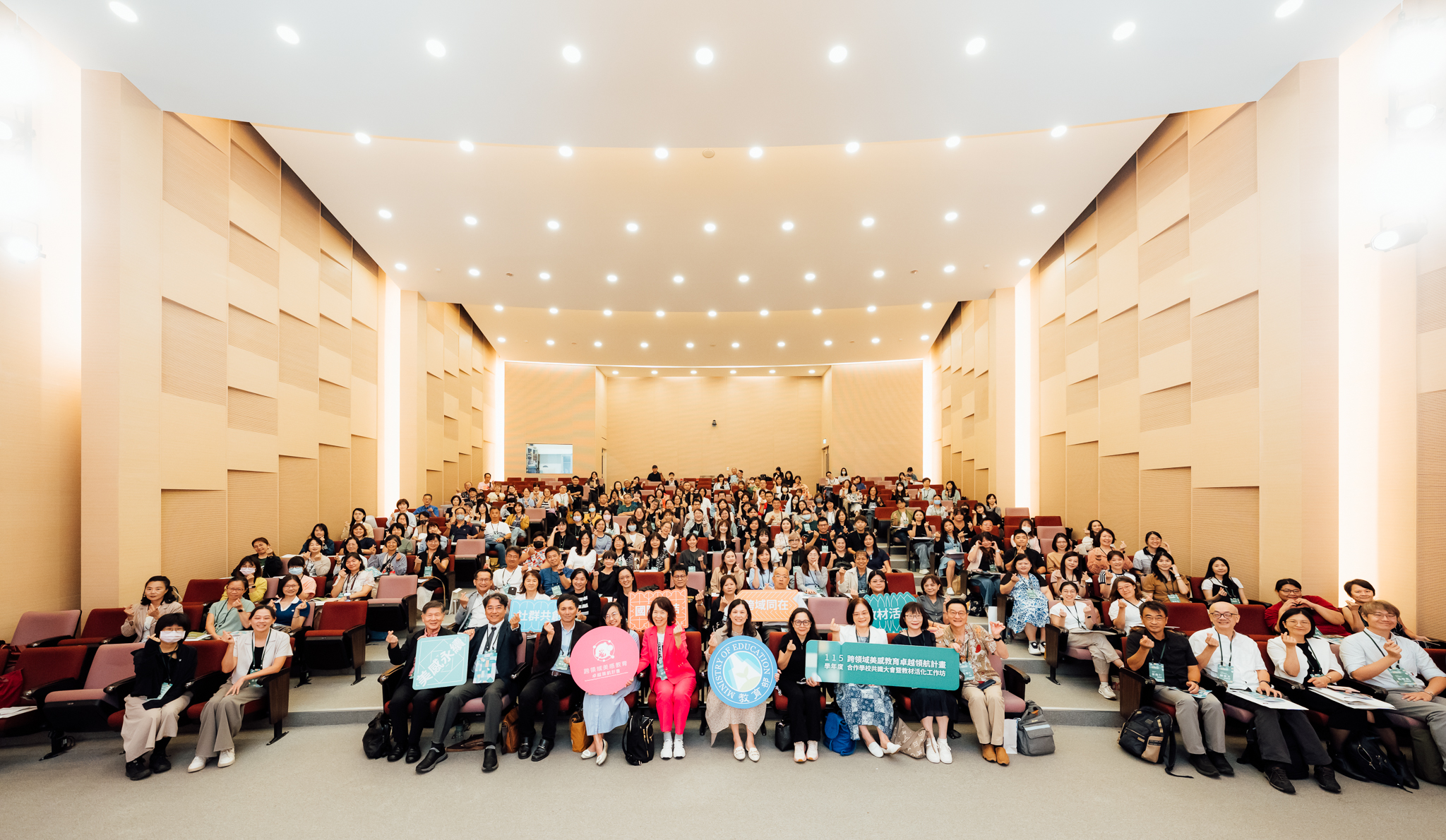
Since 2014, the Ministry of Education has been promoting the "Interdisciplinary Aesthetic Education Excellence Leading Project," focusing on the arts, interdisciplinary studies, and integration with the 19 issues of the 12-year compulsory education curriculum, SDG-related issues, and socio-emotional learning. Teachers and students from participating schools start from their local context, caring for the environment and preserving culture. Through observation and exploration of their local areas, they extend their attention to the external environment and multicultural issues, thereby connecting with international standards. The project aims to enable students to connect with themselves, others, and society through interdisciplinary aesthetic education, cultivating independent creative thinking, practical action, and a sense of responsibility.
Following the philosophy of continuously encouraging schools to cultivate a deep connection with the local community, this year's focus (2026) is on Taiwan's rich and diverse "Indigenous Culture." From melodious ancient tunes and mother tongue traditions to tribal customs, each embodies the wisdom of generations and cultural memories. Through cross-disciplinary integration of art, information, and social fields, students are guided to rediscover the land beneath their feet from multiple perspectives. Furthermore, it is hoped that through learning and practice, Indigenous culture will be passed down continuously, demonstrating its enduring vitality.
Malan Elementary School in Taitung City and Wulu Elementary School in Haiduan Township guide students to explore the rich connotations of indigenous culture through music, color, and tribal soundscapes, respectively. Although the courses of the two schools have their own characteristics, they are both anchored by real-life experiences, encouraging children to understand the profound connection between culture and land through observation, listening, and creation, and thus build a precious cultural identity in artistic practice.
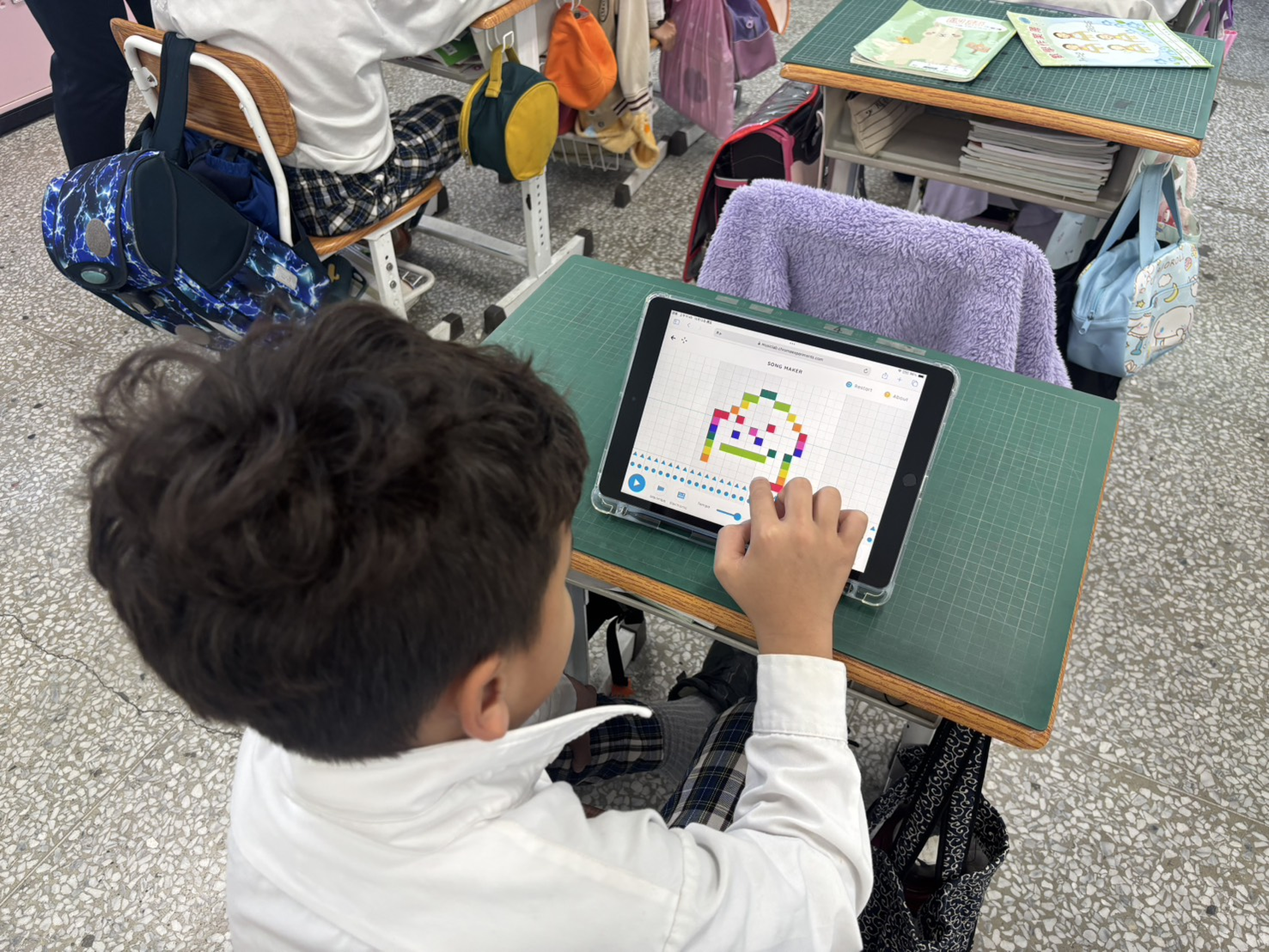
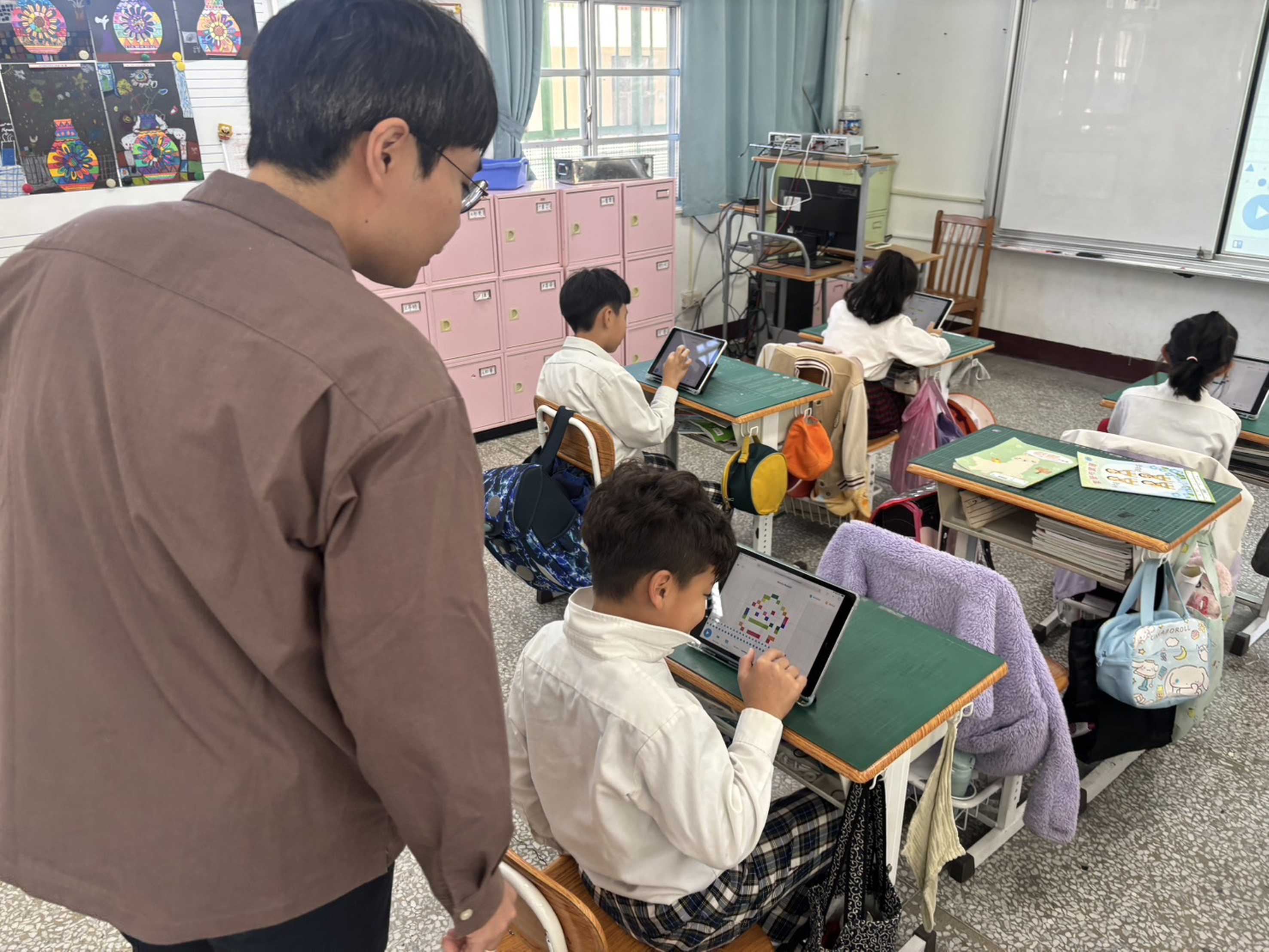
Malan Elementary School's course, titled "The Magic of Color in Advertising and Indigenous Music: Storytelling Through Music and Visuals," began with an Amis tribal melody, guiding students to explore how Mr. Kuo Ying-nan's "The Elderly Drinking Song" reached the international stage and discussing the ingenious use of indigenous music in contemporary advertising. The course guided students to appreciate images, analyze the emotional tension between color and music, and then, combining social issues and personal experiences, create unique advertisements, soundtracks, and slogans. In this process, culture was no longer just book knowledge, but a vibrant medium for dialogue with contemporary society.
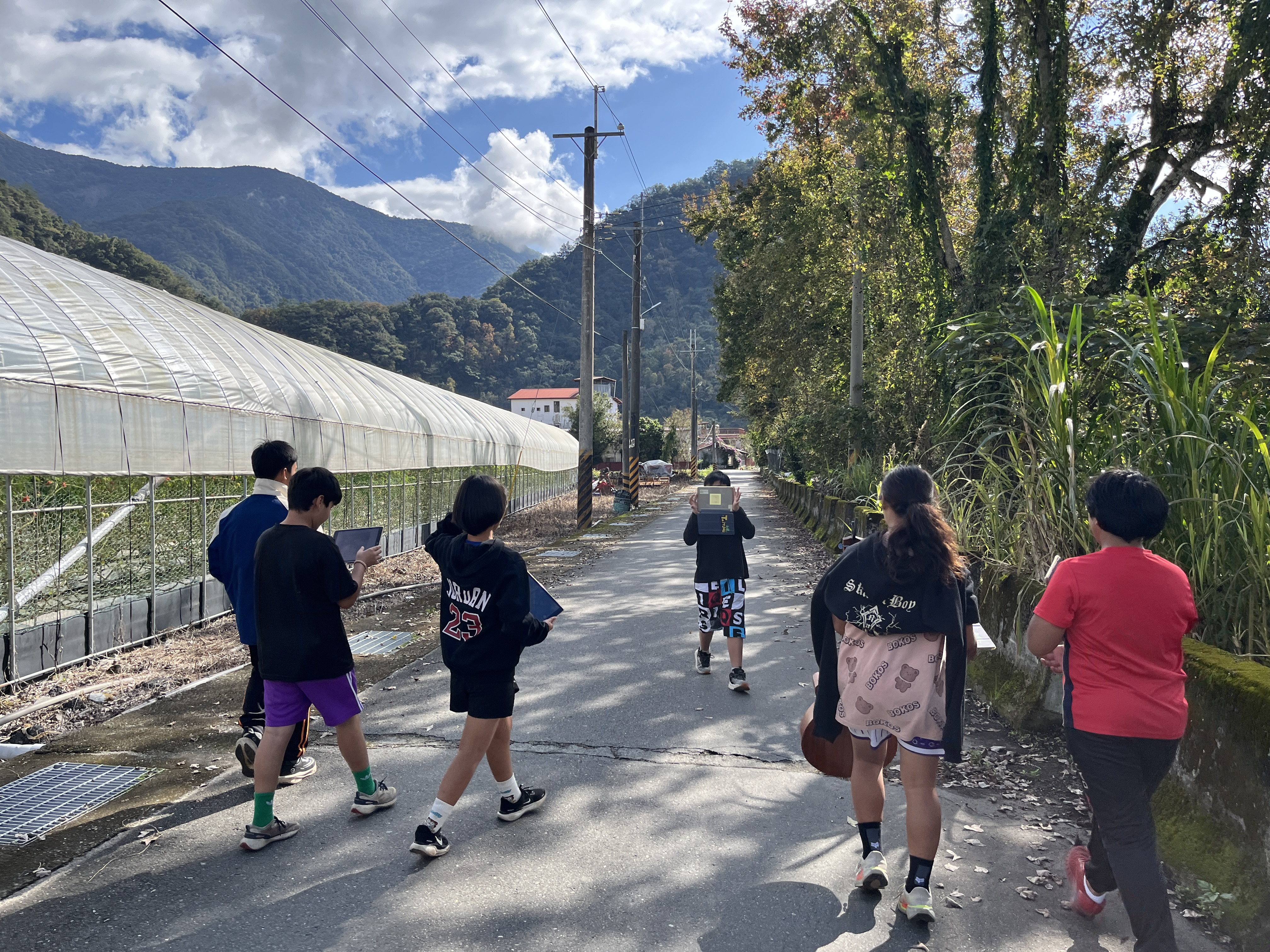
Wulu Elementary School launched the "It's Actually Beautiful - Creating a Green Soundscape Map" course, leading students to visit the Lidao Tribe and use recording, photography, and digital technology to collect and record the natural echoes and everyday sounds of the tribe. Through exploration and photography, the children created their own soundscape maps of their hometown; they not only learned to use multiple senses to perceive their surroundings, but also rediscovered the unique charm of tribal culture, allowing precious local memories to be heard, preserved, and shared.
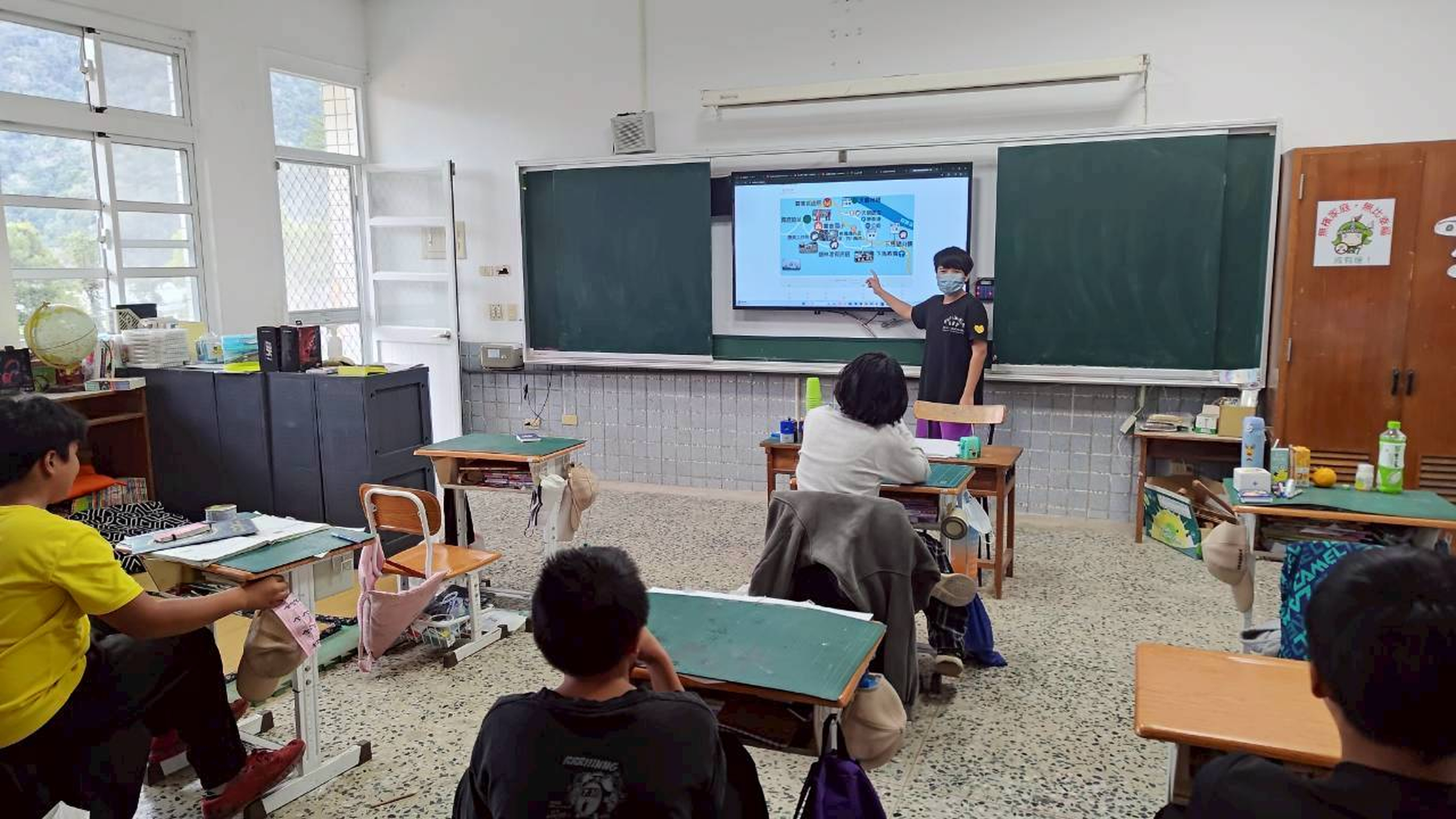
The Ministry of Education stated that the core of interdisciplinary aesthetic education lies not only in cultivating artistic creativity, but also in guiding students to deepen their empathy and understanding of their land, ethnicity, and environment, starting from their own cultural roots. Through the cross-disciplinary integration of music, visual arts, and digital technology, students listen to, record, and pass on their culture in the process of creation, allowing the rich cultural heritage of indigenous peoples to continue to take root in schools, thus becoming an important force connecting the local community with the world. The Ministry of Education will continue to work with schools at all levels to develop diverse and innovative aesthetic courses, enabling every child to cultivate aesthetic literacy and demonstrate cultural confidence while exploring their hometown culture.