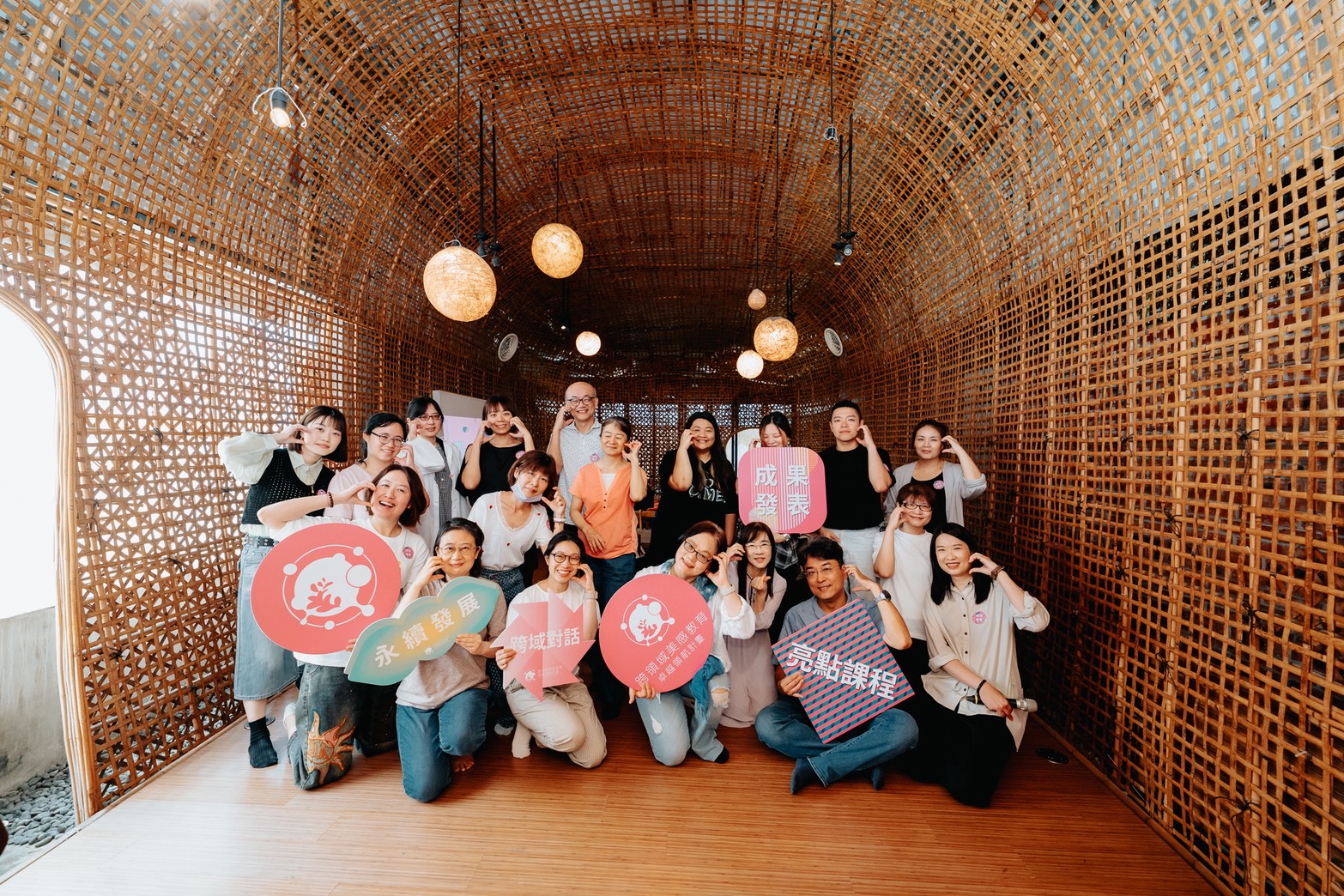
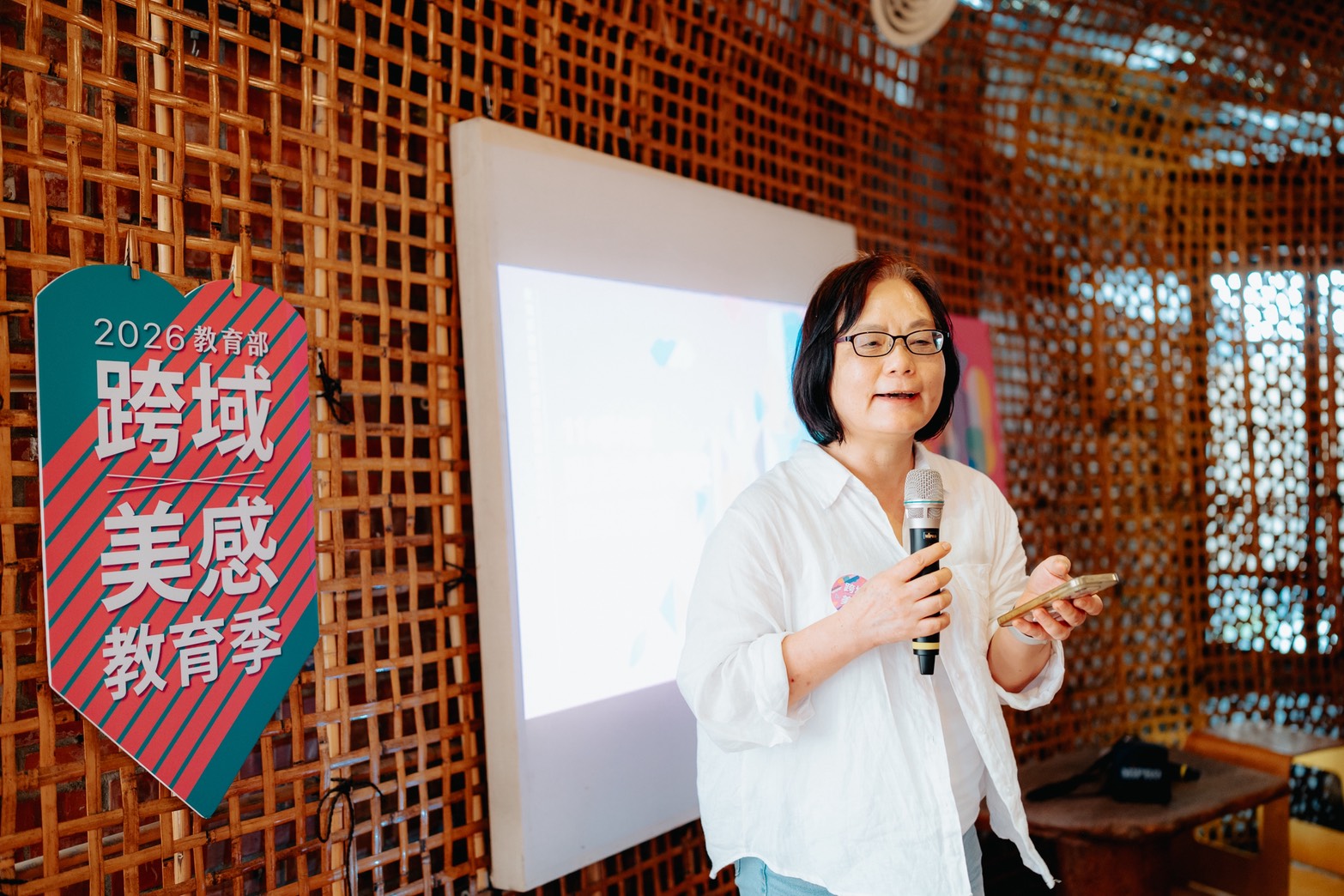
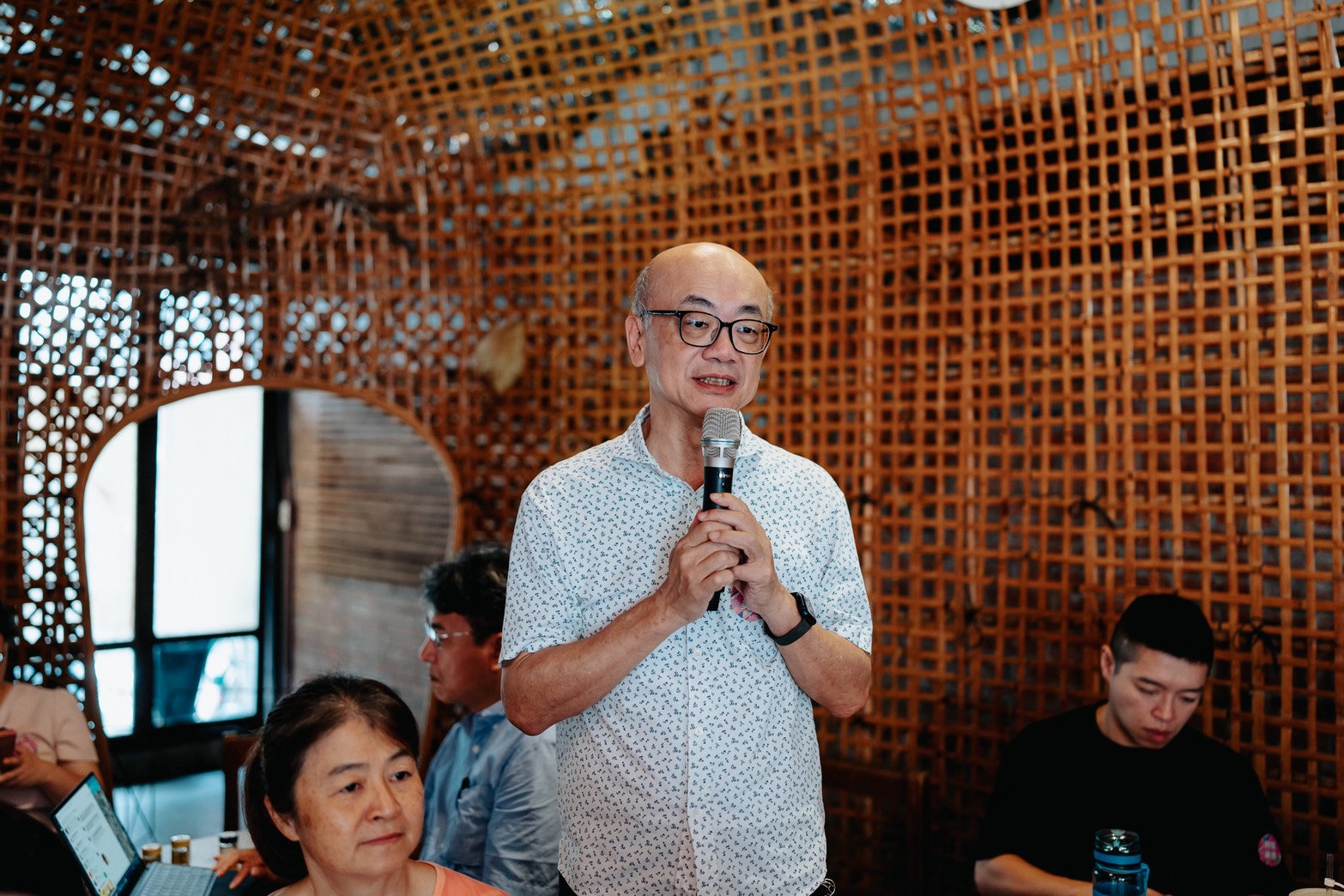
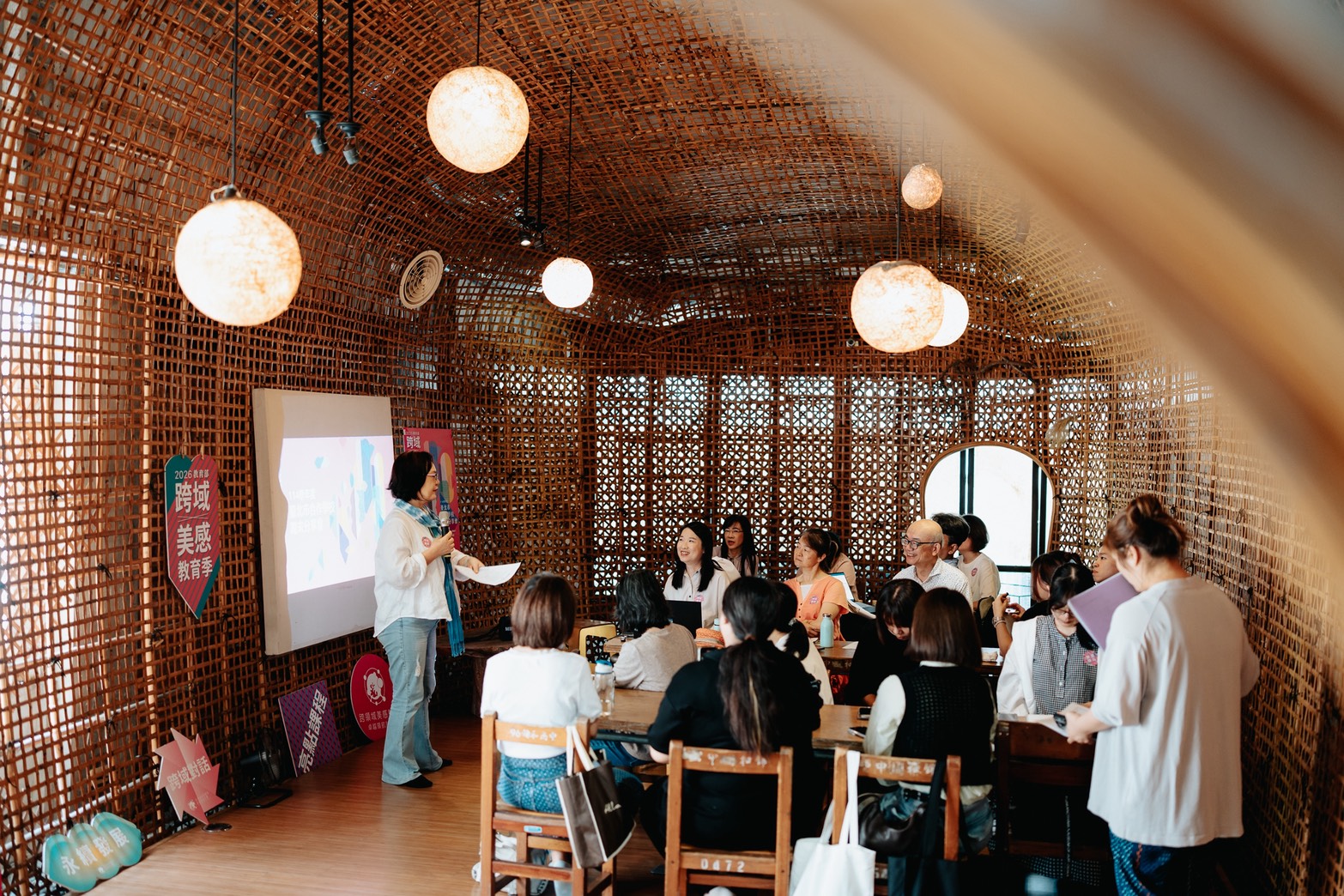
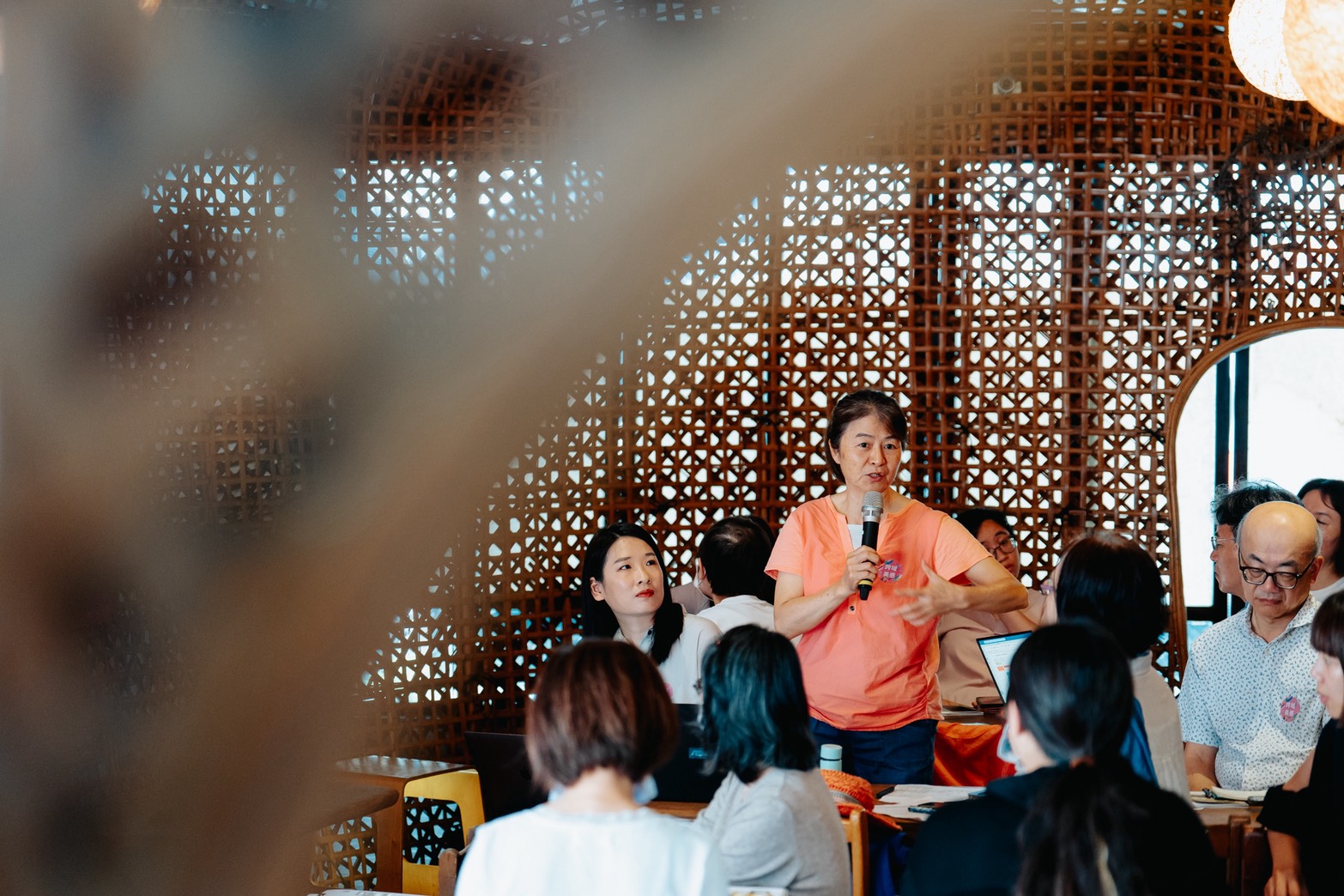
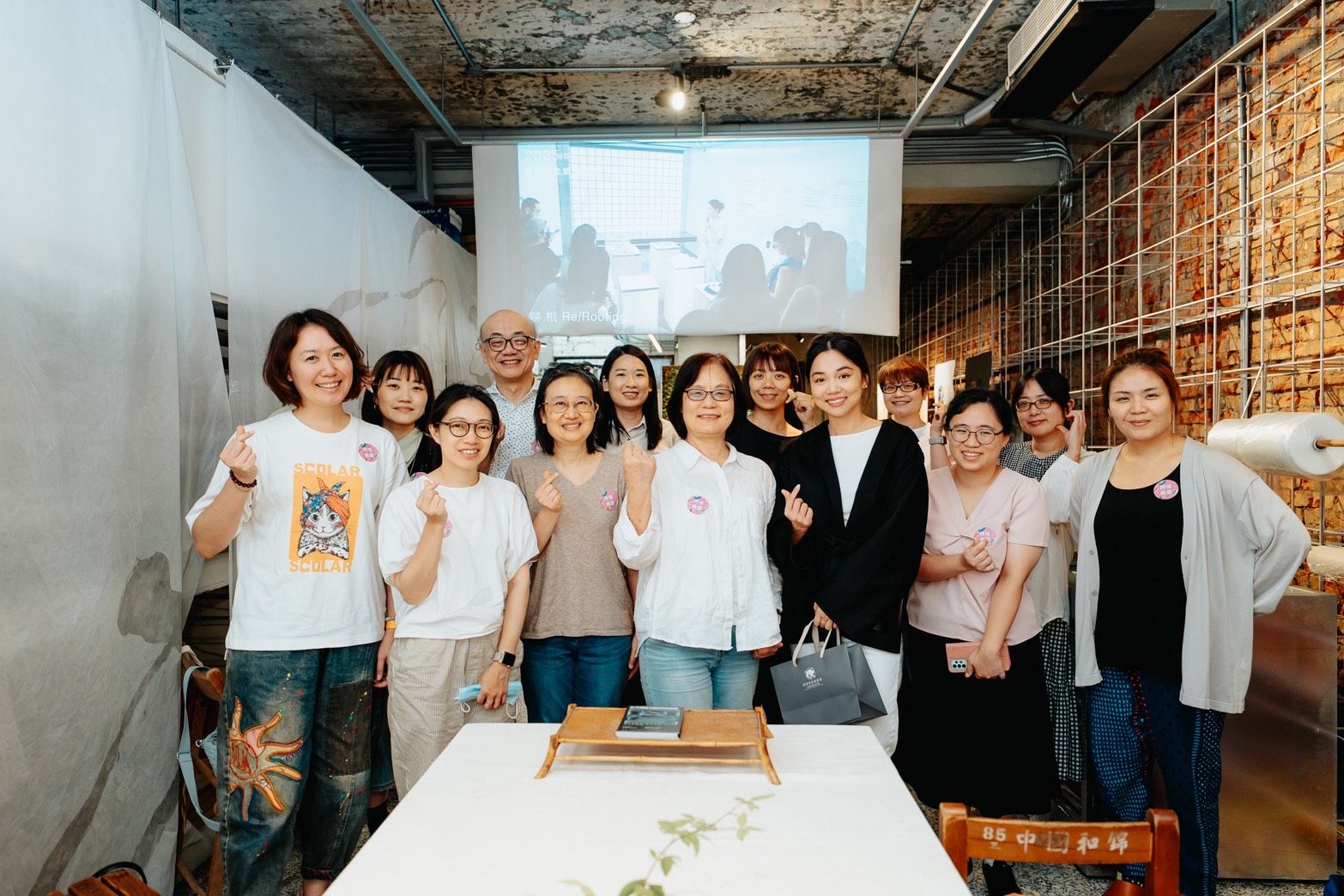

Showcasing Taipei City's fruitful achievements in cross-disciplinary aesthetics, the Taipei City Partner Schools End-of-Term Sharing Session was held at the Tree Fire Memorial Paper Museum.
2026/06/18
News source:Normal University News>
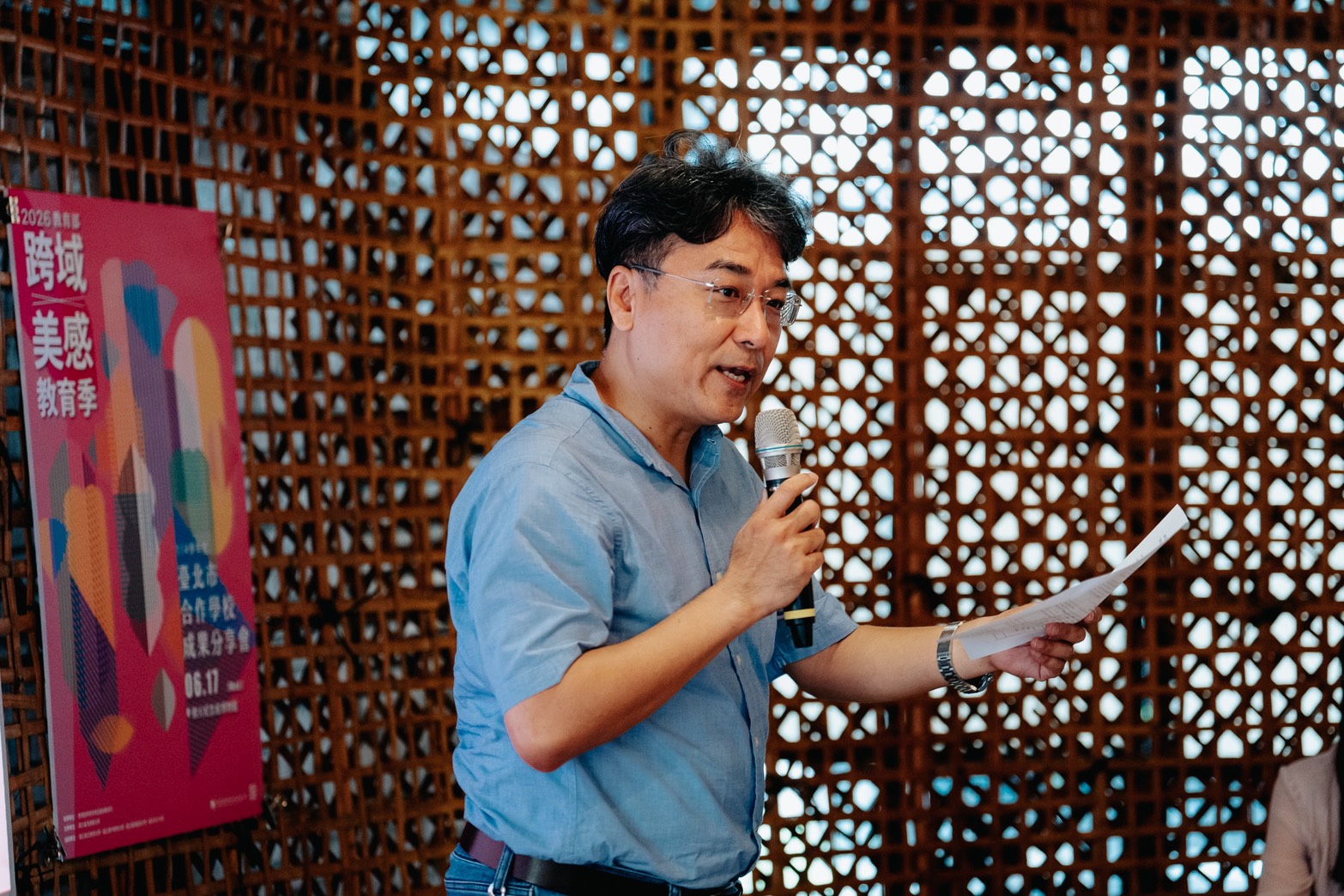
As part of the Interdisciplinary Aesthetic Education Season, the "Taipei City Partner Schools' End-of-Term Project Presentation" was held on Wednesday, June 17th, at the Tree Fire Memorial Paper Museum. Educational partners from eight partner schools gathered to share their ideas, processes, and achievements in integrating art into various fields such as SEL (Science, Education, Social Studies), AI (Arts, Language), Social Studies, Nature, Counseling, Mathematics, and Technology. This further guided students in observation, critical thinking, creation, expression, and social practice, while simultaneously fostering awareness and perception of the community and the world. It cultivated aesthetic literacy in real-world contexts, showcasing the innovative energy generated by interdisciplinary aesthetic education in the classroom and the fruitful results of its deep cultivation on campus.
The presentation was hosted by Professor Huang Chun-min, co-host of the project, Department of Education and Graduate Institute of Curriculum and Instruction, National Taiwan Normal University. Professor Li Chi-chang, co-host of the project, Graduate Institute of Arts and Humanities, National Taiwan University of Arts, and teacher training committee members Associate Professor Shih Lan-mei, Department of History, National Taiwan Normal University, and Assistant Professor Chen Chun-wen, Graduate Institute of Arts and Humanities, National Taipei University of the Arts, attended the event to exchange feedback.
These eight partner schools have developed diverse curriculum programs based on their respective campus characteristics and local culture. Firstly, in terms of local community exchange and dialogue, Bo-Chia Elementary School's "Art Festival Under the Camphor Tree" is themed "Future," featuring music, drama performances, and visual arts exhibitions, leading teachers and students into the Muzha local community; Bi-Hu Elementary School combines campus walking and observation with STEAM "Nature Puzzle" curriculum practice, and donates the proceeds from the sale of student works to rural areas; Shuang-Yong Elementary School's "Shuang-Yong Forest" curriculum uses the search for campus flora and fauna as the basis for clay creation, and invites public artists to share their relief modeling thinking and creation process, allowing students to collaborate in creating campus public art as a social practice; Nan-Gang High School combines SDGs sustainability curriculum, integrating fashion, clothing supply chain, old clothing fabrics, and color theory, leading students to explore and create a folded map of Nan-Gang.
Secondly, in terms of cross-disciplinary integration of SEL (Science, Energy, and Language) courses, Renai Elementary School combines olfaction with SEL and memory, using artistic creation to connect the world and conduct international exchanges; Tianmu Junior High School uses the course "My Classmate is AI" to help students understand the difference between humanity and AI, and through the drama performance "Du Zichun's Choice," students discuss whether to speak out or remain silent when facing bullying and explain their reasons for their choices; Jingmei Junior High School uses interdisciplinary integration of performance, color, and sound expression to guide students to confront bullying scenarios with power imbalances, such as parent-child relationships and the white terror, allowing students to develop interpersonal boundaries and collectively think about better ways to deal with them; Fuxing High School's curriculum not only combines drama, music, and visual arts to promote students' cross-disciplinary learning and teamwork, but also collaborates with the Civic Band to perform "Key to Aesthetics - The Little Prince Cross-Disciplinary Concert," making aesthetics not just knowledge from art classes, nor just a performance, but also a cross-disciplinary artistic exploration, experiment, and social participation.
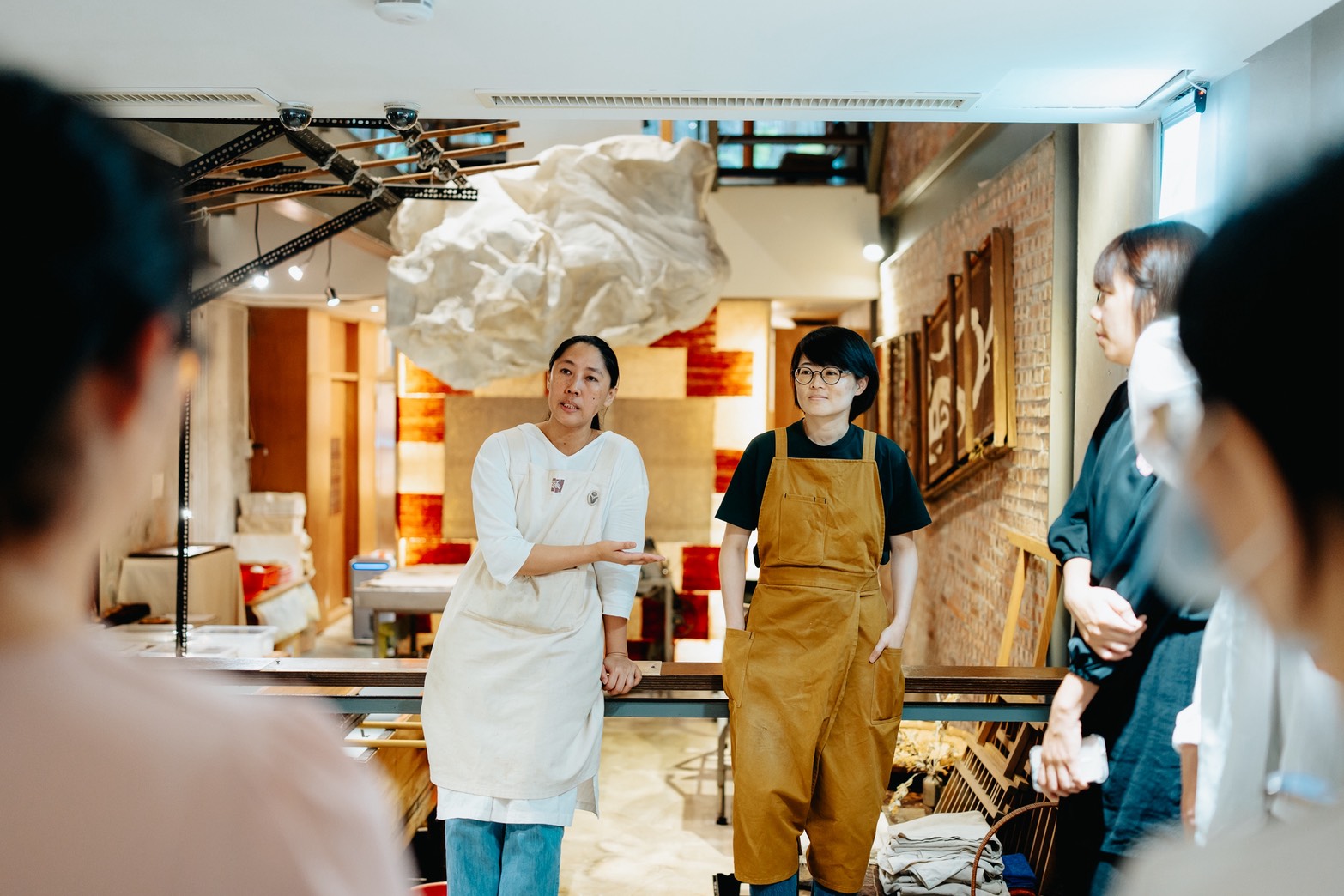
Following the morning's packed school presentations, the afternoon session featured Li Yiyun, Brand Director of Fengjiao Catalysis Lab, who shared insights into the heritage of paper museums, the diverse possibilities of paper and fiber innovation, and how the team collaborates with art venues, universities, professional designers, and artists across disciplines to explore various applications of paper in the restoration of ancient artifacts, everyday items, artistic creation, and brand spaces. Examples include developing paper yarn fabrics for clothing and using paper art to create paper art installations in art galleries, boutiques, and cultural venues, showcasing how paper breaks through the limitations of traditional writing media and becomes a creative material with design, aesthetic, and practical value.
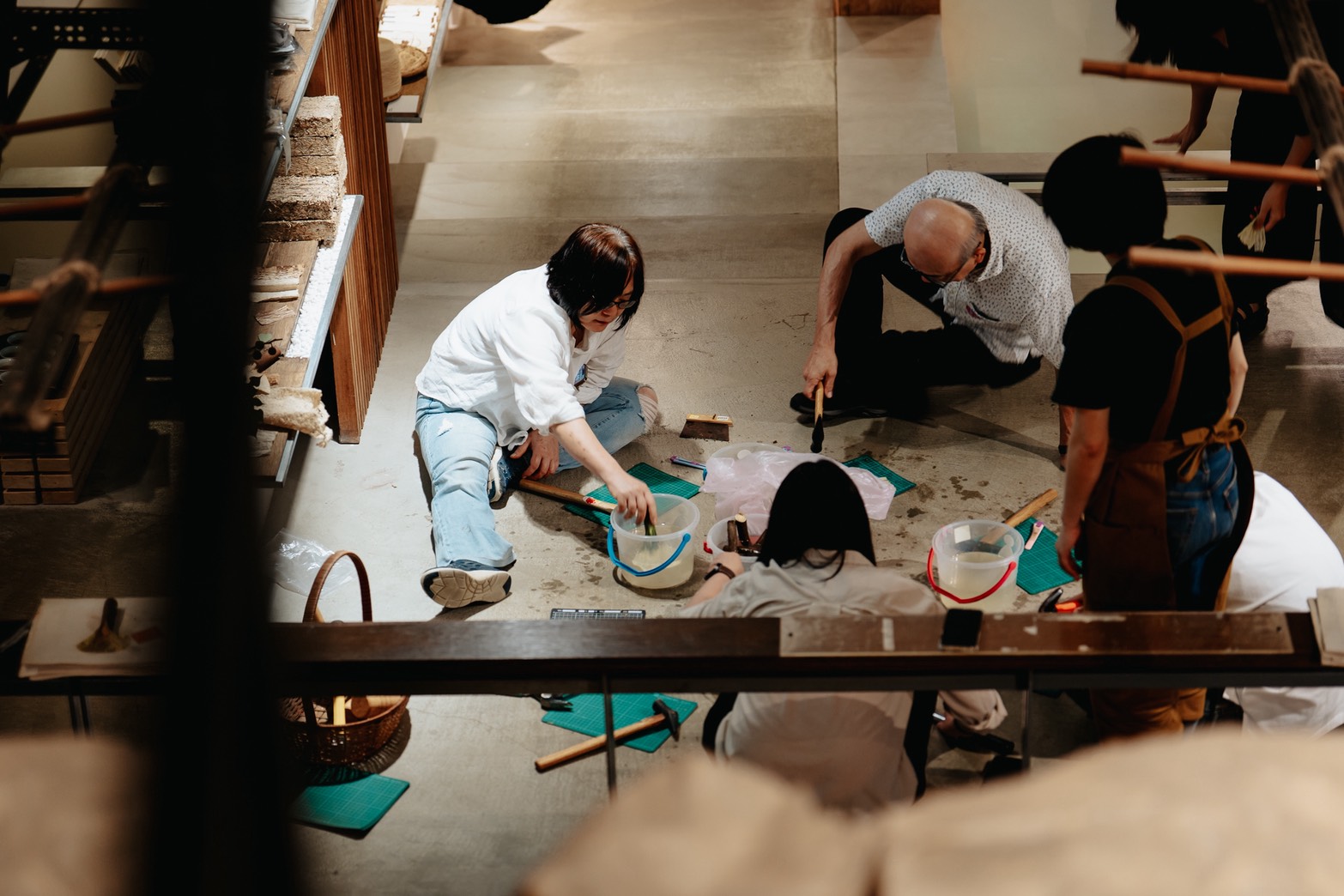
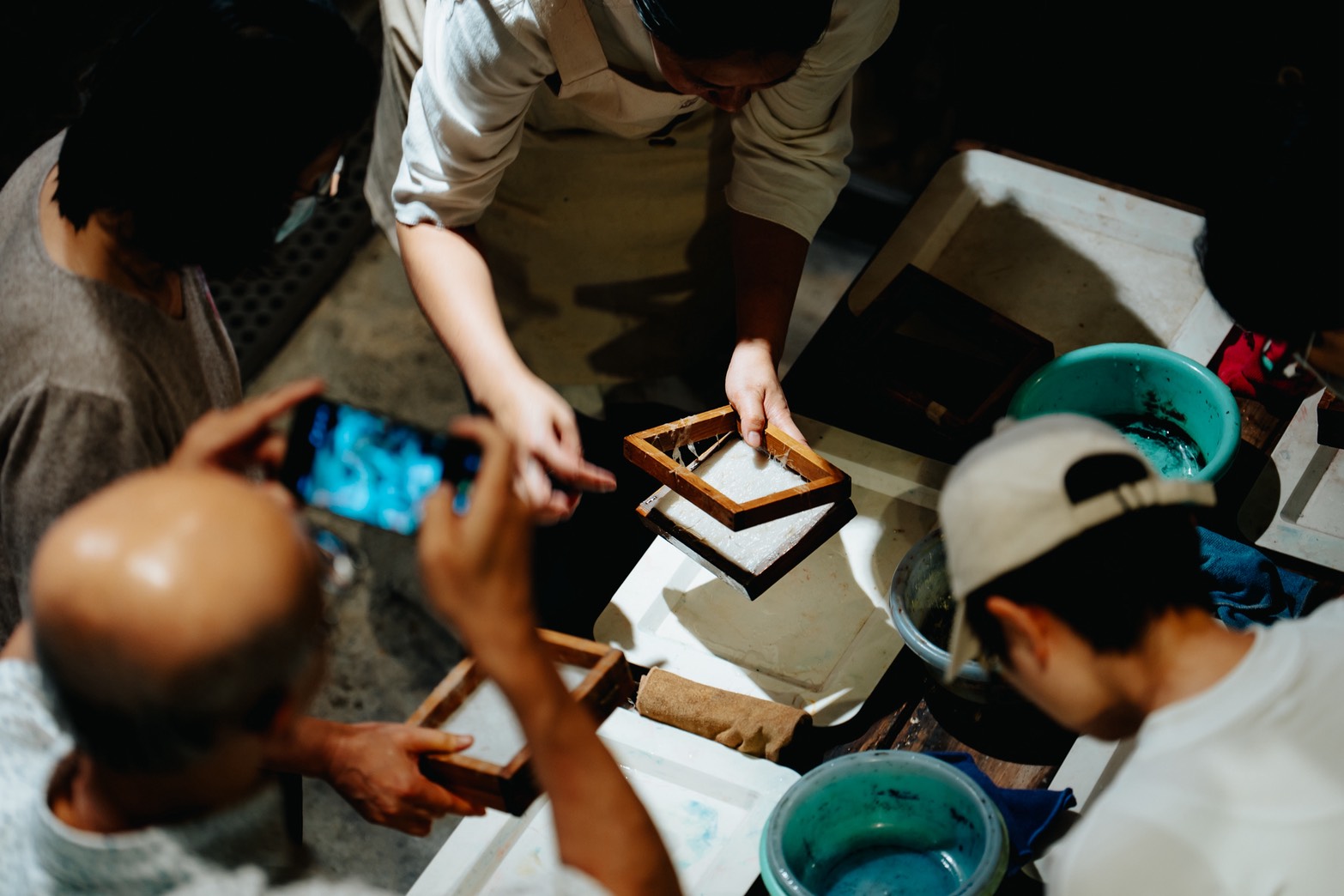
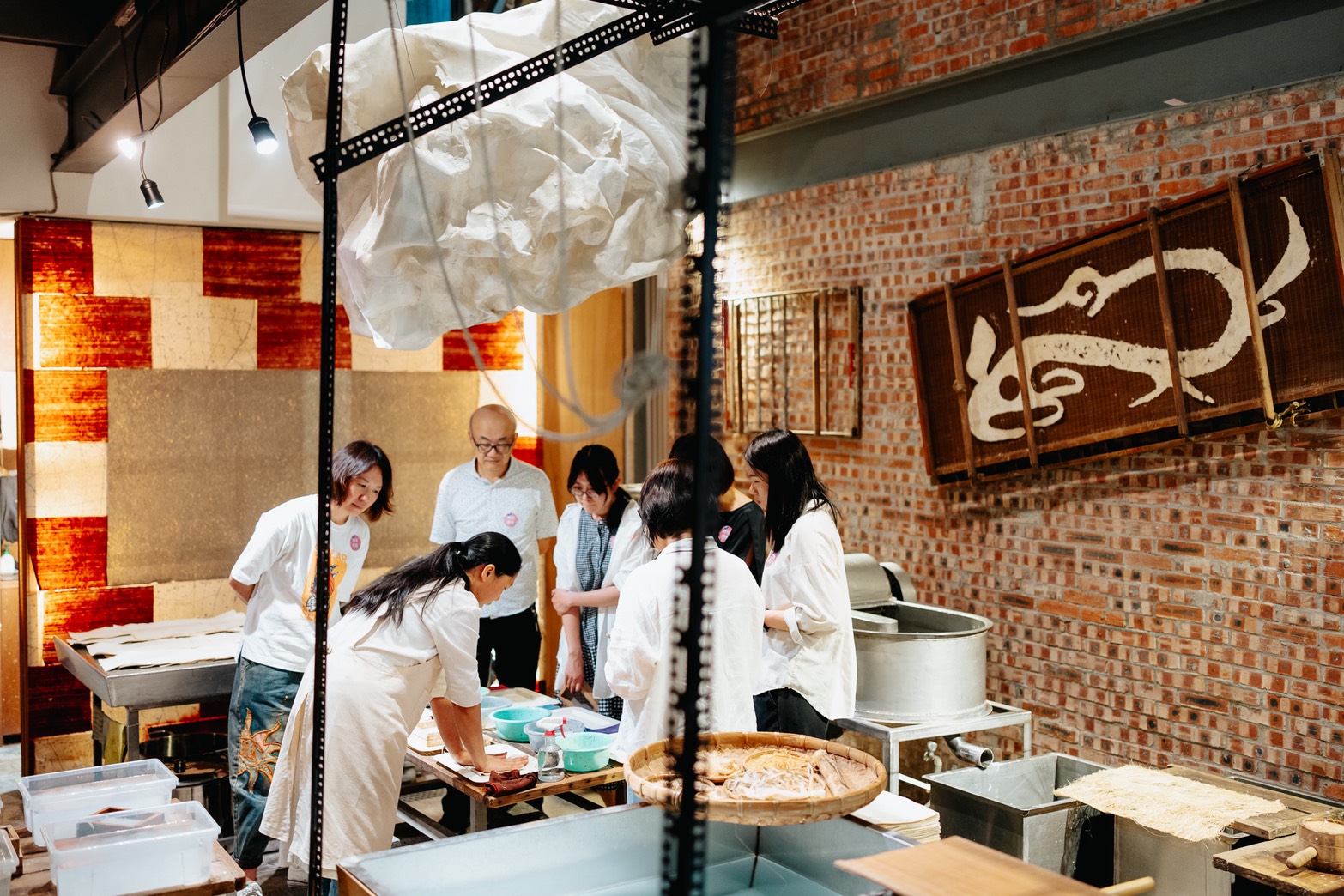
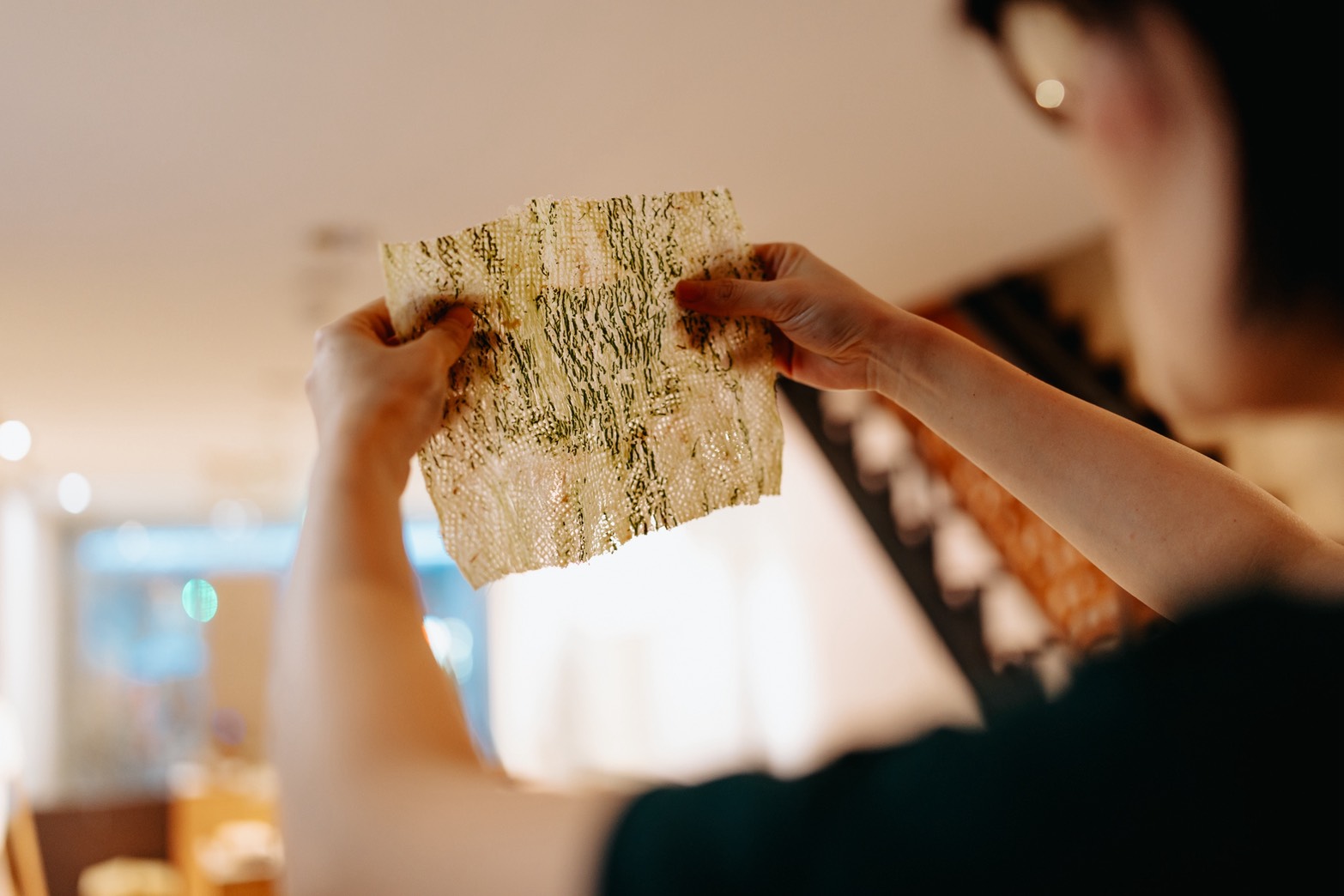
The grand finale was a papermaking workshop and museum tour, led by Huang Wen-Chuan, head of the cross-media crafts creator "Hybridise Bio Lab," and Hsu Shu-Tzu, head of the education and outreach group at the Tree Fire Memorial Paper Museum. The workshop introduced participants to natural fiber raw materials such as paper mulberry, bamboo, sugarcane, pineapple leaves, and abaca, guiding them to understand the origins, characteristics, textures, and grains of different paper materials, immersing them in the rich world of fibers. Afterwards, in addition to making their own paper mulberry bark cloth, participants further experienced the processes of deconstructing, reconstructing, soaking, and papermaking plant fibers to create their own unique handmade paper. They deeply felt the unique charm of papermaking, combining natural materials, local characteristics, creative design, and aesthetic practice—truly a rewarding and fulfilling day.
related articles