Interdisciplinary Aesthetic Education × Teacher Training Committee Special Issue 21 | Sports Appreciation: Guiding Students to "Read" Sports Materials
2026/04/23
The beauty of sports lies not only in the athletes' muscle lines or movement skills, but also in the atmosphere and emotional expression of the entire event.
This course was led by Assistant Professor Chen Hsin-Heng of the College of Teacher Education at National Taiwan Normal University. The professor used a "sports performance" as a starting point, guiding third- and fourth-year teacher trainees who were involved in or organizing the event to explore how to transform "sports appreciation" into a guideable and readable educational resource. Through the introduction of interdisciplinary aesthetics and design thinking, the teacher trainees were not only participants in sports but also translators and educators of the aesthetics of sports.
In the classroom, we try to redefine what elements are "worth watching" in a sporting event or performance from the dual perspectives of "spectator" and "performer".
1. From "Watching the Game" to "Reading the Sport": Establishing a Viewing Perspective
In the first phase of the course, the instructor guides student teachers to consider the factors influencing sports appreciation, having them watch videos and record noteworthy events and scenes. Student teachers are required to reflect on what they hope the audience will receive from a sports-themed performance. By clarifying the differences between the audience's and performer's perspectives, they begin to learn how to design a layered viewing experience.
2. Incorporate "Design Thinking": Empathize with the Audience's Sensory Needs
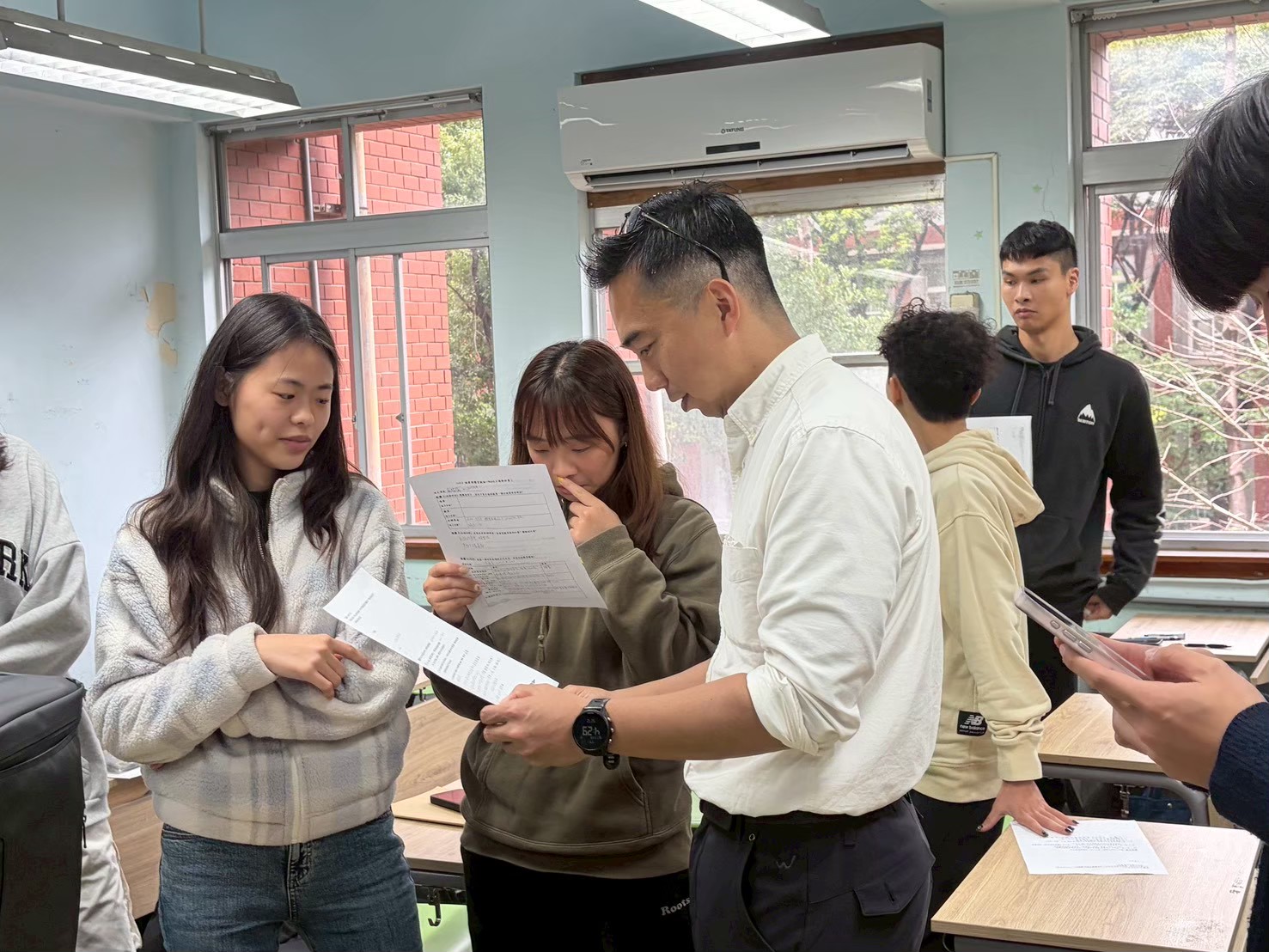
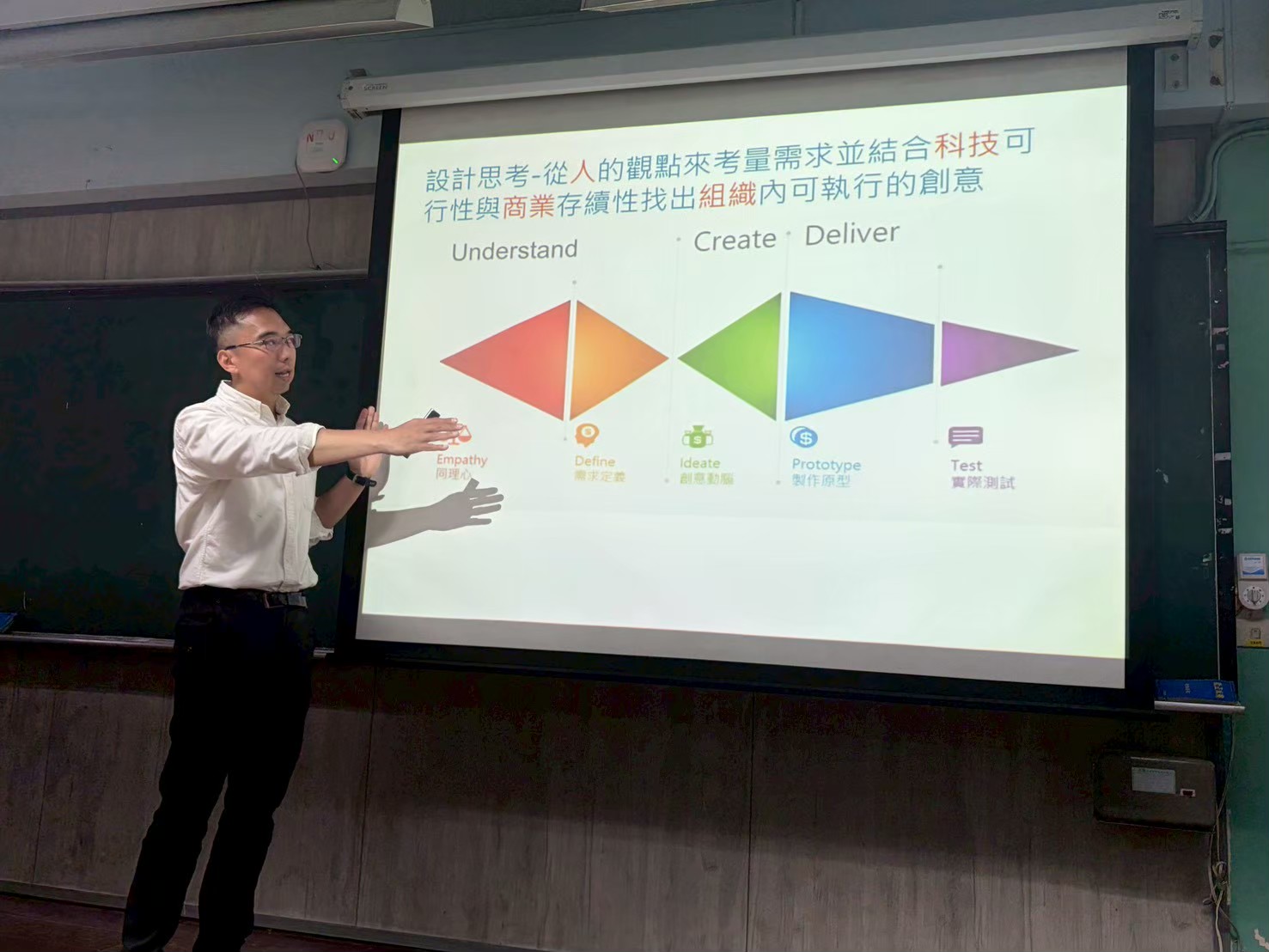
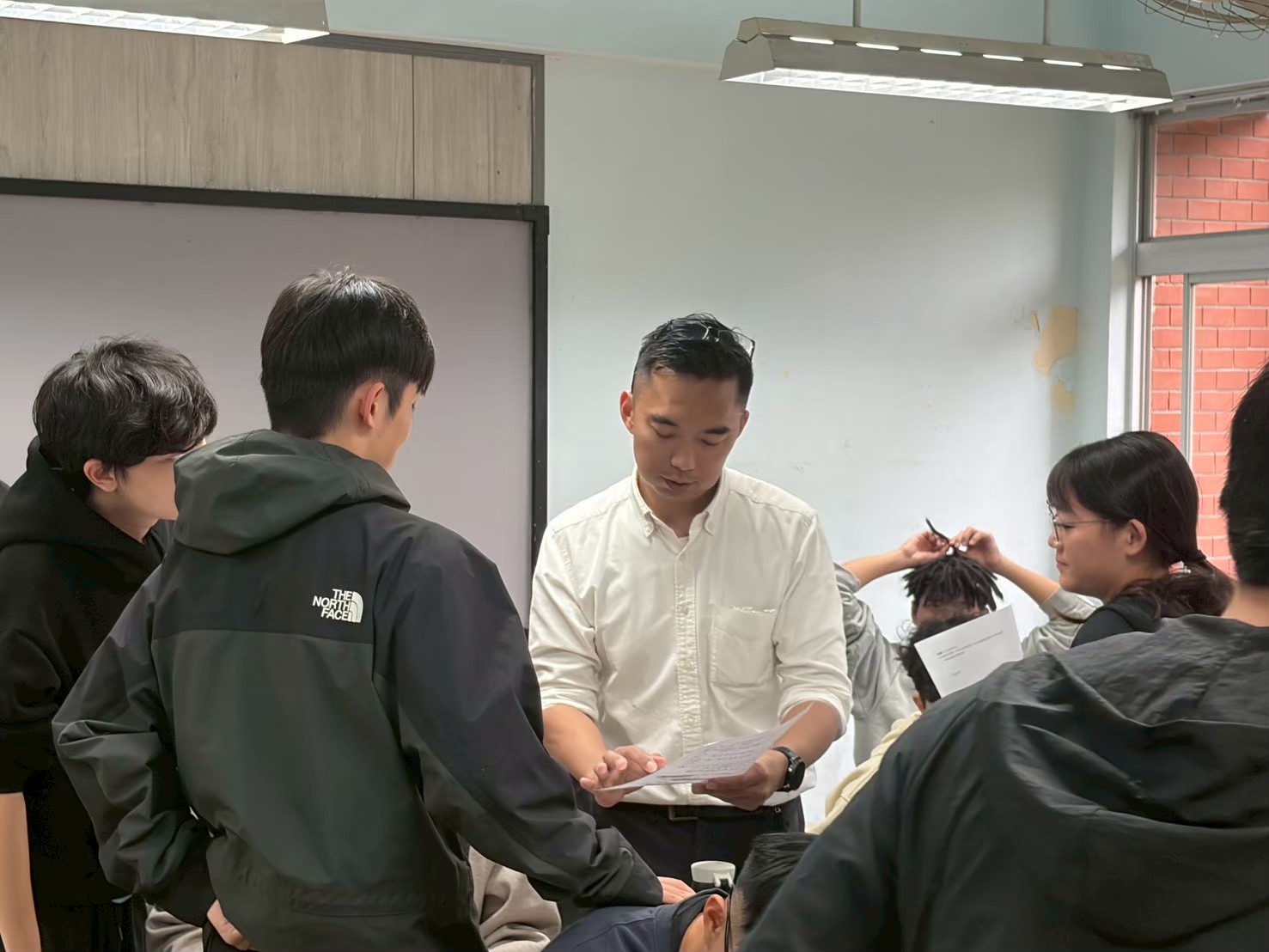
The core of the course introduces a design thinking model—starting with empathy, students first review their own pain points from watching different performances/games in the past, and then interview others about their viewing experiences. They then use these materials to re-empathize, define, and creatively brainstorm how to optimize the viewer experience in the process of organizing a sports performance.
3. From Watching to Appreciation: Ideas for Optimizing the Viewing Experience of Sports Performances
During group discussions, the faculty and students identified many areas for improvement, such as: how to help the audience better understand the performance content, how to select the key points of the performance, and how to facilitate faster and fair entry and guidance. Through these ideas, the faculty and students began to notice more factors affecting the viewing experience.
With the successful conclusion of this course and the sports performance, although the teacher trainees may not be able to immediately identify more pressing pain points or feasible action plans, through this guiding process, they began to realize the importance of thinking about aesthetic education activities from different perspectives. It is hoped that the teacher trainees can incorporate this interdisciplinary observational ability into future educational settings, allowing students to see beauty in sports and experience sports through aesthetics.