2026 Ministry of Education's Overseas Study Tour Program for Aesthetic Education Teachers—Exploring the Intersection of Traditional Crafts and Contemporary Art in a Renaissance City
2026/11/10
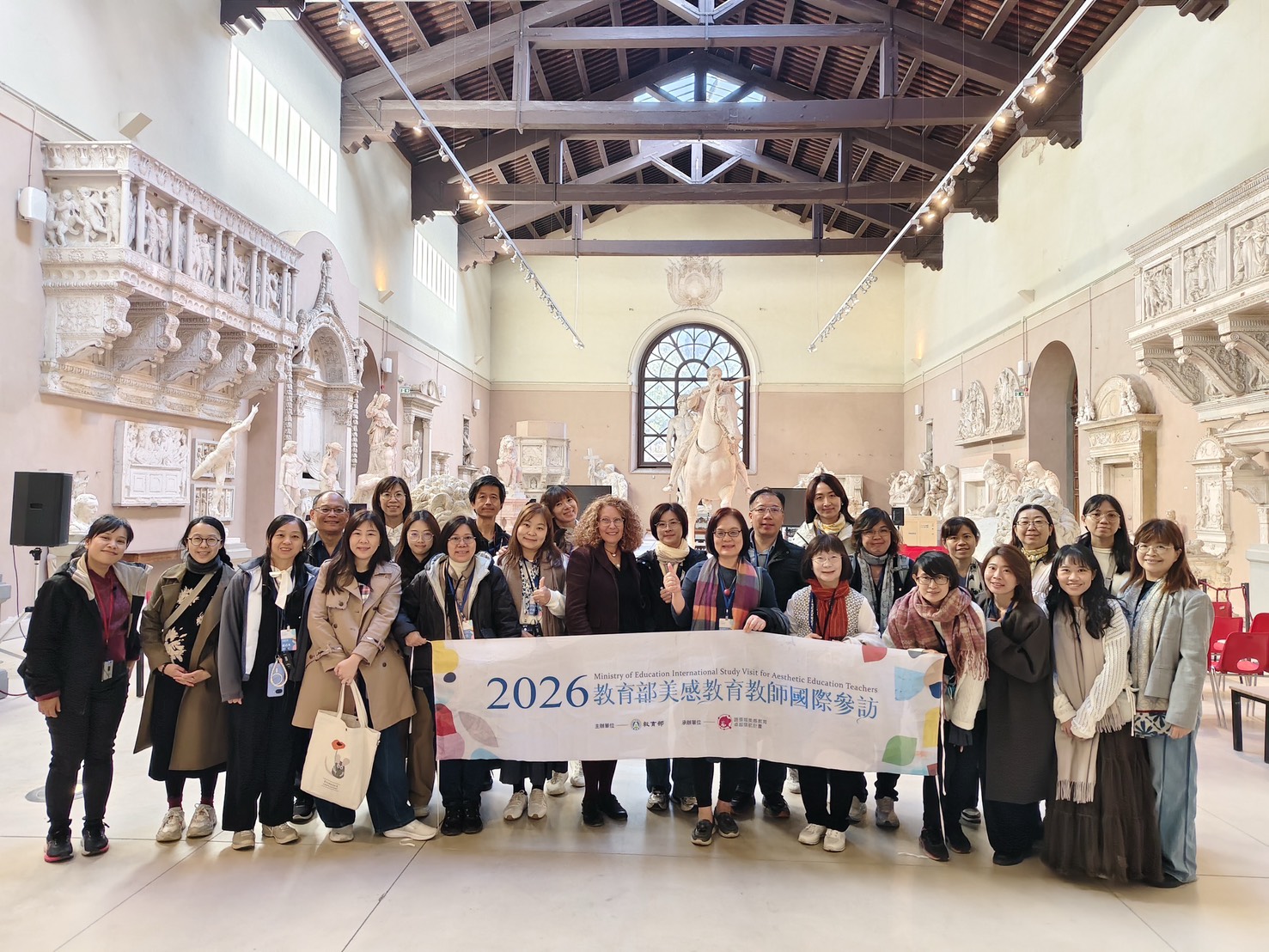
On the morning of November 3 (Tuesday), the Ministry of Education's International Delegation of Aesthetic Teachers visited the Florence Art High School (Liceo Artistico Statale Porta Romana e Sesto) in Italy for a visit and exchange that combined art history, traditional crafts and contemporary creation.
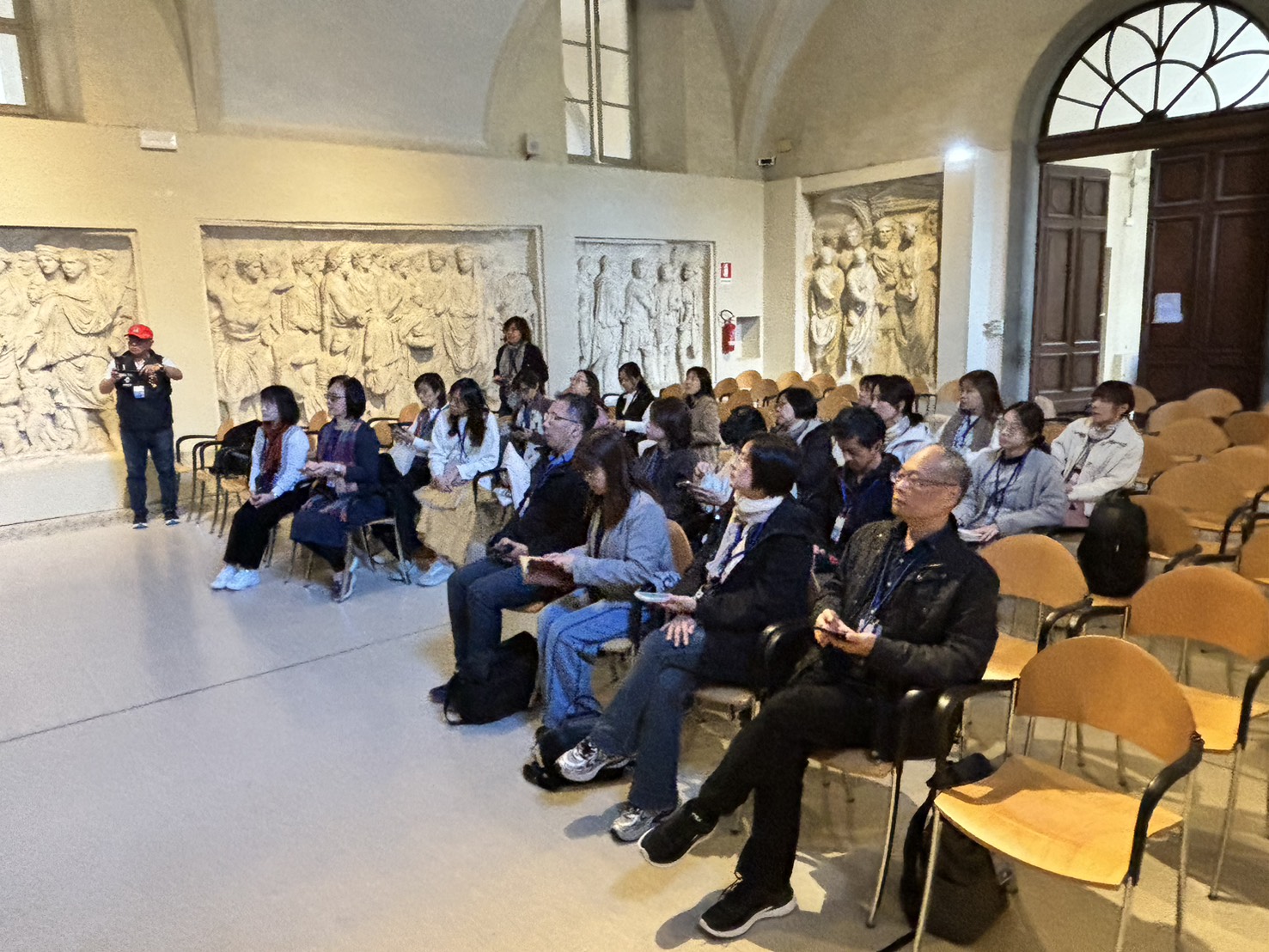
The school warmly welcomed the visiting teachers, first leading them to admire the replica of the Arch of Trajan (Arco di Traiano) from ancient Rome, housed in the school's auditorium. They then visited seven art workshops, learning about the unique features of each course and student work. Classroom observations were also arranged, allowing the teachers to closely observe how Italian art high schools plan their professional courses and how students accumulate artistic knowledge and creative abilities through practical experience.

Florence, a major birthplace of the Italian Renaissance, boasts numerous churches, museums, sculptures, and historical buildings. Art has long been intertwined with local life, culture, and craft industries. From Michelangelo's sculptures and Renaissance paintings to centuries-old metalworking, leatherworking, and printing techniques, the city has preserved a rich artistic heritage and shaped a cultural environment that values craftsmanship and aesthetic heritage.
Stepping into Florence High School for the Arts, one can feel how this cultural heritage extends into the campus and is transformed into daily learning resources for students.
The Florence Art High School is a five-year program with approximately 20 to 30 students per class. The curriculum is designed for a progressive learning experience. First and second-year students rotate through seven art workshops every three months, exploring different media and techniques to gradually discover their interests and creative directions. From the third year onwards, students choose a specialization to further develop their technical and design skills. Specializations cover sculpture, painting, mosaic, multimedia, fashion design, interior design, metalwork, and graphic arts, showcasing the diverse facets of artistic creation from traditional crafts to contemporary design.
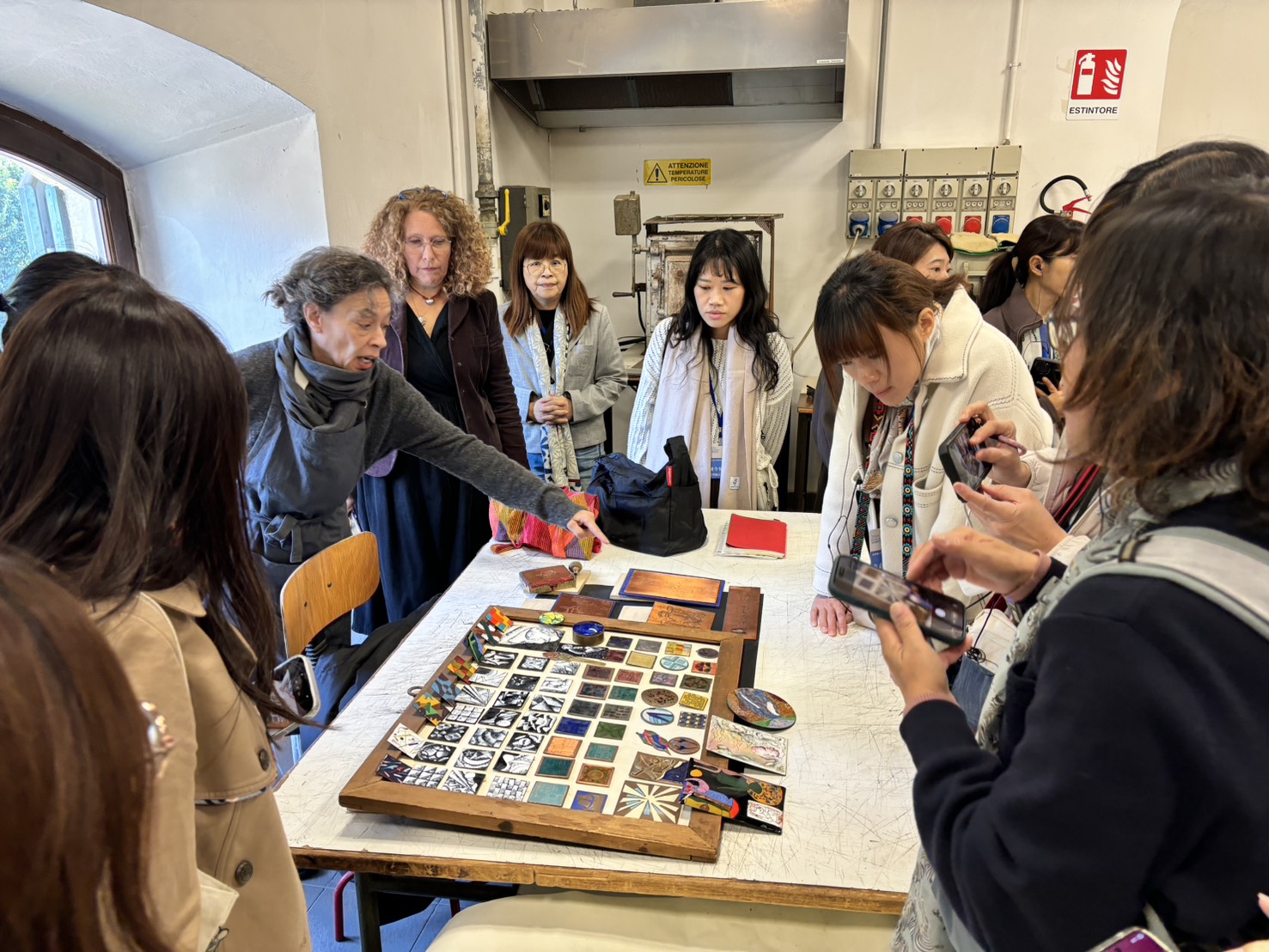
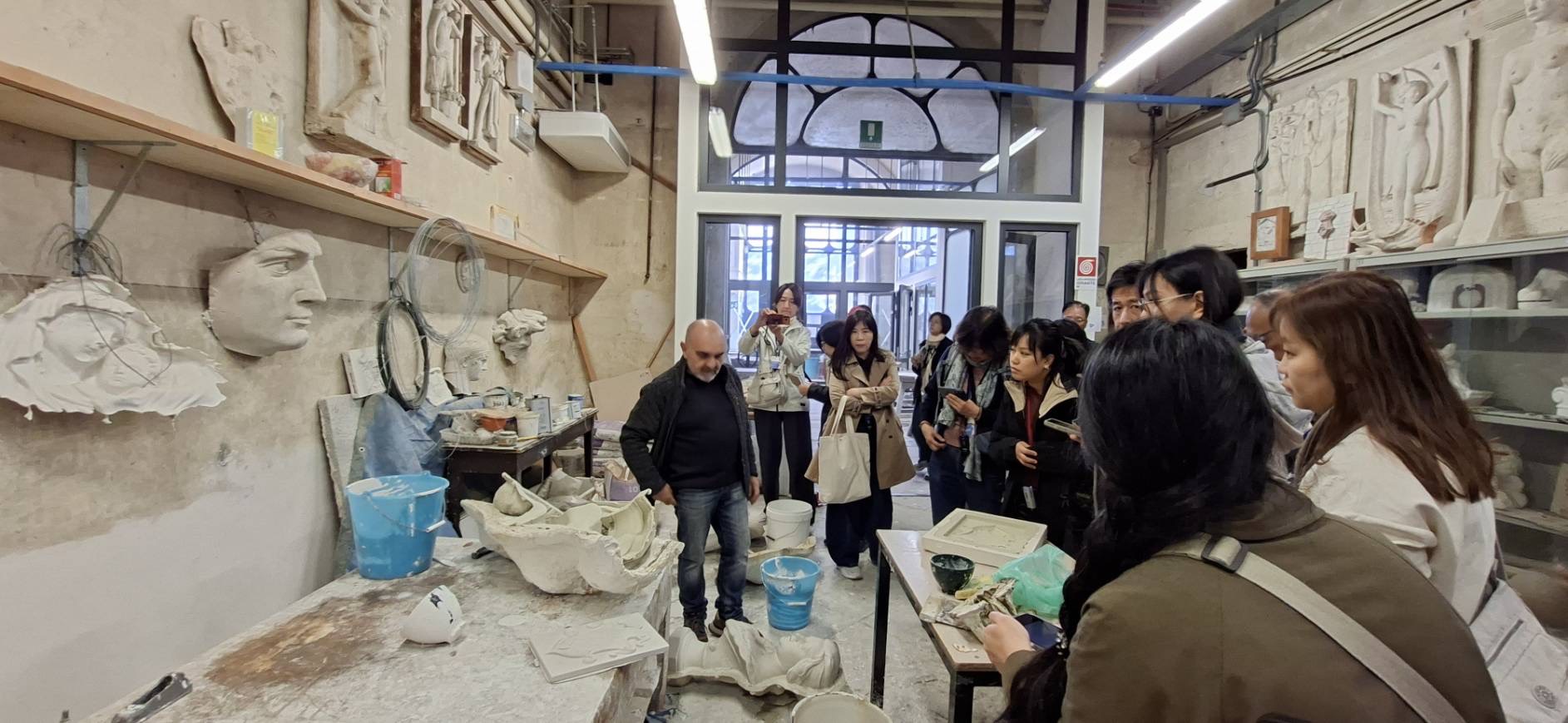
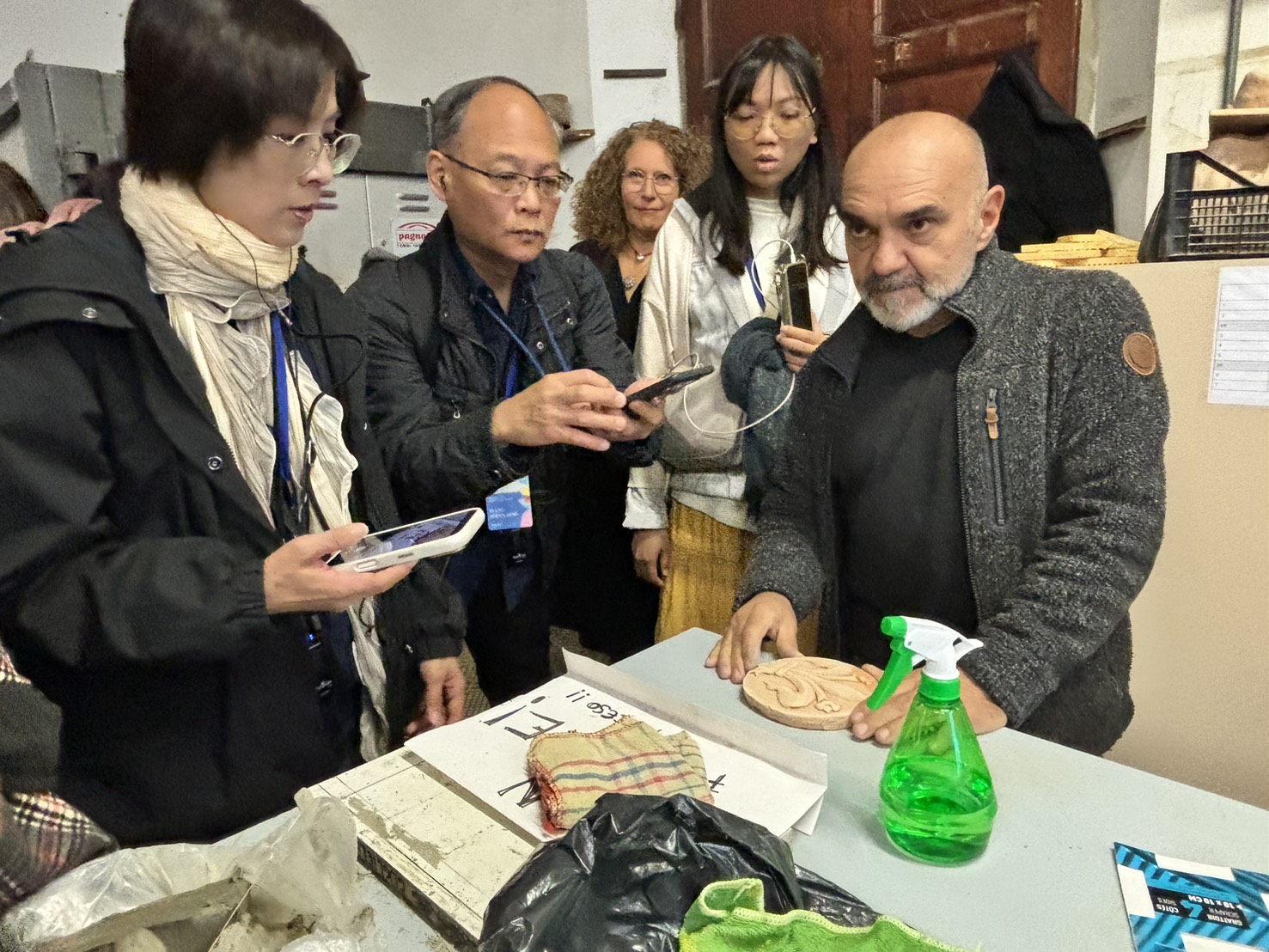
In the sculpture workshop, students practice basic block sculpting using iron-containing Tuscan terracotta. Starting with the material's properties, they experience the texture, weight, and plasticity of the clay through their hands, gradually mastering the proportions and structure of forms. The course aims to help students develop a sense of form while becoming familiar with the medium, and to make local materials an entry point for understanding regional culture.
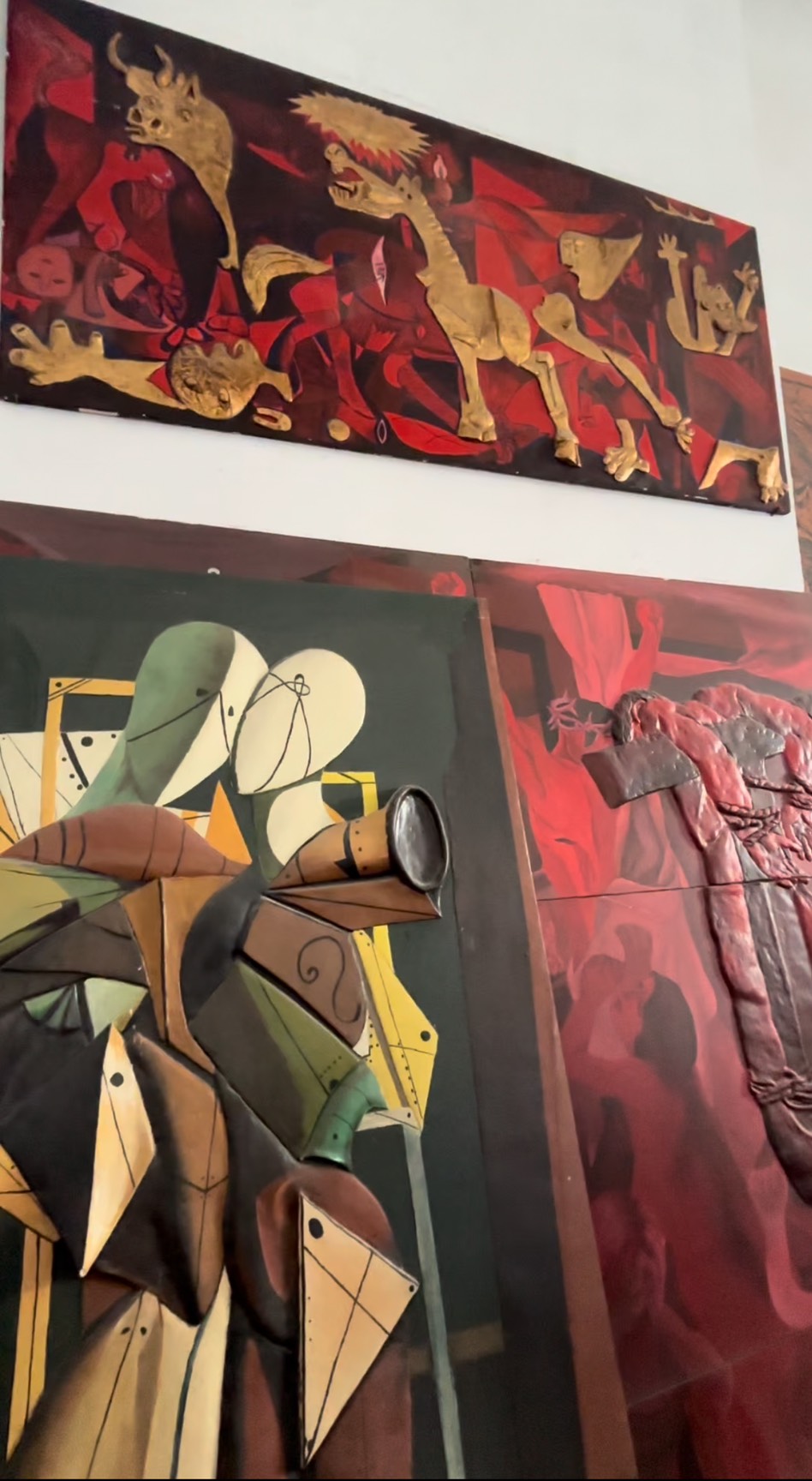
The painting class showcased another way of combining artistic expression with sensory experience. The school shared that fifth-grade students started by copying famous paintings, then further observed the textures and layers of different objects in the paintings. Through variations in height and material transformation, they transformed flat images into works with a three-dimensional, tactile feel. Viewers could not only appreciate the artwork visually but also understand its composition through touch. This creative approach echoes the concept of Art Accessibility, considering how to allow people with different sensory experiences and needs to approach and experience art.
In addition, the delegation visited metalworking and graphic arts/printing workshops. The metalworking course continued Italy's long-standing tradition of copper metalworking, allowing students to learn about the properties of metal materials and processing techniques through tool handling and detail work. The graphic arts/printing workshop showcased the process of creating copperplate and lithographic prints, from plate preparation and image transfer to the final printed product, allowing teachers to see how traditional printing techniques can be continuously passed down in modern school education. These workshops preserved the patience and precision required for handcrafted skills and gave students the opportunity to understand the relationship between materials, tools, and creation.
In its curriculum planning, the school emphasizes the mutual support between academic and practical subjects, with a ratio of approximately six to four. In addition to professional practical courses, art history is a compulsory subject for all students, covering a range from prehistoric art and ancient Greek art to contemporary art. After understanding the artistic styles, cultural backgrounds, and forms of expression of different eras, students are able to apply historical knowledge to their creative thinking. The professional studies in the third to fifth years gradually move from establishing a solid foundation in techniques to developing creative ideas, design planning, and professional practice, enabling students to establish a complete learning framework between theory and practice.
During the visit and exchange, the Taiwanese teachers also discussed the school's art resources and teaching plans. The replica of the ancient Roman triumphal arch in the auditorium particularly impressed the teachers.
By bringing classic sculptures into the campus, students can observe, draw, and copy them up close, transforming artworks that might otherwise only be viewed in museums into accessible learning materials for everyday life. Furthermore, the school combines traditional crafts with modern design, and through collaborative projects with art galleries and the government, provides students with access to a wider range of art practice opportunities—a teaching feature that teachers also focus on.
The visiting teachers also shared that many art high schools and vocational schools in Taiwan have well-equipped professional workshops and practical facilities, possessing similar teaching foundations. Florence Art High School, however, offered valuable insights in its workshop space planning, learning atmosphere creation, and utilization of art and cultural resources. How to truly integrate professional equipment into the curriculum, allowing students to accumulate creative experience in the space, and further connecting local culture with contemporary design, is an important reflection brought back from this exchange.
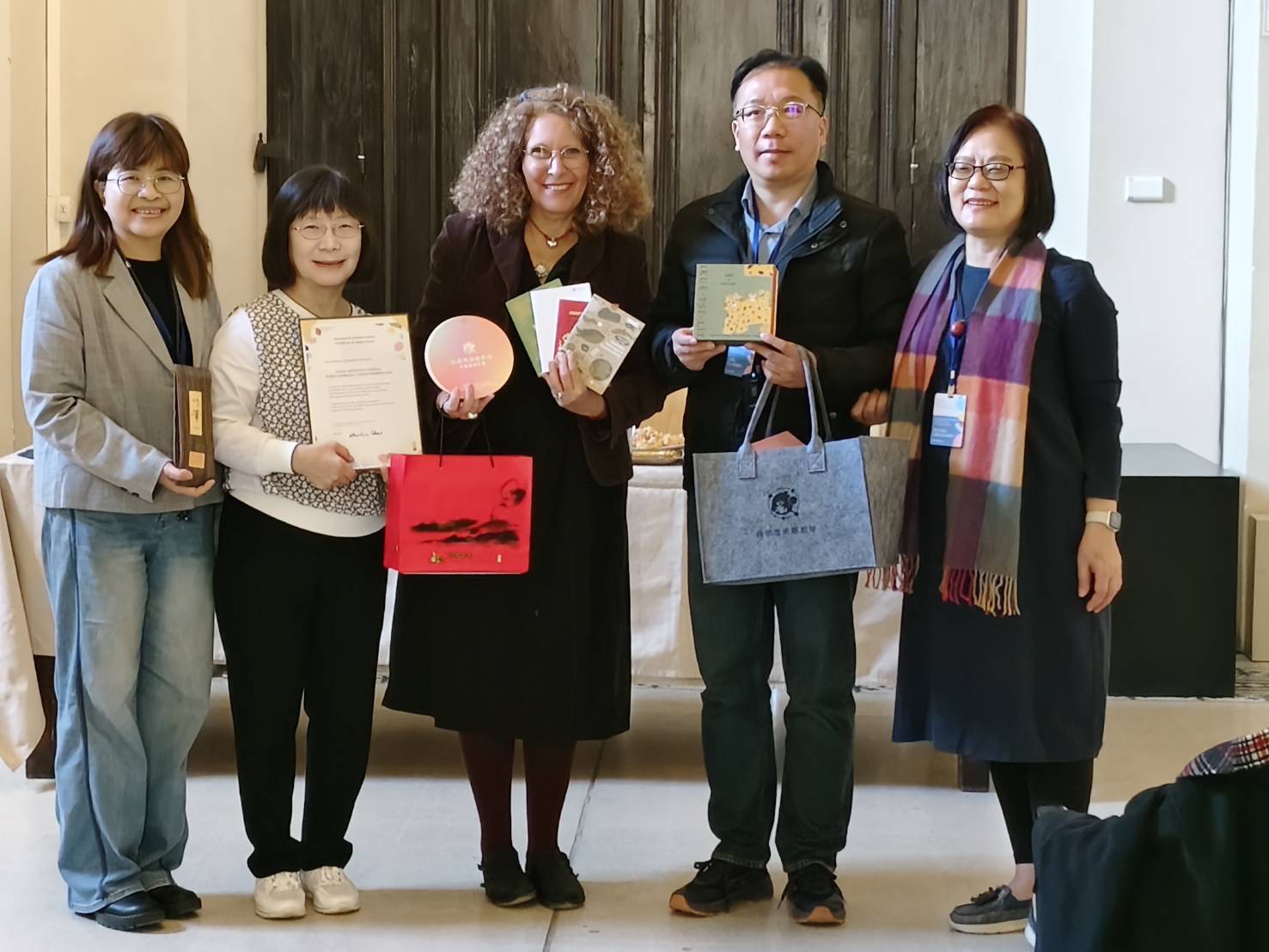
The morning's visit, ranging from ancient Roman sculptures and traditional Italian metalwork and printmaking techniques to students' contemporary creations and professional curriculum planning, showcased how the Florence School of the Arts transforms its rich artistic and cultural heritage into concrete teaching content. When historical works become learning materials, and when traditional techniques are continuously manipulated and reinterpreted in workshops, art continues in the hands of different generations, providing students with more possibilities for creation and understanding of the world.