Starting from the local and connecting the international: Collaborative schools in the Taipei-New Taipei-Keelung-Yilan area showcase fruitful results in cross-disciplinary aesthetic education.
2026/04/20
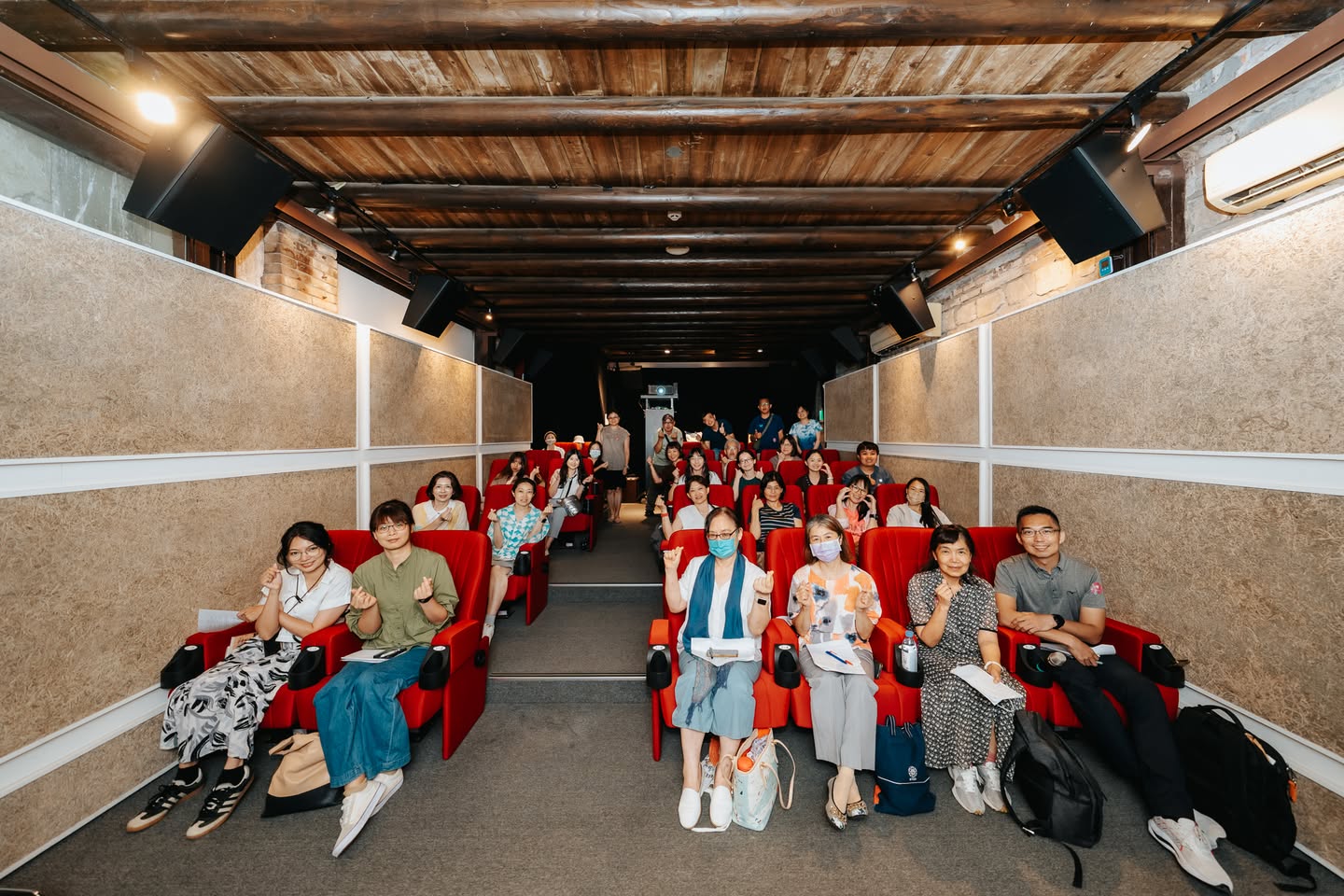
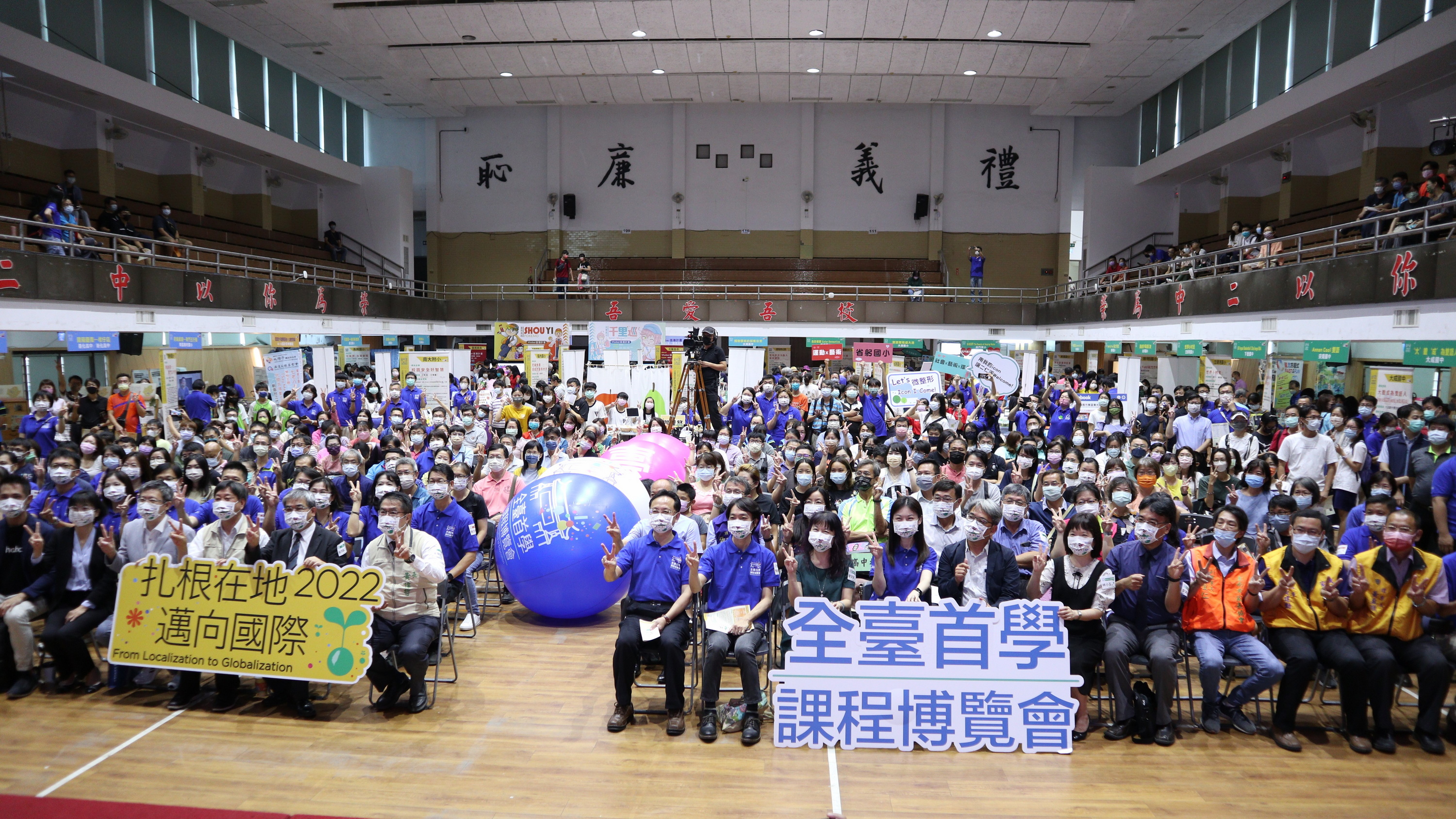
The "2023 Academic Year Taipei-New Taipei-Keelung-Yilan Area Collaborative Schools' Cross-Domain Aesthetic Achievements Presentation – Wanhua Session" was held on June 24th in the Bopiliao Historic District of Wanhua District. A total of 17 schools gathered to present their outstanding curriculum achievements, which integrated local characteristics with international issues. The curriculum covered crafts, photography, ecology, bilingualism, community service, food education, and technology, combining Sustainable Development Goals (SDGs) and Social-Emotional Learning (SEL) with various themes, showcasing cross-school, cross-domain, and cross-national exchange and cooperation.
The event was hosted by Professor Huang Chun-min, co-host of the project. Associate Professor Shih Lan-mei from the Department of History at National Taiwan Normal University, and Assistant Professor Chen Hsin-heng from the Teacher Training Institute, both members of the teacher training committee, participated in the feedback and evaluation sessions. Curriculum Supervisor Chu Jui-chen from the Yilan County Elementary Education Counseling Group also graced the event with her presence, witnessing the fruitful results achieved by teachers from the participating schools in promoting interdisciplinary aesthetic education in the classroom.
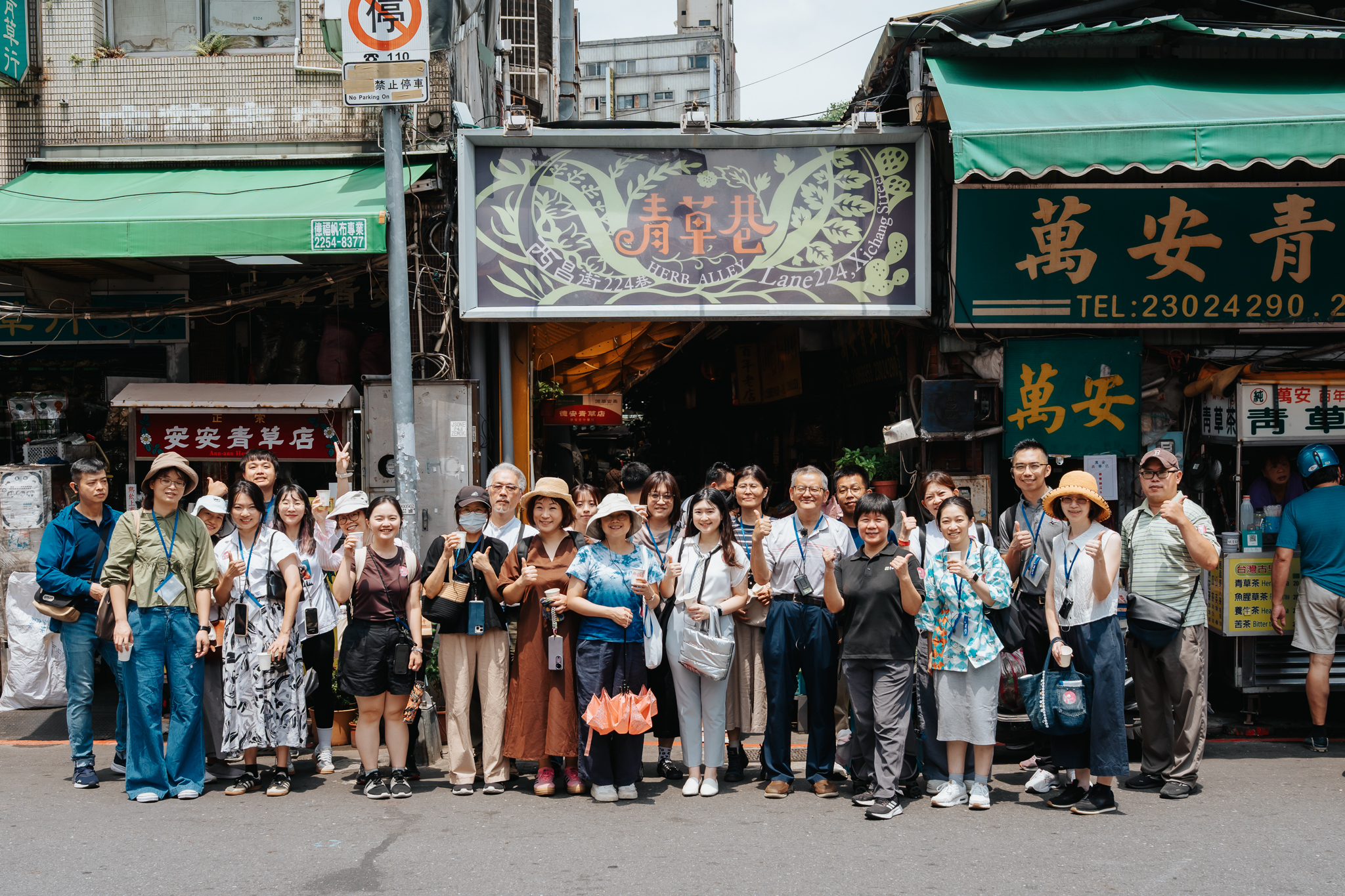
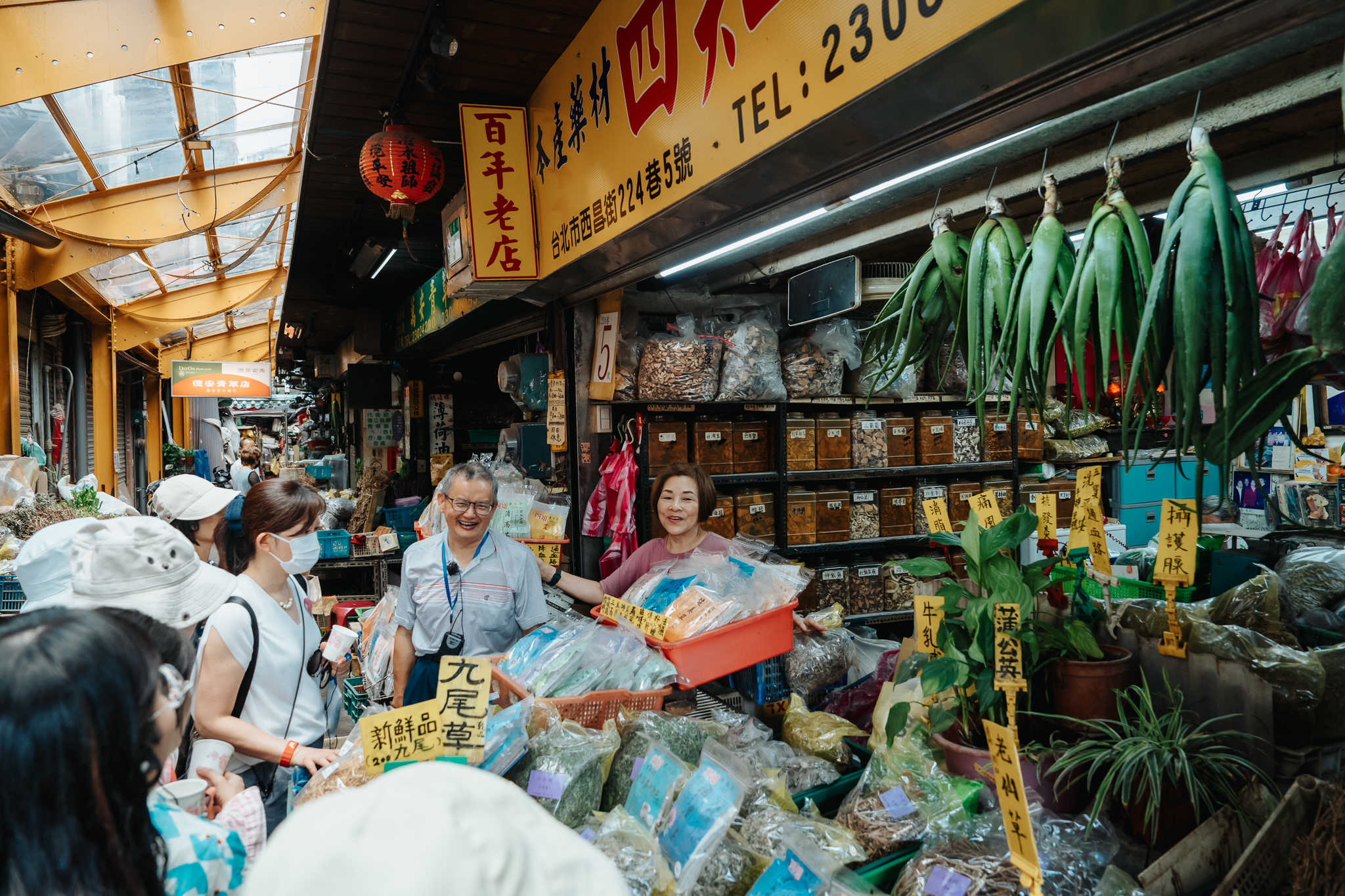
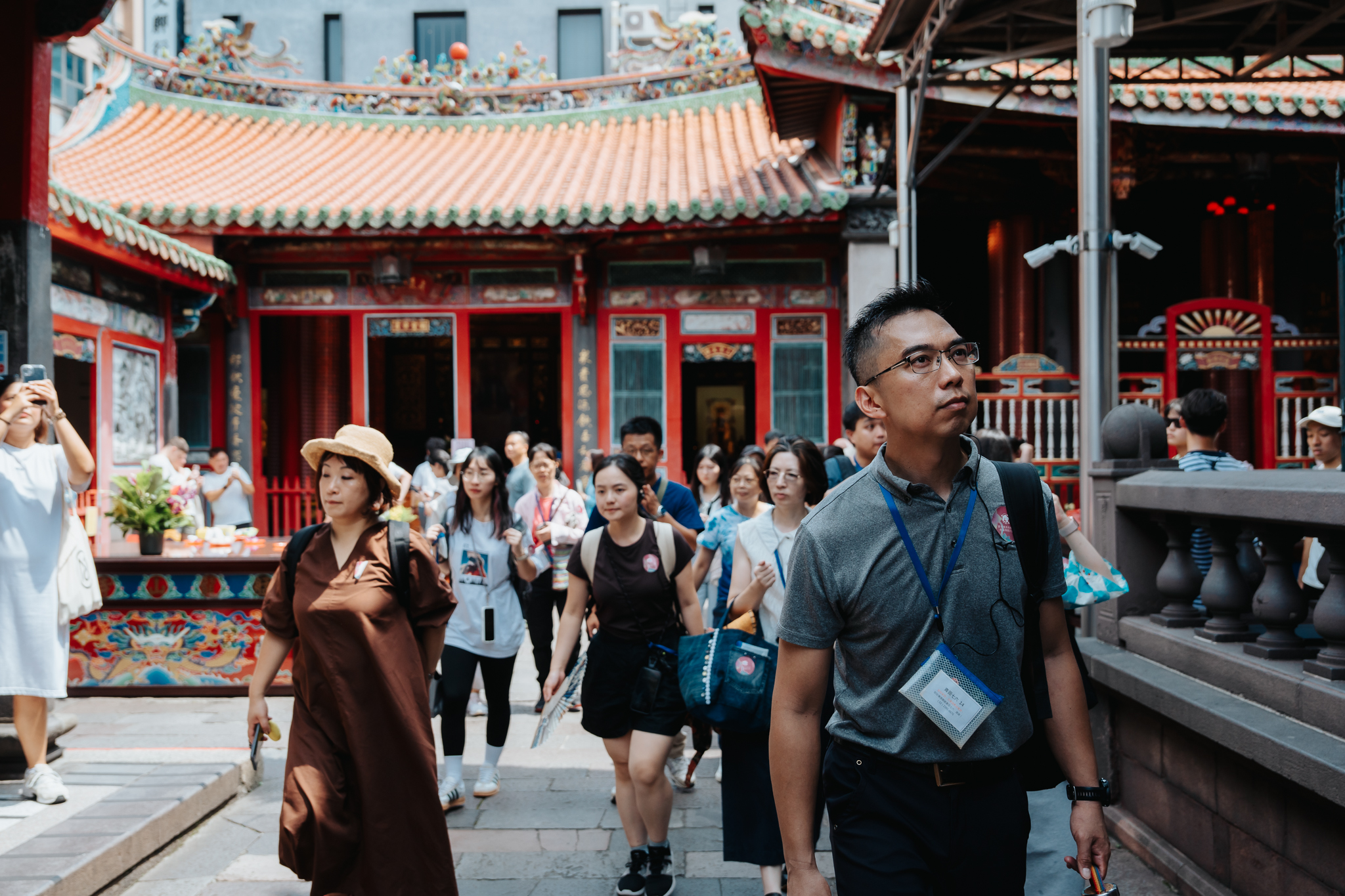
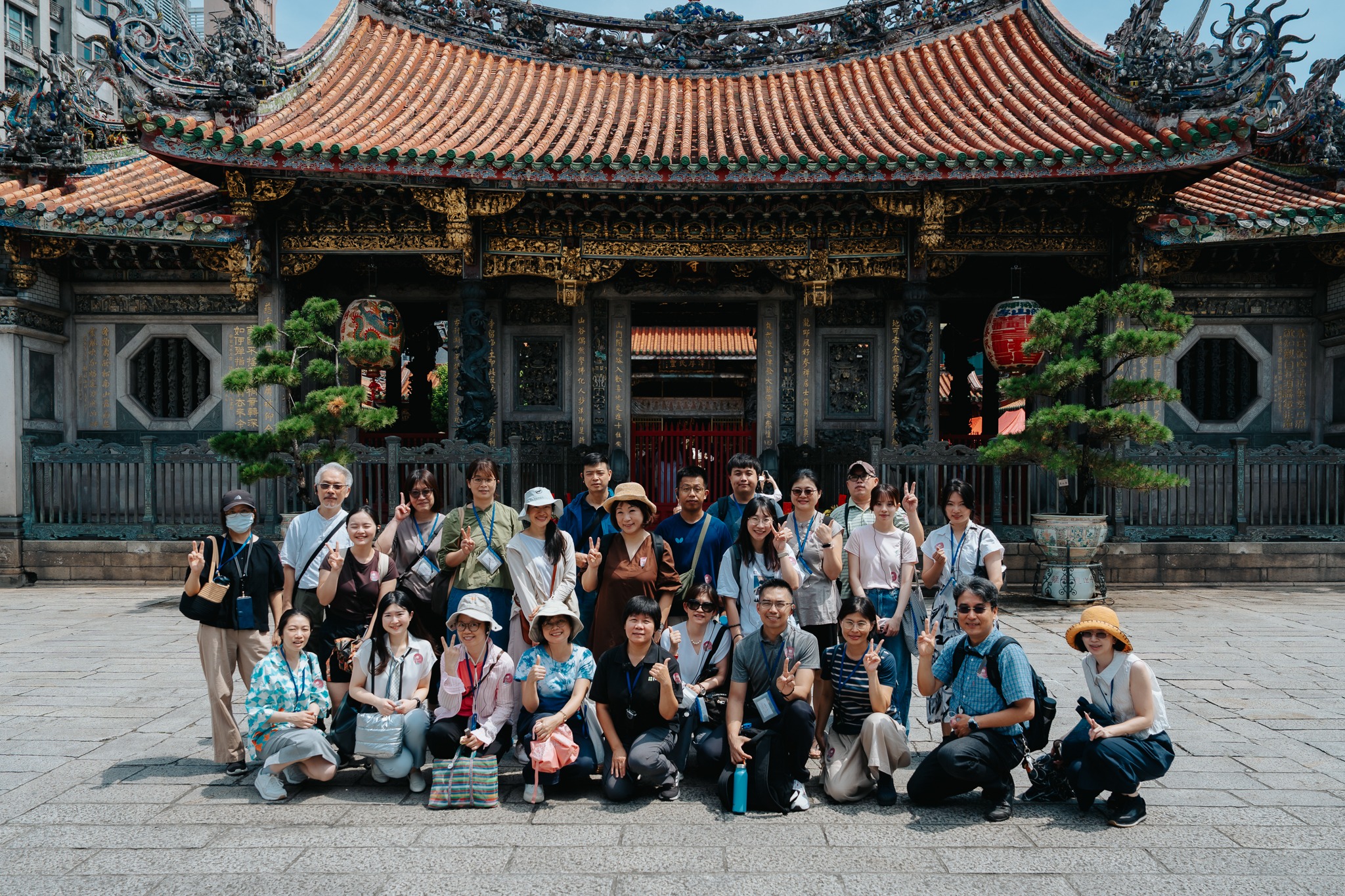
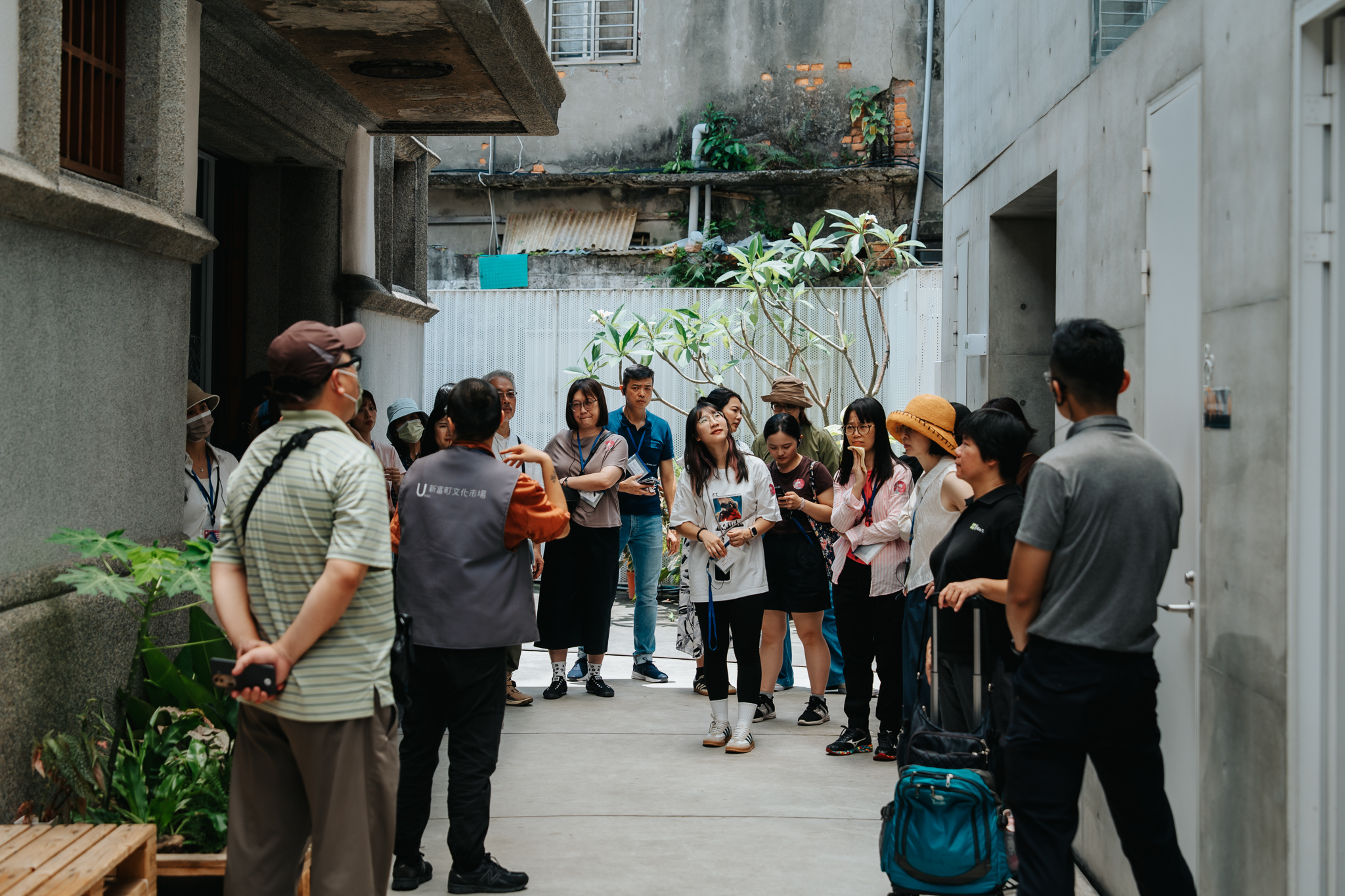
The morning's activities began with a "Wanhua Walk," where co-host Professor Li Qichang led participating teachers through the historical fabric of Wanhua District. They explored Longshan Temple, an important religious center with over 300 years of history, learned about Renji Hospital, which is deeply intertwined with local history, visited Qingcao Lane, renowned for its herbal medicine culture, and the Xinfu Town Cultural Market, a representative of early modernist architecture in Taipei. Wanhua boasts not only the stories of hundreds of teahouses but also the legacy of century-old herbal shops, all condensed over time into a unique and captivating landscape. The teachers wandered through Wanhua's old streets and alleys, feeling the pulse of history and the rise and fall of prosperity. This experience embodied Professor Huang Chunmin's statement that "the most profound aesthetic education begins in local historical districts," opening up more possibilities for aesthetic education through firsthand experience of everyday life.
In the afternoon, teachers from various schools took turns to share their teaching achievements, with many highlights: Keelung Shenmei Elementary School gave back to its hometown by designing a sustainable city with recycled materials; Yilan Neicheng Huayu Branch School combined ecological education with art to create an insect hotel; Luodong Gongzheng Elementary School and Taipei Jiaotong University Elementary School promoted sustainable learning with marine issues; New Taipei Yongping Senior High School used curatorial courses to explore themselves; Taipei Jingmei Junior High School combined writing and creation with human rights and gender issues; New Taipei Yongfu Elementary School integrated social emotional learning into the bilingual art curriculum; Taipei Ren'ai Elementary School started international exchanges with Taiwan image art creation; Taipei Fuxing Senior High School designed cultural and creative products and integrated them with the Aodi fishermen's charity activities; Tamsui Culture Elementary School and Taipei Zhishan Junior High School guided students to experience beauty in life and integrated food education into the curriculum; New Taipei Zhongping Junior High School created a picture book with the theme of world architecture; New Taipei Fuxing Commercial and Industrial and Sanzhi Junior High School integrated AI technology into art teaching; New Taipei Ren'ai Elementary School, Banqiao Zhongshan Elementary School, and Zhonghe Fuxing Elementary School respectively used bronze mirrors, weaving and indigo dyeing techniques to develop cross-domain courses.
This cross-disciplinary aesthetic achievement presentation was an aesthetic journey initiated by education—showcasing the beauty of psychology, the beauty of social relationships, and the beauty of practical craftsmanship. These diverse aspects of beauty intertwine and take shape within this educational landscape, weaving together a genuine and profound learning experience. It is hoped that teachers will start from local characteristics or approach the topic from a humanistic perspective, organically integrating the UN Sustainable Development Goals (SDGs), Social-Emotional Learning (SEL), and the 19 topics of the 12-year compulsory education curriculum into their curriculum design, continuously connecting with the international community and creating limitless possibilities for cross-disciplinary aesthetic education.