Interdisciplinary Aesthetic Education × Teacher Training Committee Special Issue 23 | Between Singing, Moving, and Performing: Finding Resonance in Interdisciplinary Aesthetics
2026/06/03
When opera, theater, and education intersect, art becomes a force for self-understanding and connecting with others! Through repeated physical and vocal exercises, one can rediscover how art integrates into communication between people.
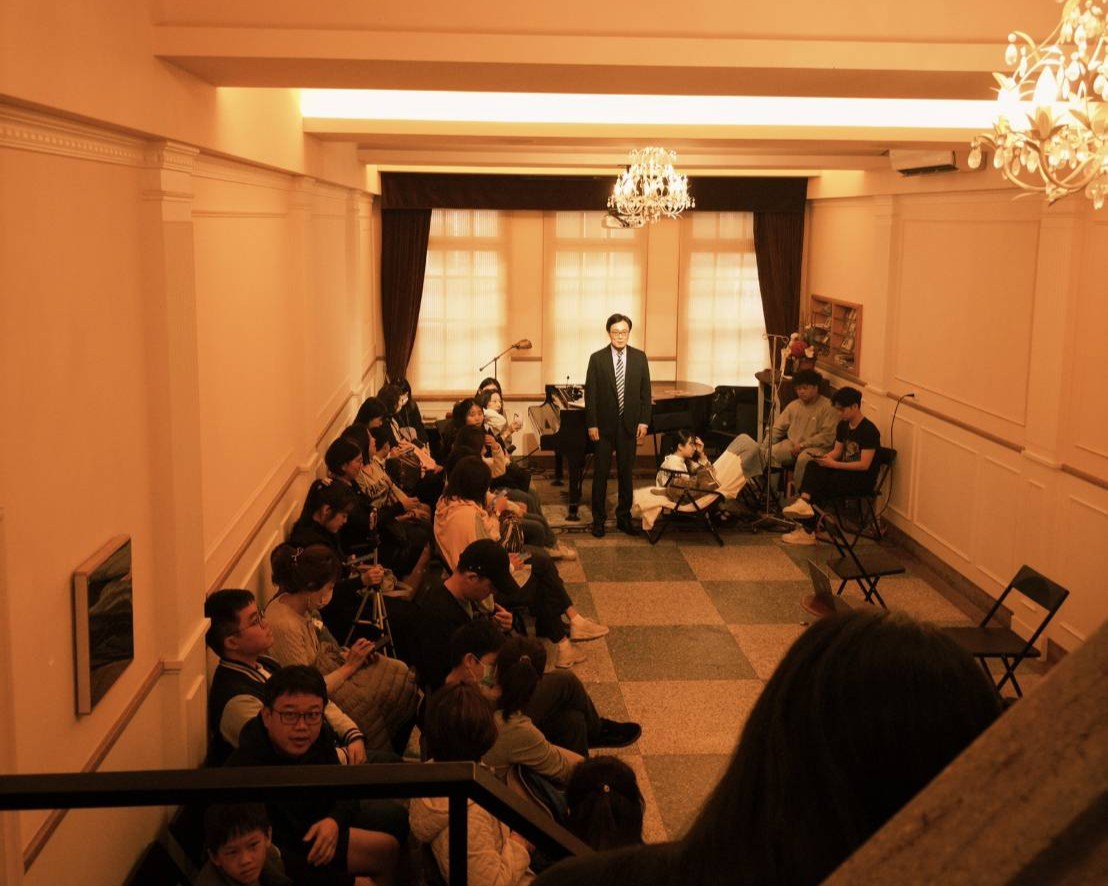
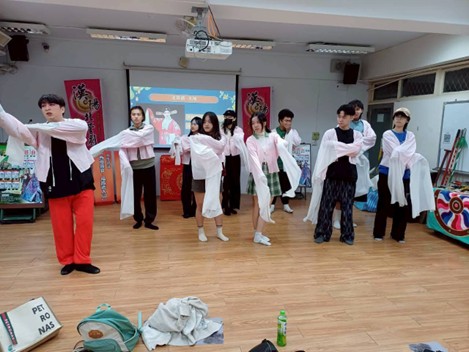
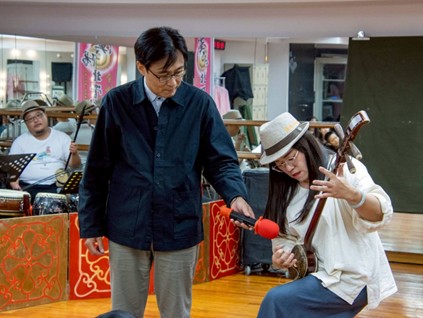
In the 2015-2016 academic year, Dean Chang Lien-Chiang of the Department of Drama at the National Taiwan University of Arts led faculty and students on a profound creative journey combining theory, practice, and personal experience, under the theme "Between Singing, Moving, and Acting: Finding Resonance in Cross-Domain Aesthetics!" The course went beyond classroom discussions, reaching into the community and demonstrating fundamental opera skills through interdisciplinary performances, creating a genuine and moving connection between traditional art and modern education. As faculty and students learned the spirit of "singing, reciting, acting, and acrobatics" amidst the sounds of gongs and drums and the rhythm of movements, they also gained a renewed understanding of the warmth and value of arts education through interaction with community members.
This course also includes two in-depth workshops, guiding faculty and students to explore the possibilities of interdisciplinary arts education from different perspectives. In the course "Innovation and Practice of Interdisciplinary Opera Music in Traditional Theater Troupes," the instructor shared practical creative experience on how opera music can be integrated into modern theaters and educational settings, allowing students to feel that traditional culture is not a distant history, but a creative energy that can be continuously transformed and regenerated. The course "The Importance and Rooting of Traditional Opera Movements in Physical Training" uses subtle physical guidance to help faculty and students understand that the body is language, and that movement is not just a performance technique, but also a carrier of emotions and culture.
Furthermore, the course incorporates elements of youth theater and drama therapy, guiding participants to create, discuss, and perform works based on issues both inside and outside the school. Through repeated rehearsals and role-playing, student teachers learn to listen to themselves and understand the emotions and life experiences of others. The integration of drama therapy elements further fosters team trust and deep dialogue among participants through holistic awareness, cultivating empathy and companionship—qualities crucial for future educational settings.
This interdisciplinary art practice was not just a course, but a tempering of the original aspiration of education. Through singing, moving, and performing, teachers and students gradually discovered the power of the intersection of art and education, and accumulated the most authentic and profound practical experience for future teaching.