
Interdisciplinary Aesthetics Project × Teacher Training Committee Special Issue 26 | Tsinghua University General Education Courses Explore Cultural Memory Through Sound to Cultivate Students' Interdisciplinary Aesthetic Perception and Teaching Transformation Abilities
2026/06/03
Associate Professor Meng-Heng Chen of the Department of Music at National Tsing Hua University, a member of the Teacher Training Committee, attempted to guide students to re-understand the possibilities of music education in the general education course "Understanding Art: Music".
Students taking this course come from all departments across the university, including teacher trainees. Therefore, the course does not focus solely on professional music training. Instead, it guides students from different backgrounds to understand how sound connects with life, land, faith, environment, and culture through music appreciation, soundscape acquisition, and interdisciplinary creation, drawing on their own professional and life experiences.
For teacher trainees, this learning experience also provides important inspiration for future teaching: music and art are not just knowledge content of a single subject, but can also become a method to guide students to observe life, understand culture, express emotions and cultivate empathy.
The course centers on "listening" as a core competency. Students begin with classical music appreciation, learning to identify timbre, rhythm, melody, emotion, and spatial awareness. They then venture into campuses, neighborhoods, temples, markets, and urban environments to collect everyday sounds. These seemingly ordinary sounds, after guidance and discussion, become important clues for understanding cultural memory and local life.
With the assistance of teacher Shih Mei-fen's expertise in AI and soundscape collection, the course also incorporated technological applications and sound analysis. Students attempted to combine environmental recordings, everyday sounds, AI-generated soundscapes, and music appreciation experiences to develop their own sound works, and also considered how technology can become a way to re-listen to the world.
This general education course is divided into four phases to cultivate students' ability to transform music appreciation, local culture, technological applications, and interdisciplinary aesthetic experiences into life observation, cultural understanding, and future instructional design.
Phase 1: Developing Listening Skills Through Music Appreciation
Guiding students to hear timbre, rhythm, emotion, and vocal layers helps them understand how sound conveys emotions; for teacher trainees, it also serves as an important foundation for future music listening and aesthetic teaching.
Phase Two: From Soundscapes of Daily Life to Local Cultural Observation
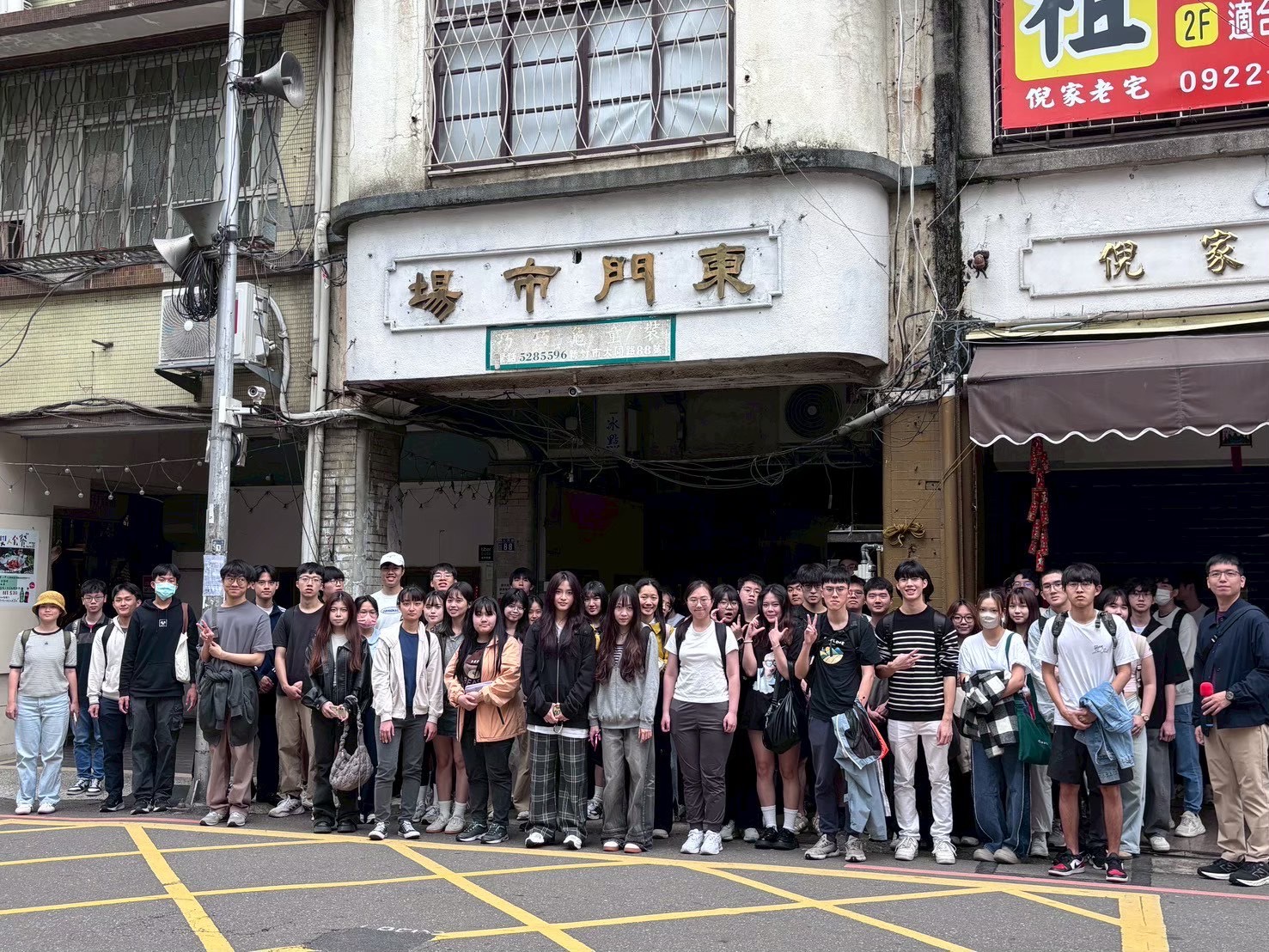
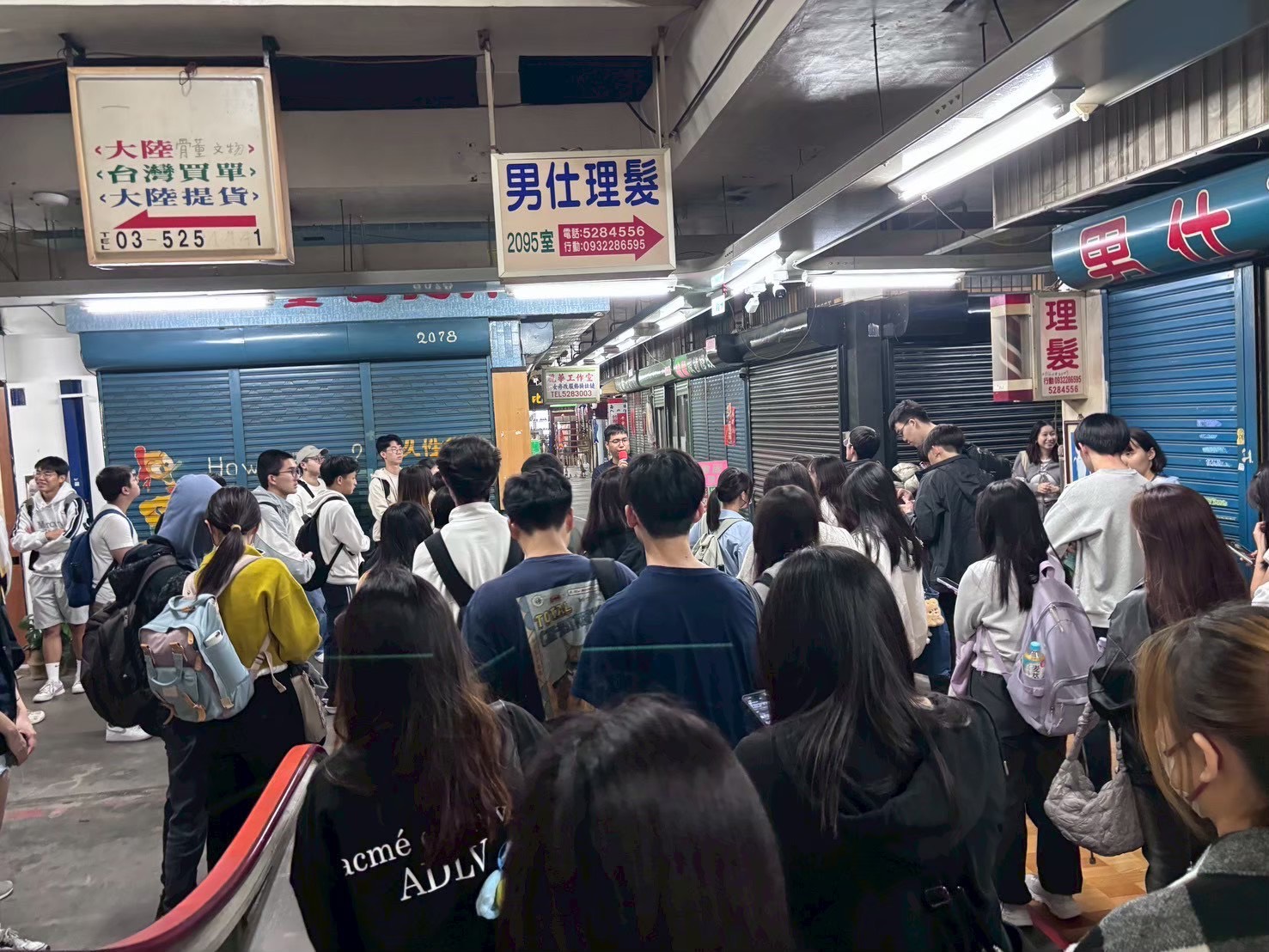
Students collect sounds from the campus, temples, markets, or daily life, using sound as material for cultural observation. They learn to discover beauty in their living environment and understand the people, memories, and local culture behind the sounds.
Phase 3: Combining AI sound analysis with cross-domain creation
Students use AI sound analysis and soundscape acquisition to combine environmental sounds, musical elements and technological tools to develop interdisciplinary creations and think about the connection between art, technology, environment and cultural memory.
Phase Four: Transforming into Sharing, Presentation, and Imaginative Teaching Practices
Students share their listening experiences through presentations and discussions of their work. Teacher trainees further explore how to use sound as a teaching medium to guide future primary and secondary school students in observing life, expressing feelings, and understanding culture.
The most important message this general education course aims to convey is that music education doesn't necessarily begin with professional skills; it can also begin with "hearing life." When students can hear the sounds of temple bells and drums, the sounds of people in the market, the wind on campus, and the sounds of everyday objects, and understand the culture, memories, and emotions they carry, music appreciation transcends mere classroom knowledge and becomes a way of understanding the world.
Sound may fade, but cultural memory can be preserved through listening. For general education, this is more than just a music appreciation class; for teacher training, it is also a journey of learning how to become a guide to aesthetic appreciation.