
Interdisciplinary Aesthetic Education × Social-Emotional Learning Treasure Box
<Interdisciplinary Aesthetic Education × Social-Emotional Learning Treasure Trove Website>
The Multi-Treasure Box is based on the core concept of interdisciplinary aesthetic literacy and socio-emotional learning. Starting from the aesthetic elements of disciplines such as visual arts, music and performing arts, it constructs a flexible and operable teaching aid through diverse teaching materials such as cards, expansion kits, learning activity designs and assessment tools.
We hope to use art as a bridge to carry out a learning process that combines perception, expression, understanding and action, so that students can cultivate the ability and qualities to respond to the future world through aesthetic experiences.
Development orientation and process
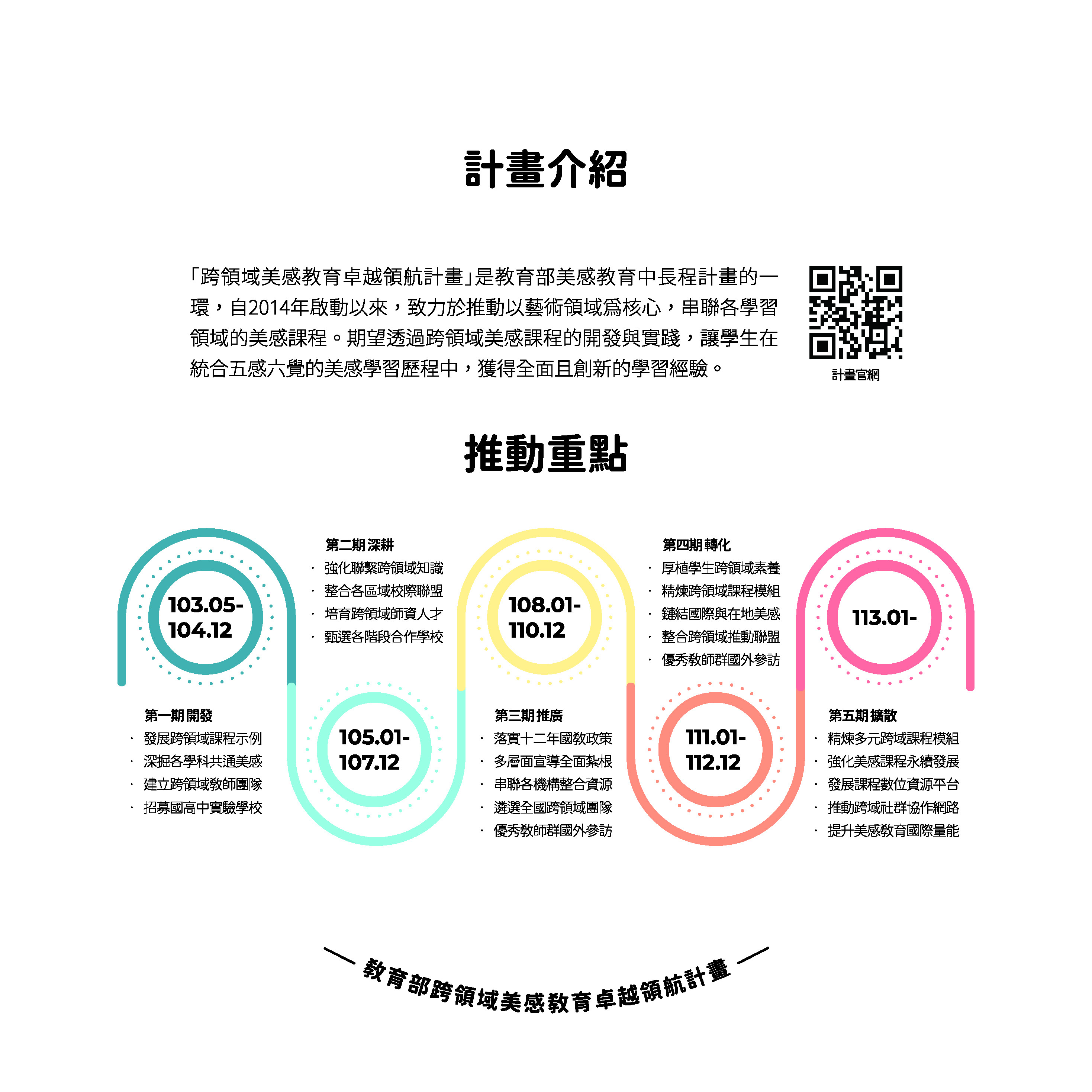
Throughout the development of the Interdisciplinary Aesthetics Project, the project team has gradually built a support system for interdisciplinary aesthetics courses. It has actively fostered professional learning communities among art teachers and teachers from other fields, enabling them to jointly engage in curriculum design and teaching practice, and gradually accumulate creative energy and practical experience in interdisciplinary aesthetics courses. Since its inception, the project has guided over a thousand partner schools nationwide to implement action research on interdisciplinary aesthetics courses, developing "Interdisciplinary Aesthetics Curriculum Modules." This transforms the curriculum structure into an organic configuration, enhancing the content and depth of the curriculum, and summarizing six major types of interdisciplinary aesthetics courses to establish a curriculum discourse for future sustainable development.
In addition to the learning stages below high school, the project team also introduced aesthetic resources from teacher training/cooperative universities across the country. Through the consensus and cohesion of the participating members of teacher training/cooperative universities, the interdisciplinary aesthetic education is connected to the higher education stage. This will build a sound guidance mechanism for the professional community of interdisciplinary aesthetic teachers in primary and secondary schools in various regions, enhance professional learning and collaborative culture, and lay a solid foundation of interdisciplinary aesthetic course preparation knowledge for teacher trainees.
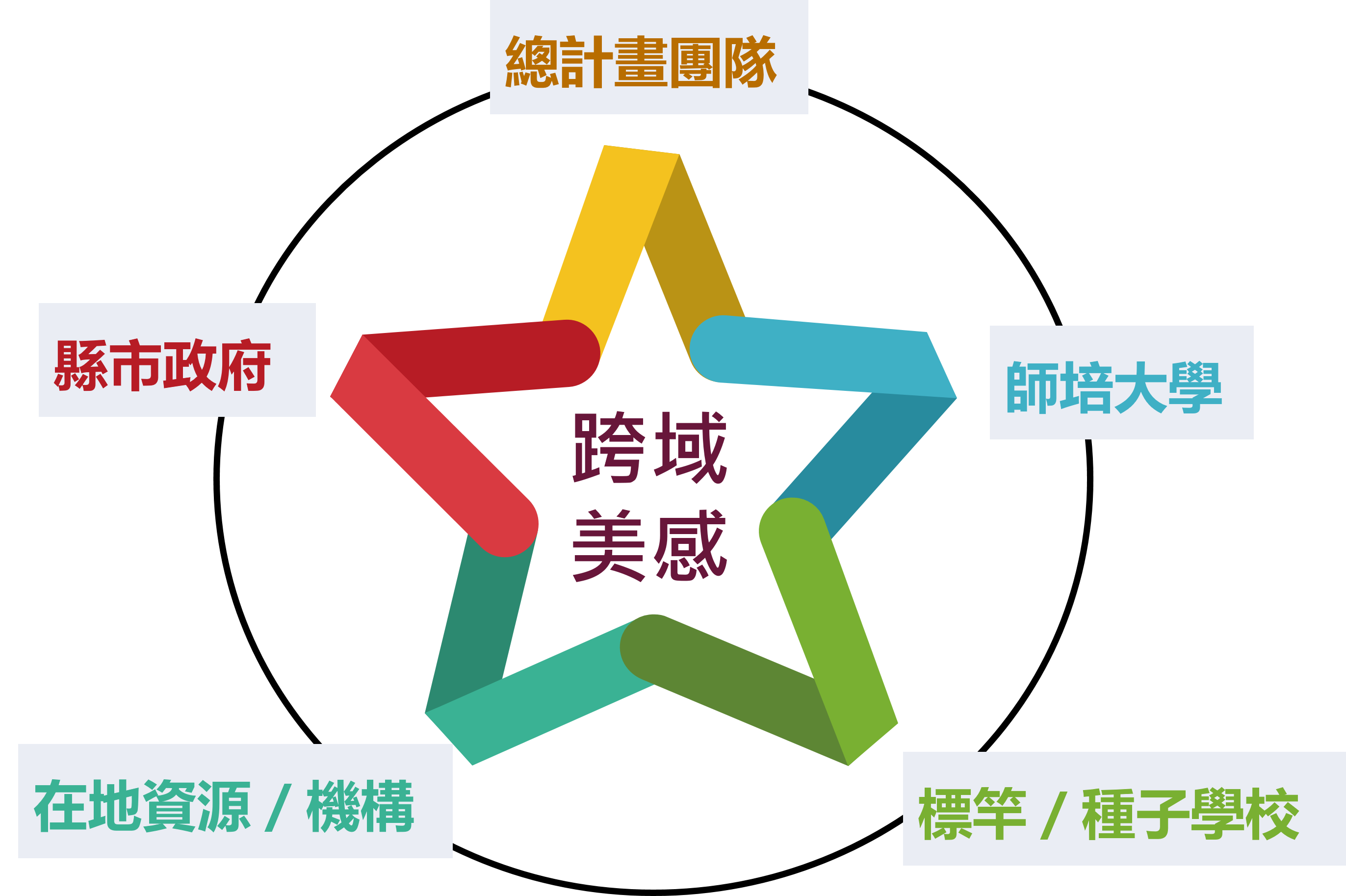
To establish a complete promotion network, the project team has also connected and integrated resources from various county and city bureaus, guidance groups, and private arts and culture organizations to build a comprehensive and dense "Cross-Domain Aesthetic Pentagram" support ecosystem.
In addition to the above, the project team adheres to the belief of "connecting the local with the international, and empowering the local with the international", and has worked hard to hold many international aesthetic education forums and cross-domain aesthetic workshops for Taiwanese schools overseas. They have invited international scholars to Taiwan to observe cross-domain aesthetic courses, and have led outstanding aesthetic teachers from all over the country to visit foreign countries many times, so as to connect and spread the energy of Taiwan's aesthetic education internationally and connect with the world.
The Intertwining of Two Competencies: Cross-disciplinary Aesthetic Literacy X Social-Emotional Learning
To concretely implement the promotion of interdisciplinary aesthetic courses, the project team analyzed the content and forms of courses accumulated since the project's inception and explored relevant contemporary art education discourses, and proposed seven "interdisciplinary aesthetic literacy" to provide teachers with reference when planning interdisciplinary aesthetic courses.
.png)
To concretely implement the interdisciplinary aesthetics curriculum, the project team analyzed the accumulated content and forms of courses since the project's inception and explored relevant contemporary art education discourses. They then proposed seven "interdisciplinary aesthetic literacy" criteria for teachers to reference when planning interdisciplinary aesthetics courses. These are: aesthetic critical thinking and awareness reflection, design thinking and creative ideation, artistic exploration and life practice, symbol recognition and contextual application, digital media and internet proficiency, art participation and social action, and cultural cross-disciplinary and multi-faceted interpretation.
The seven competencies begin with the core essence of the arts, gradually expanding outward to students' daily lives and online media, and finally reaching global culture, forming a cyclical pattern. When planning the curriculum, teachers can select key relevant elements based on the content of collaborating subjects or fields, students' characteristics, and the needs of the curriculum planning. These elements can be integrated with other disciplines from multiple perspectives to jointly construct important elements and guiding strategies for the cross-disciplinary aesthetic curriculum.
Social-emotional learning emphasizes that individuals, through awareness, reflection, and practice, gradually develop core competencies such as self-awareness, self-management, social awareness, interpersonal skills, and responsible decision-making during their education and socialization process, in order to promote personal growth, social adaptation, and lifelong learning.
Interdisciplinary aesthetic literacy emphasizes that aesthetic and art learning is not only about cultivating artistic knowledge, skills and performance abilities, but also about the educational characteristics of emotional expression, experience transformation, multiple interpretations and meaning construction. Through perception, creation, performance, appreciation and dialogue, it guides students to deepen their self-understanding, empathize with others, construct multiple perspectives and actively respond to real-life situations.
Therefore, when practicing interdisciplinary aesthetic courses centered on art, the exploration, transformation and expression of emotional support can be extended from the experience of art learning through the interweaving and integration of interdisciplinary aesthetic literacy and social emotional learning. This allows students to experience emotional identification, perspective transformation and interpersonal interaction in the process of creating, performing, watching and interpreting art, thus forming rich social emotional experiences.
Starting with Understanding: The "Interdisciplinary Aesthetic Education × Social-Emotional Learning Starter Disc"
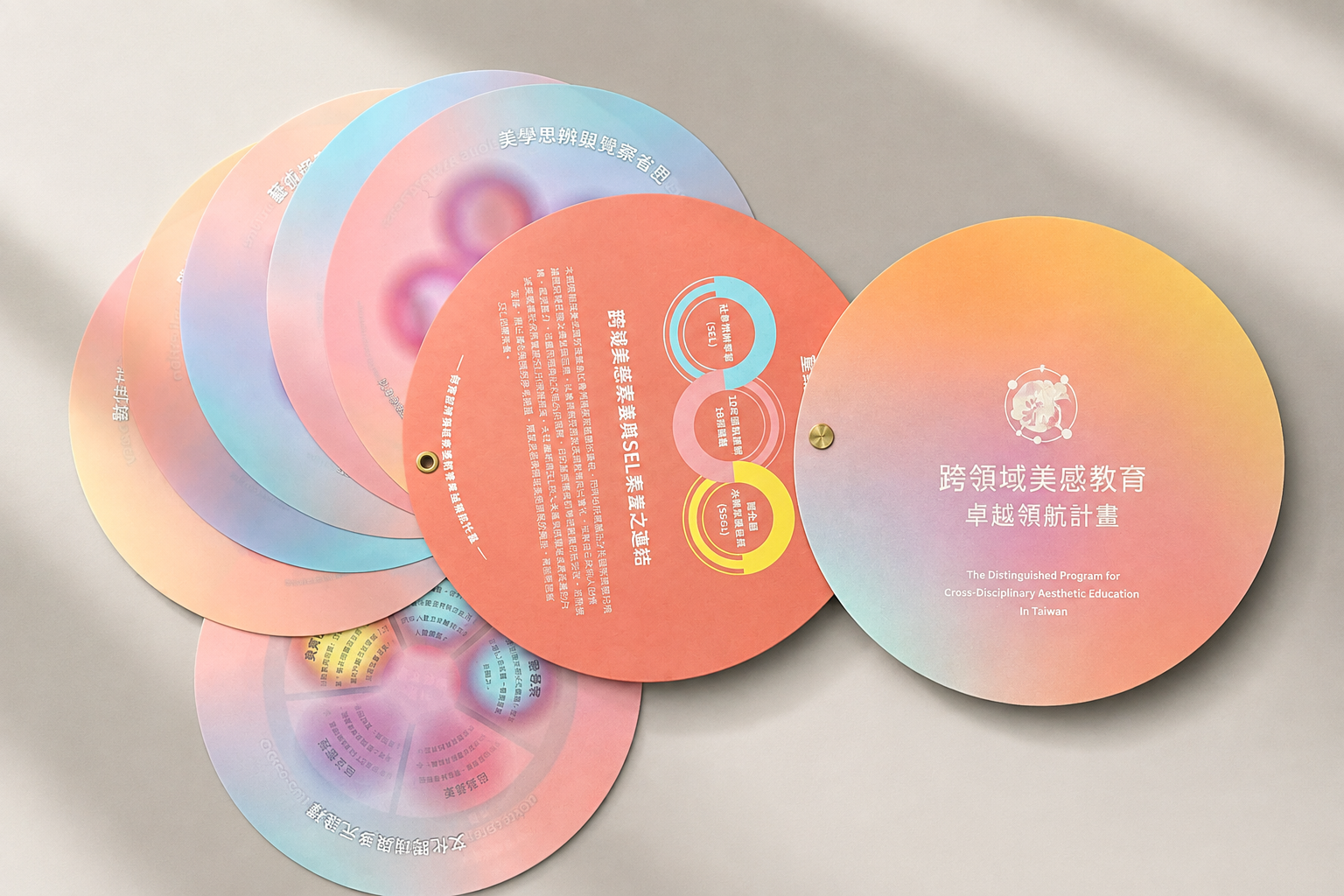
"Interdisciplinary Aesthetic Education × Social-Emotional Learning Starter Disc" is the first phase of the series of teaching materials, serving as the starting point for the overall teaching material structure and playing a crucial role in introducing concepts and building the framework. The disc's content integrates the important development process, core concepts, and practical achievements of the interdisciplinary aesthetic education project over the past ten years, helping teachers quickly grasp the project's development trajectory and conceptual connotations, and establish an understanding of the overall framework of interdisciplinary aesthetic education.
In terms of competency integration, the "Sailing Disc" is based on seven interdisciplinary aesthetic competencies and five core competencies in socio-emotional learning. It systematically outlines the core connotations and interrelationships of these two areas to construct a priority-aligned competency linkage framework, serving as a reference for teachers in curriculum planning, instructional design, and interdisciplinary connections. Therefore, the "Sailing Disc" framework helps teachers understand the complementary relationship between interdisciplinary aesthetic competencies and socio-emotional learning, and also provides a thought process and curriculum design basis that can be followed in teaching practice.
In addition, the Start-up Disc also serves as a guide for the "Interdisciplinary Aesthetic Literacy × Social-Emotional Learning" series of teaching materials. It gradually extends from literacy-based applications to the exploration and teaching application in real-life situations, guiding teachers to think about the issues and challenges that students may face in real-life situations. This leads to the use of subsequent teaching materials such as "Navigation Cards" and "Treasure Boxes," gradually constructing an interdisciplinary aesthetic education × social-emotional learning support system that combines concept guidance, curriculum design, and teaching practice.
From Connection to Practice: "Interdisciplinary Aesthetic Education × Social-Emotional Learning Navigation Cards"
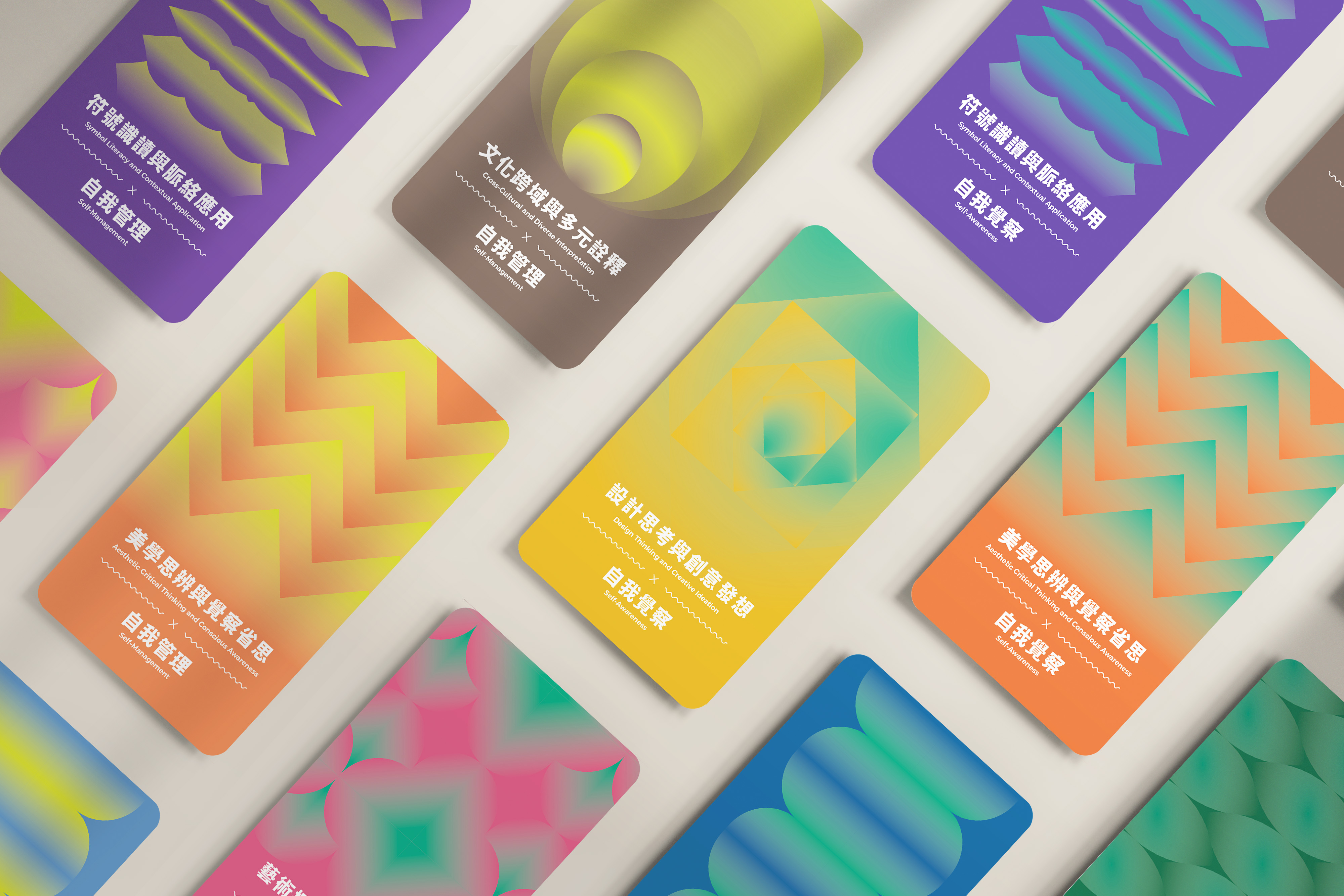
After establishing the conceptual framework and competency connection foundation of the "Sailing Disc," the project team further developed the "Interdisciplinary Aesthetic Education × Social-Emotional Learning Navigation Card" as an important teaching material for the continuation of the concept and teaching practice. The navigation card takes the seven interdisciplinary aesthetic competencies constructed by this project as its core, combines them with the five core competencies of social-emotional learning, and through the integration and transformation of the two, it has developed into an important teaching medium connecting interdisciplinary aesthetic education and social-emotional learning.
The core design of the navigation cards is "two-way competency questioning," which constructs a learning process that combines artistic thinking and socio-emotional competence through mutual questioning and dialogue between interdisciplinary aesthetic literacy and core competencies in social-emotional learning. Teachers can use questioning to guide students to observe, think critically, and reflect in artistic creation, art appreciation, life experiences, and real-life situations, promoting the development of core competencies such as self-awareness, emotional regulation, empathy, interpersonal interaction, and collaborative communication, and further deepening the connection between art learning and life experiences.
In terms of teaching applications, navigation cards are highly flexible and extensible, and can be widely used in art courses, interdisciplinary aesthetic courses, and inquiry-based teaching that integrates various topics. Teachers can flexibly use the design questions of the navigation cards according to different learning stages, course objectives, and teaching situations to guide students to engage in emotional awareness, collaborative inquiry, value discrimination, and exchange of diverse perspectives. This allows interdisciplinary aesthetic education and socio-emotional learning to form a mutually supportive and progressively deepening learning process, and provides an important theoretical framework for subsequent curriculum design and textbook practice.
From Problem-Based Thinking to Experience Construction: A Multi-faceted Toolbox for Interdisciplinary Aesthetic Education and Social-Emotional Learning
As the curriculum development deepened, the project team further developed the "Interdisciplinary Aesthetic Education × Social-Emotional Learning Treasure Box," which combines conceptual exploration with action-oriented practice. The Treasure Box's development philosophy is based on the integration of interdisciplinary aesthetic education and social-emotional learning, emphasizing that art is not merely a medium for knowledge transmission, but also a process of experience generation and meaning construction. Its unique feature lies in guiding students to deepen their core social-emotional learning abilities through imagery metaphors, guided questioning, and experiential learning.
To enhance the depth of the Multi-Talent Box teaching materials in terms of their fundamental nature within the arts and their flexibility in cross-disciplinary connections, the development of the materials first identified six core elements inherent in the fundamental nature of each art subject, including visual arts, music, and performing arts. These six core elements were then used as the main framework, combined with the five core competencies of socio-emotional learning, to construct a two-way, detailed question form, which was developed into "Question Cards" and served as the design basis for the development of the teaching material content. Based on the questioning context, artistic images were drawn one by one, developing into "Art Cards," and further, teaching activities were designed, developing into "Task Cards" to drive the course. Therefore, the Multi-Talent Box teaching materials primarily use "Art Cards," "Question Cards," and "Task Cards" from the arts subjects of visual arts, music, and performing arts as the three core card types to guide the course.
Art cards, question cards, and task cards all start from the learner's own artistic and life experiences, guiding users to perceive, explore, and understand their own experiences from the perspective of "I".
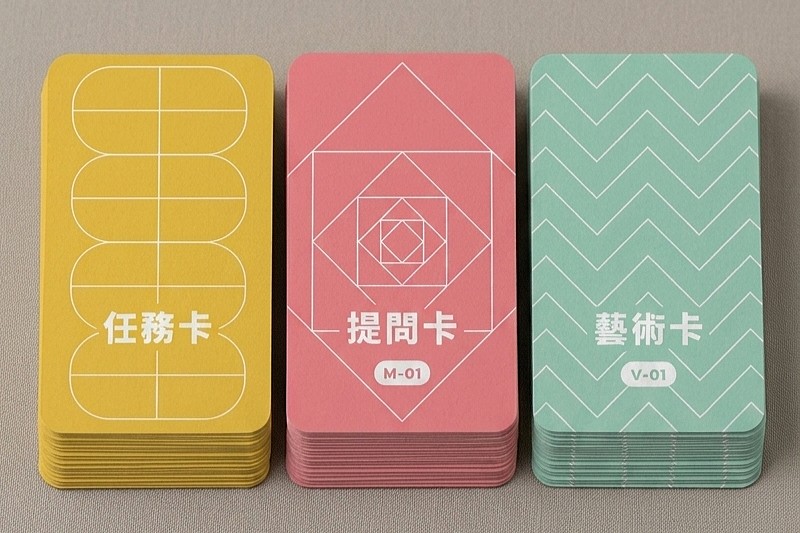
Art Card
By leveraging the openness and ambiguity inherent in artistic imagery, we create a safe and inclusive space for dialogue. Through visual images, we evoke empathy and association, encouraging emotional projection, physical expression, and diverse thinking. This fosters emotional expression, empathy, and interpersonal interaction skills, guiding users into the world of artistic imagery.
Question Card
Using the core elements of visual arts, music, and performing arts as the main axis, and combining them with the five core competencies of socio-emotional learning, the curriculum constructs two-way detailed questions, which serve as the basis for designing teaching activities. Based on the questioning context, and centering on "changes in viewing methods," the curriculum guides students to engage in aesthetic reflection and in-depth exploration through three levels: perception, metaphor, and interpretation, thereby enabling them to see themselves in their life experiences.
Task Card
Adhering to the philosophy of "first let feelings occur, then let language be generated to guide action", the course guides students through the process of feeling, acting and reflecting through the structure of "art cards + question cards + task cards", and conducts action-oriented experiential learning, transforming experience and understanding into practice.
Multi-Box Expansion Kit Configuration and Contents
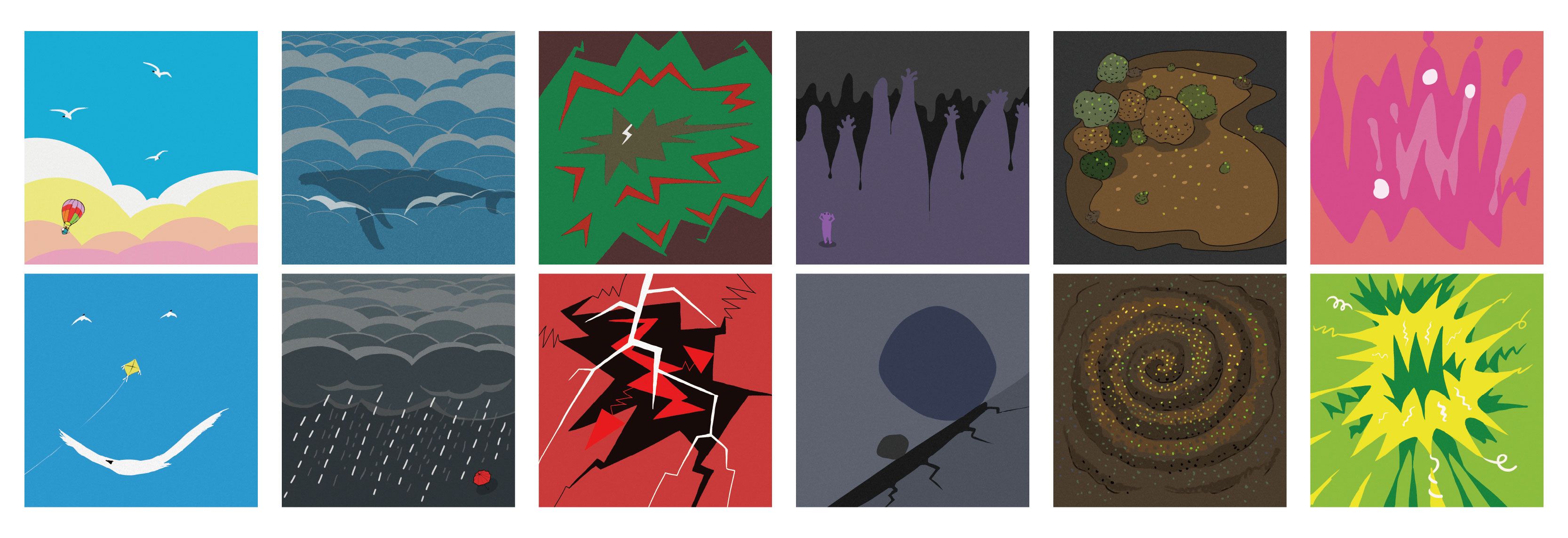
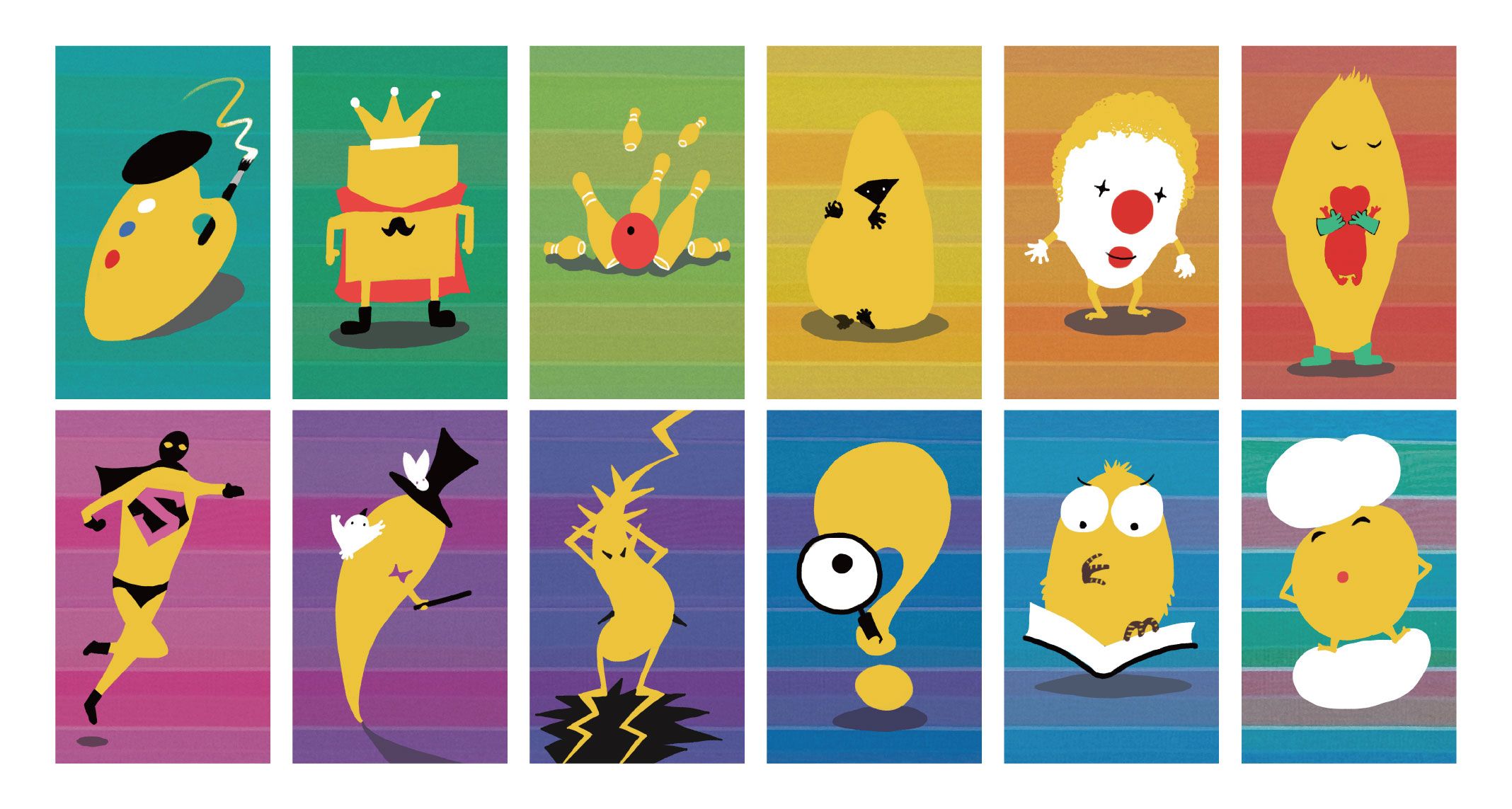
Based on the characteristics of the three major disciplines in the arts, the Multi-Box teaching materials are divided into three modules: visual arts, performing arts, and music, each with its own three types of core cards. To extend the depth and breadth of learning, corresponding expansion kits are also planned to echo the overall design concept and learning objectives of the teaching materials.
Each module's expansion kit consists of "6 double-sided scenario-based theme maps" and "6 double-sided expansion cards," forming a two-tiered learning framework of "theme exploration × scenario extension." The theme maps establish the framework, while the expansion cards deepen understanding of the scenarios, fostering socio-emotional learning abilities and interdisciplinary aesthetic literacy through free application. In addition, the expansion modules include six 3D puppets for users to flexibly utilize according to their teaching needs, increasing the diversity of possibilities for scenario portrayal and interactive discussions.
Visual Arts: The Exploration of One's Inner Self
The Visual Arts Extension Module centers on emotions and inner experiences, guiding users to self-awareness and develop an understanding of "self and others" through visual language. Through "Inner Landscape Maps" and "Archetype Character Cards," it guides students to recognize themselves and their emotions. The Inner Landscape Map, based on the six basic emotions, transforms subtle feelings into visual imagery, providing a safe and creative entry point for emotional expression. The Archetype Character Cards are designed with reference to Carl Gustav Jung's archetype theory. Jung believed that archetypes are images of individual characteristics, and the combination of various characteristics forms the unique aspects of each person. The Archetype Character Cards use the most common 12 archetypal personality structures as a reference for creative inspiration, but users can freely connect with personal experiences and interpret the images visually.
Music: Empathic Understanding Between Individuals and Society
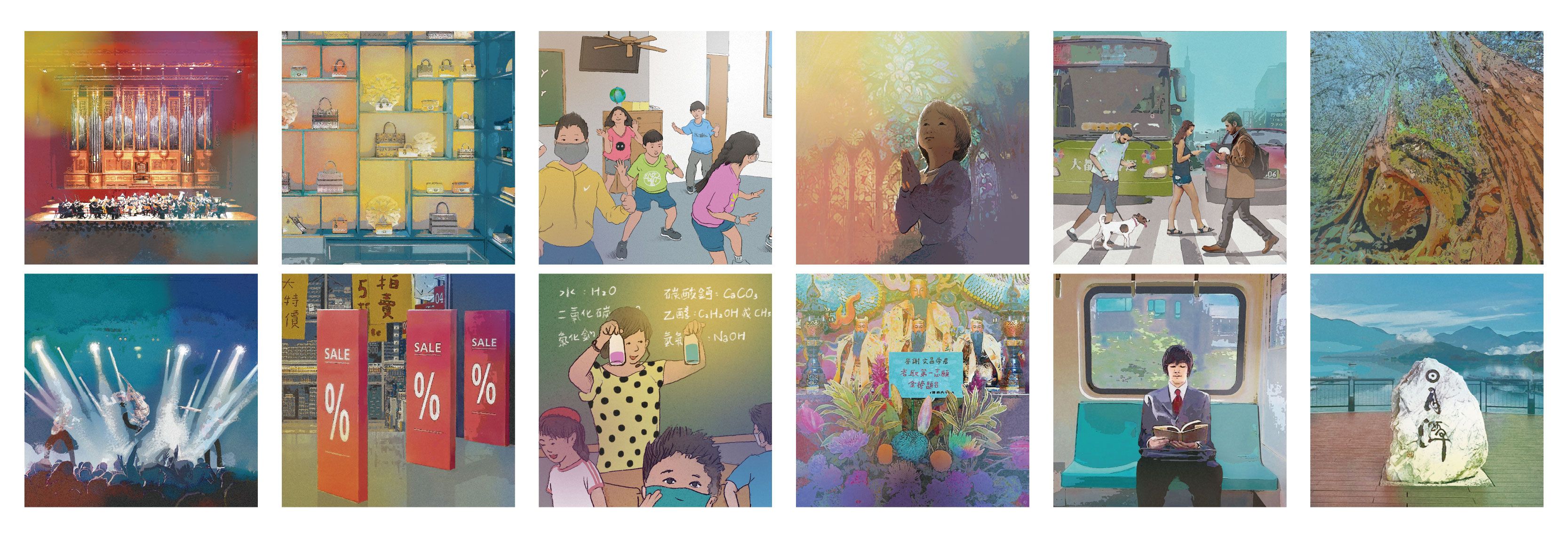
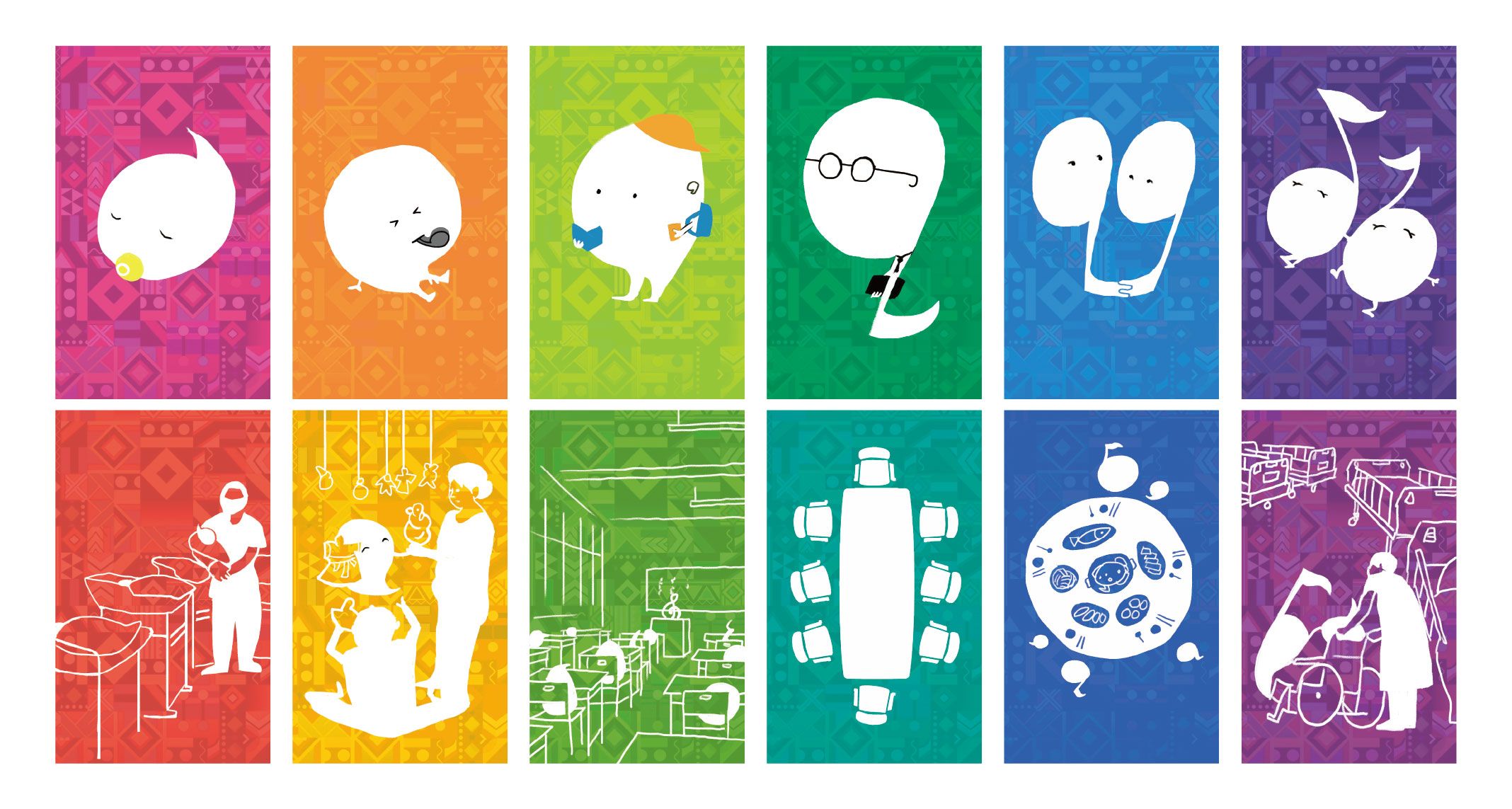
The music extension module centers on cultural context and life experience, using music as a medium. Through "Cultural Theme Maps" and "Stage Context Cards," it guides students to understand the connection between the individual and society, cultivating their understanding of themselves, others, and society. The Cultural Theme Maps focus on diverse participants in community cultural settings, exploring the emotional experiences of different perspectives and viewpoints, further deepening students' empathy and respect for group differences. The Stage Context Cards, structured around life experiences and living environments, combine melodic characteristics to encourage situational imagination, guiding students to engage in emotional awareness and self-reflection through music.
Performing Arts: Narratives of the Relationship Between Humans and Nature
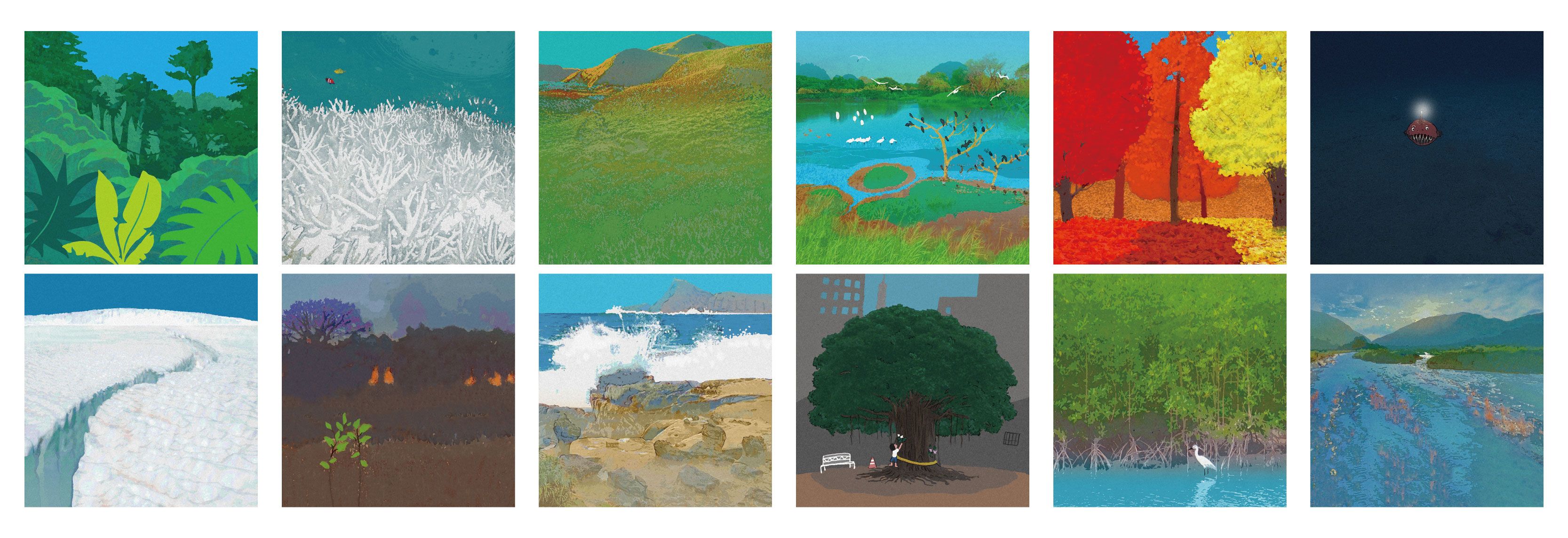
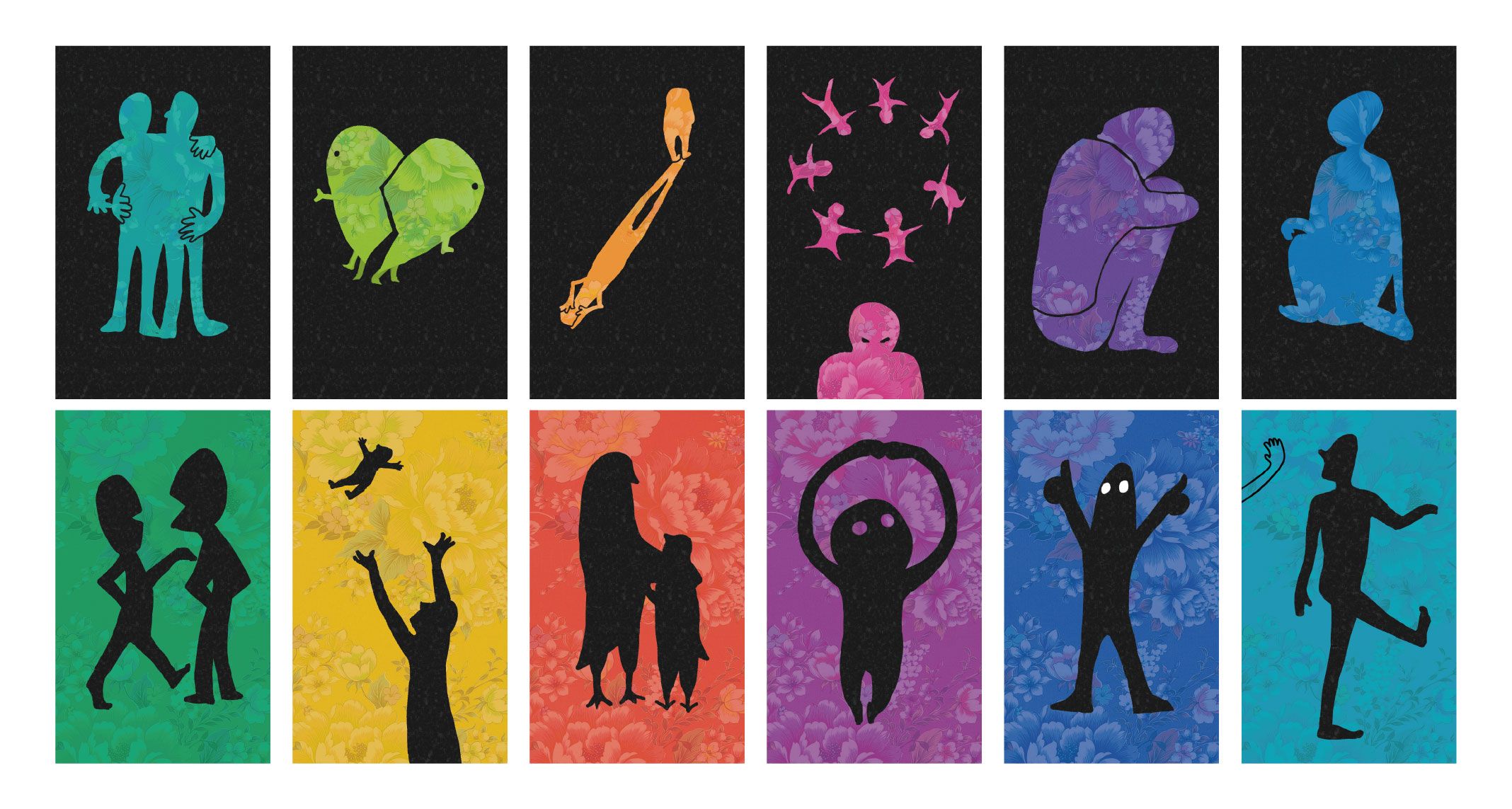
The Performing Arts extension module focuses on experiences of interpersonal relationships and interaction with nature. Through the "Nature Empathy Map" and "Relationship Experience Cards," it guides students to explore life experiences, interpersonal relationships, and the understanding of "humanity and nature" through shifts in body, narrative, and perspective. The Nature Empathy Map uses environmental change as a metaphor, distinguishing between three states: vitality, disaster, and criticality, helping students to visualize their inner emotions and thus cultivate resilience and tenacity. The Relationship Experience Cards integrate attachment theory and narrative identification perspectives, designing twelve profound relationship experience themes such as "encounter," "acceptance," and "loss," encouraging students to reflect on and recount their life stories.
It must be emphasized that the textbook was originally designed primarily to support teaching. Given the diverse and organic nature of the arts and interdisciplinary aesthetic courses, teachers are encouraged to categorize the textbook according to their individual interpretation and teaching needs, and select the relevant sections to fully utilize its application flexibility.
Emphasizing Process and Holistic Development: A Multi-faceted Assessment Strategy for Cross-disciplinary Aesthetics and SEL
In addition, to help teachers revitalize the way they use teaching materials, the project provides teaching resources such as suggestions for using teaching materials, extended learning sheets, and assessment suggestions, which teachers can use freely. The teaching materials section of the project website also has a variety of learning sheets for teachers to choose flexibly according to their teaching needs, so as to enhance the diversity of teaching material use.
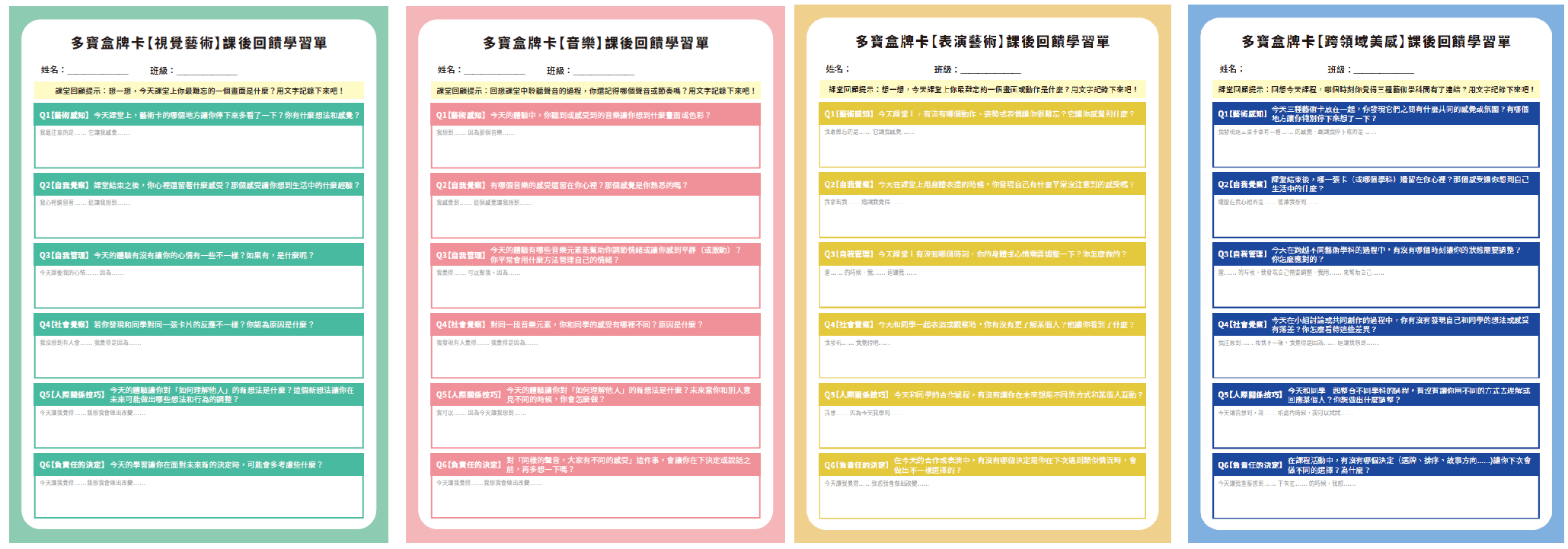
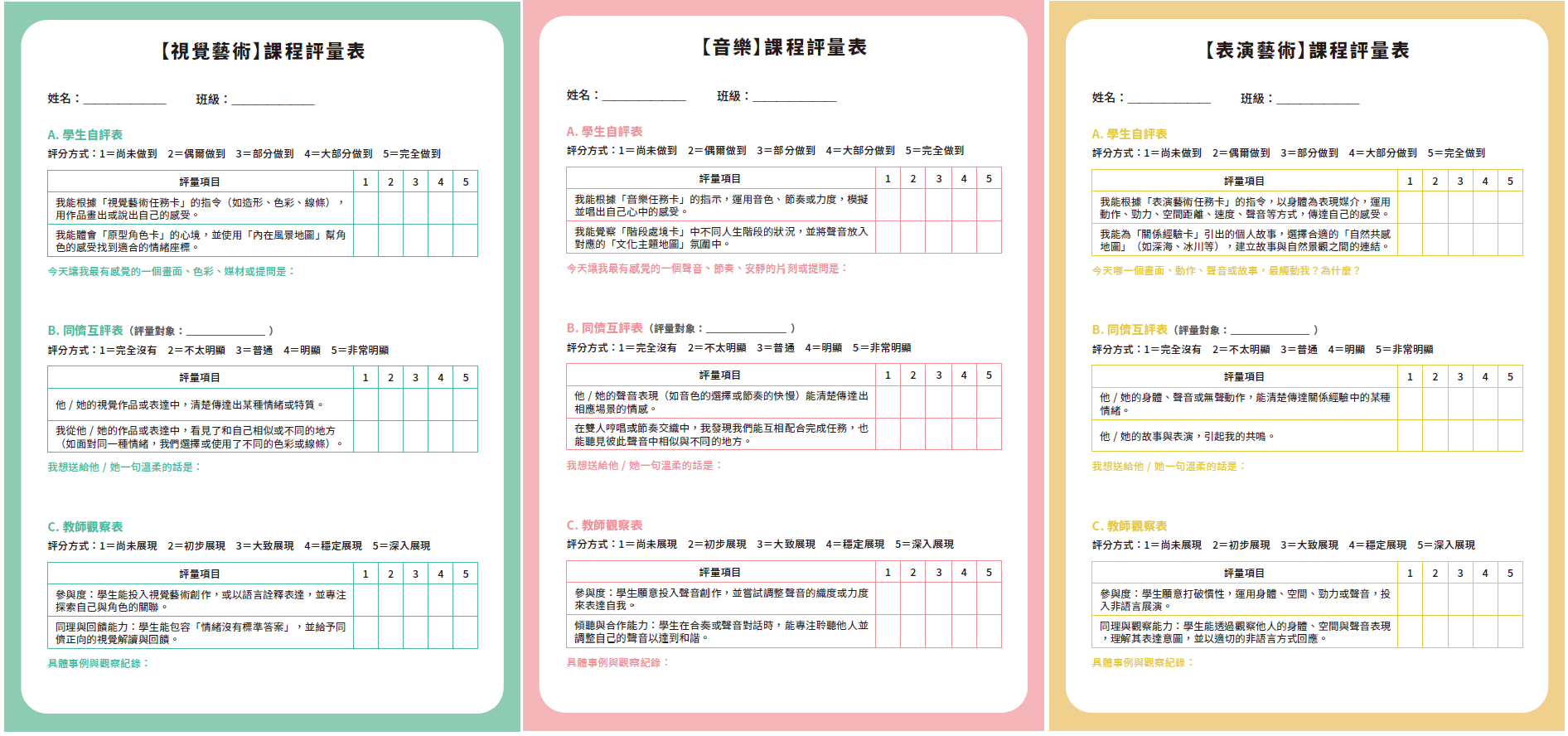
Interdisciplinary courses that integrate aesthetics and social-emotional learning (SEL) focus not on the presentation of knowledge, techniques, or works, but on the transformation of students in terms of emotions, attitudes, values, interpersonal interactions, creativity, and self-awareness. These transformations are often process-oriented, context-dependent, and subjective, making them difficult to fully understand through a single assessment tool.
Therefore, the assessment of interdisciplinary aesthetics and SEL should shift from evaluating "learning outcomes" to evaluating "learning process," adopting the concept of multiple assessment to collect students' diverse performances in different contexts. Teachers should pay attention to students' participation and growth trajectory in the processes of inquiry, creation, collaboration, expression, and reflection. For example, through student self-assessment, peer assessment, teacher observation records, learning process files, work analysis, reflection notes, interviews, or performances, teachers can gain a multi-faceted understanding of whether students have changed or improved in their abilities in areas such as emotion recognition, empathy, collaborative communication, perspective transformation, aesthetic expression, and self-identity.
In the application of self-assessment, the "Self-Exploration Compass" and "Self-Exploration Coordinate Map" from the "Interdisciplinary Aesthetic Education x Social-Emotional Learning Navigation Cards" developed in this project can be used to help students examine their position, changes, and possible directions in the learning process, and accumulate their personal growth trajectory through continuous positioning and reflection. Teachers can also provide individualized support and feedback based on the assessment results.
Various teaching materials
- Textbook Resources [Two-way Navigation Map, Navigation Card]
- Textbook Resources: [Self-Exploration Compass, Coordinate Graph]
- Textbook Resources [Worksheets and Assessments]
Apply for rental
The rental rules for "Treasure Box" are currently being drafted, and the complete regulations will be officially released soon. Please stay tuned.