
Cross-Domain Integration, Aesthetic Embarkation: Opening Ceremony and Workshops of the 2026 Ministry of Education's Cross-Domain Aesthetic Education Season
2026/05/19
News source:Normal University News>
To deepen the interdisciplinary integration and teaching practice of aesthetic education, the “Interdisciplinary Aesthetic Education Season Opening Ceremony and Workshop”, guided by the Department of Teacher Training and Arts Education of the Ministry of Education and hosted by National Taiwan Normal University, will be held on May 15, 2026 at the National Film and Audiovisual Culture Center.
This event brought together benchmark schools, seed schools, and teacher training universities from the National Cross-Disciplinary Aesthetic Education Excellence Leading Program, as well as representatives from education bureaus (offices) of various counties and cities, to witness this important milestone in the Ministry of Education's promotion of cross-disciplinary aesthetic education and kick off the "2026 Cross-Disciplinary Aesthetic Education Season" series of activities. Through sharing teaching cases and engaging in experience dialogues, the event showcased the achievements of cross-disciplinary aesthetic education and presented the practice and deepening of aesthetic education concepts in the classroom, highlighting the concrete results of schools' continued efforts to cultivate campuses and expand educational influence.
One of the highlights of this event was the premiere of the documentary "Interdisciplinary Aesthetic Education." The film, centered on "interdisciplinary aesthetic learning," combines teaching practice cases from schools and local environments to present the diverse ways aesthetic education is integrated into local culture and daily life. For example, Guoxi Elementary School in Nantou County guides students to experience the aesthetics of life through tea ceremony and traditional Chinese string and wind instruments, transforming traditional skills into a part of daily learning. The National Chiayi University Affiliated Experimental Elementary School uses Taiwanese painter Chen Cheng-po as a cultural medium to lead students in exploring local art and historical context, deepening their emotional connection with the land. Furthermore, through post-screening discussions by professors from the project's organizing group, teachers from partner schools, and the director, the audience gained a profound understanding of the benefits and inspiration that interdisciplinary aesthetic education brings to students.
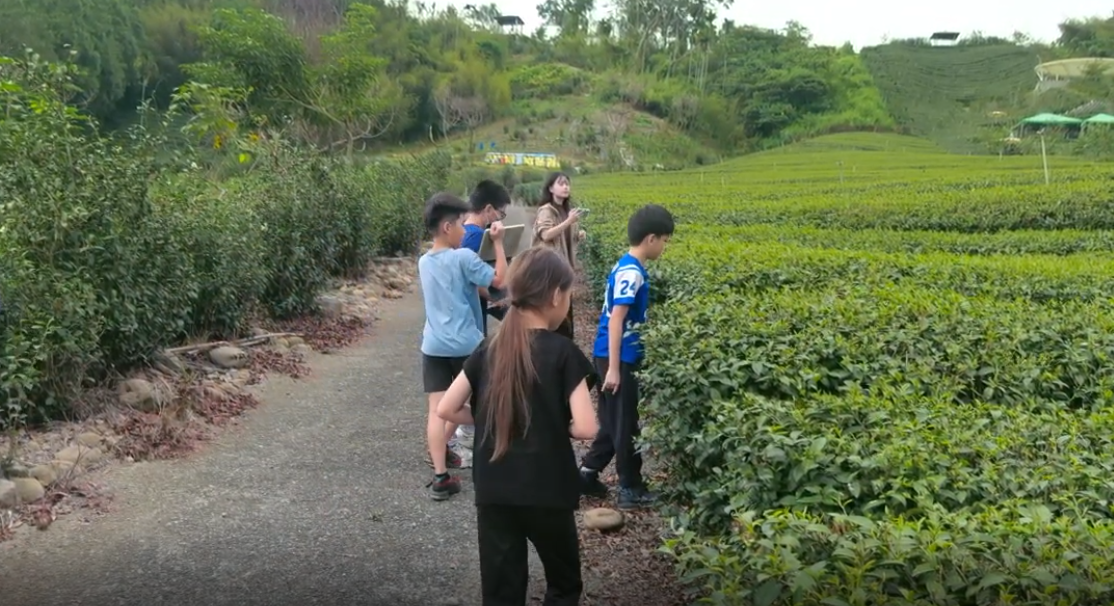
Teachers and students of Guoxi Elementary School in Zhushan Township, Nantou County, in the documentary "If You Want to Fly, You Will Grow Wings". 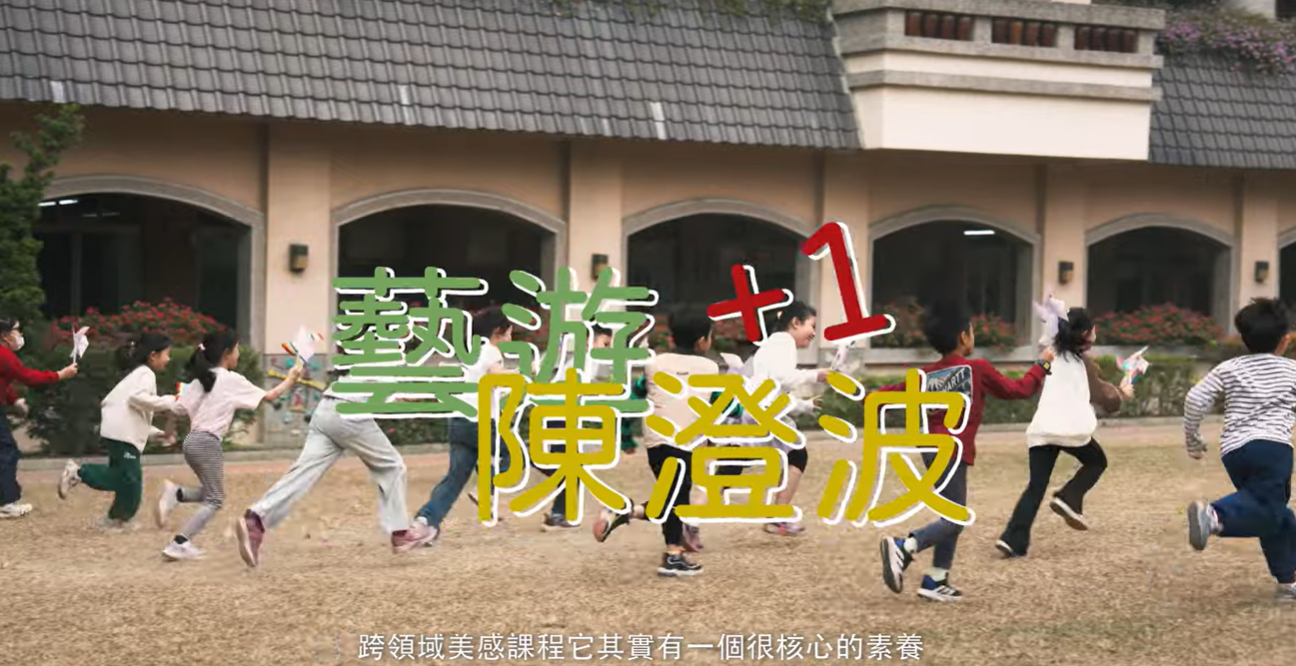
Children from the National Chiayi University Affiliated Experimental Elementary School in the documentary "Art and Play +1"
Another significant achievement was the official publication of the "Interdisciplinary Aesthetic Education x Social-Emotional Learning Navigation Cards." This teaching tool, centered on art, combines interdisciplinary learning with the cultivation of social-emotional literacy. Through highly designed question-guided cards, it assists learners in engaging in self-awareness, emotional understanding, and reflection on interpersonal interactions within an artistic experience.
Professor Hui-Ling Chao of the Department of Fine Arts at National Taiwan Normal University, the project leader, stated, "To promote the connection between interdisciplinary aesthetic education and social-emotional learning, the project team researched and developed this set of navigation cards as teaching materials. Through corresponding two-way literacy questions and reflections, the cards become a navigation tool for both literacy systems. We hope to diversify interdisciplinary classroom learning and provide teachers with professional support in constructing curriculum structures and teaching paths that integrate interdisciplinary aesthetics and SEL." Following the presentation, Associate Professor Yun-Wen Chen, the project co-leader, and Ms. Yu-Hsuan Lai, a teacher from Neili Senior High School in Taoyuan City, jointly led the nation's first professional workshop for navigation card teachers, cultivating the first batch of navigation card seed teachers to gradually implement the application of interdisciplinary aesthetic teaching materials in front-line teaching.
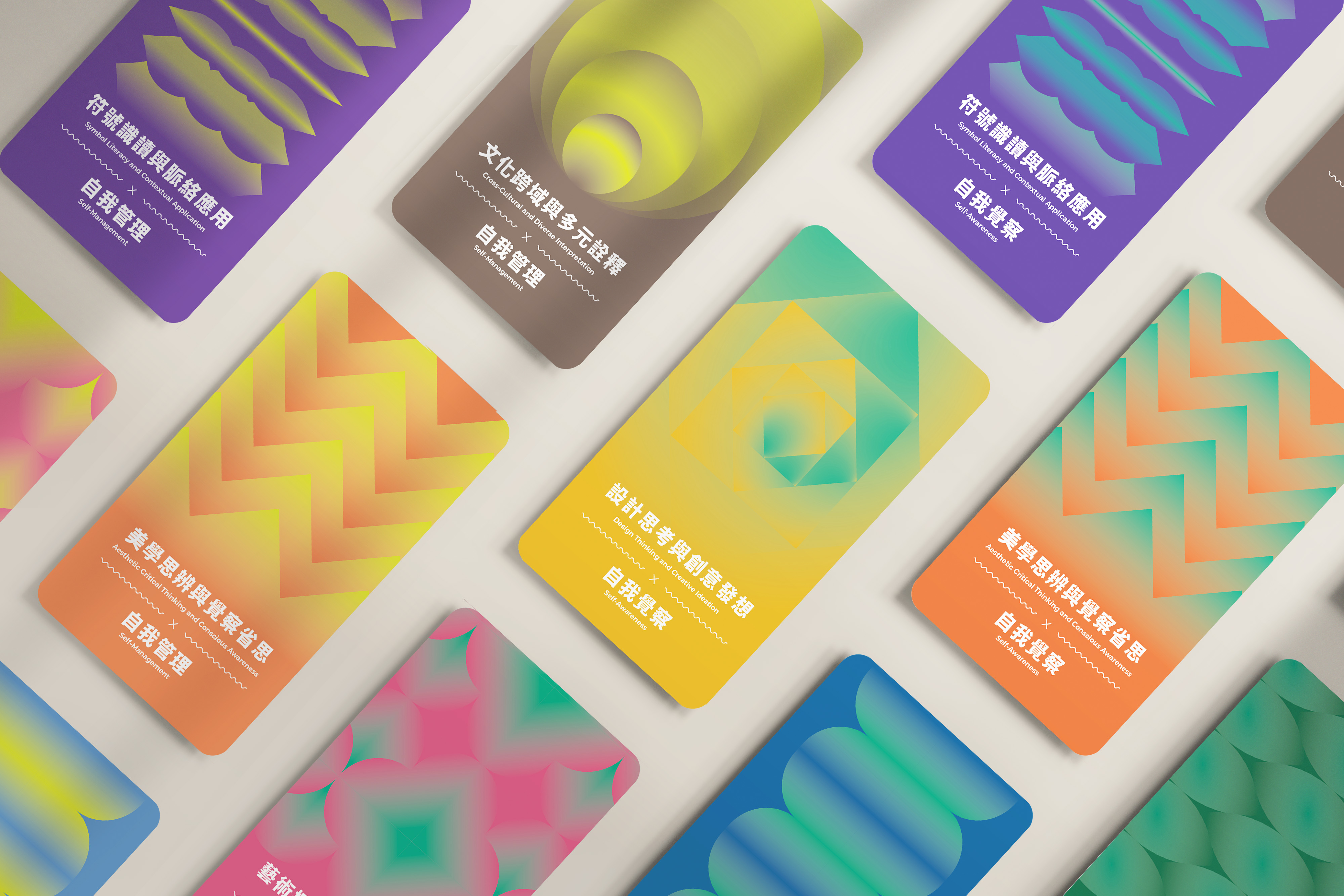
Social Emotion Learning (SEL) Navigation Cards 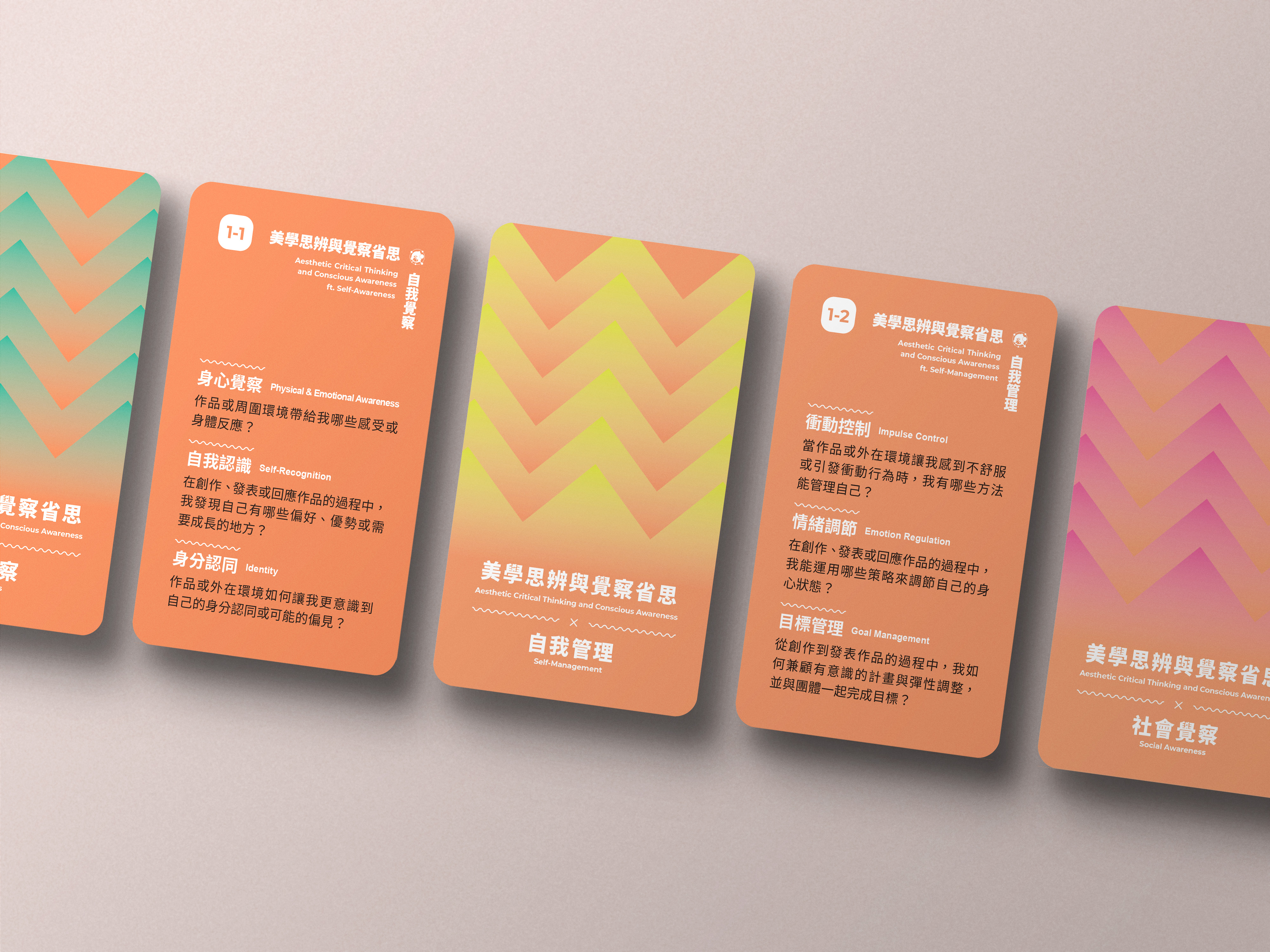
Social Emotion Learning (SEL) Navigation Cards 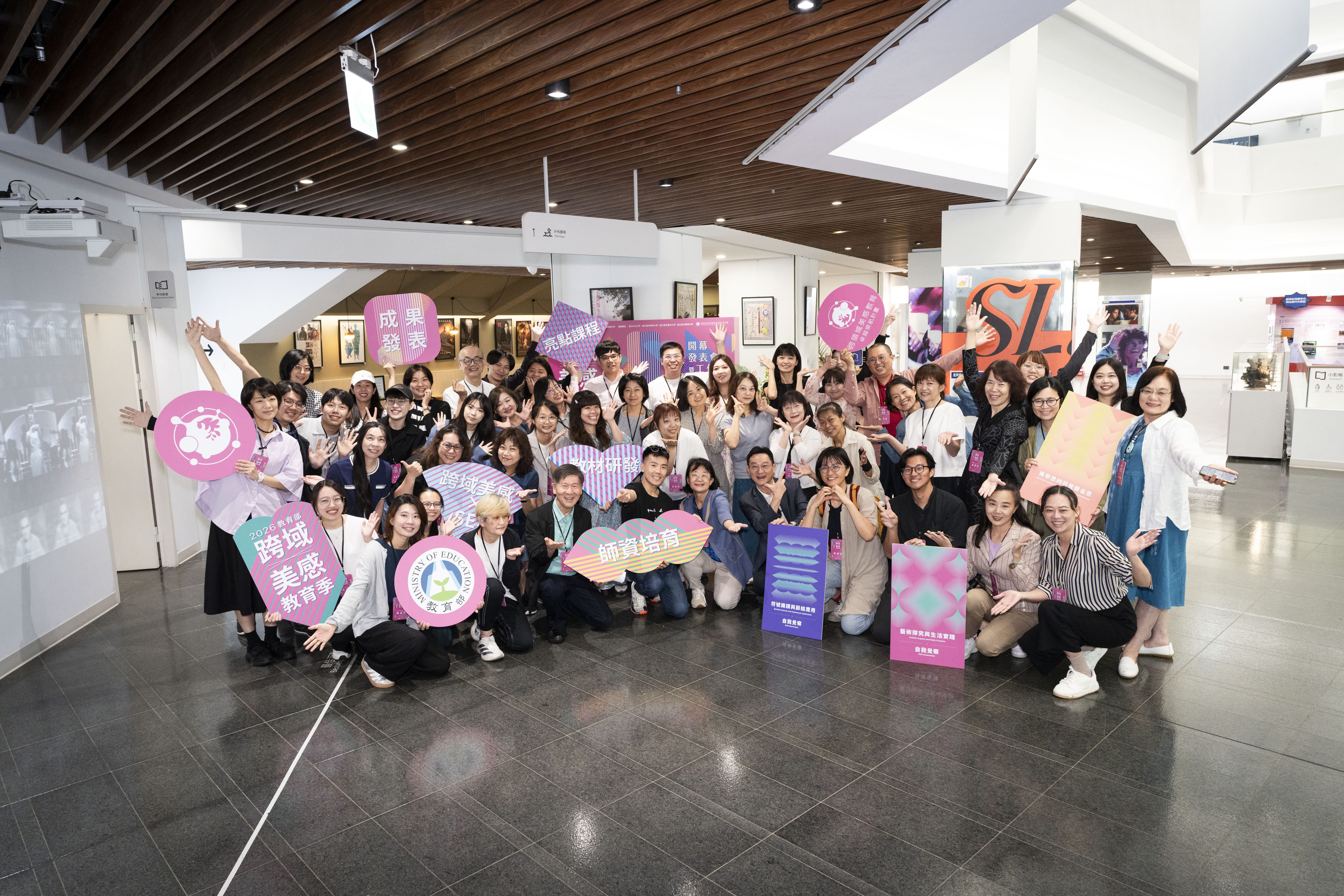
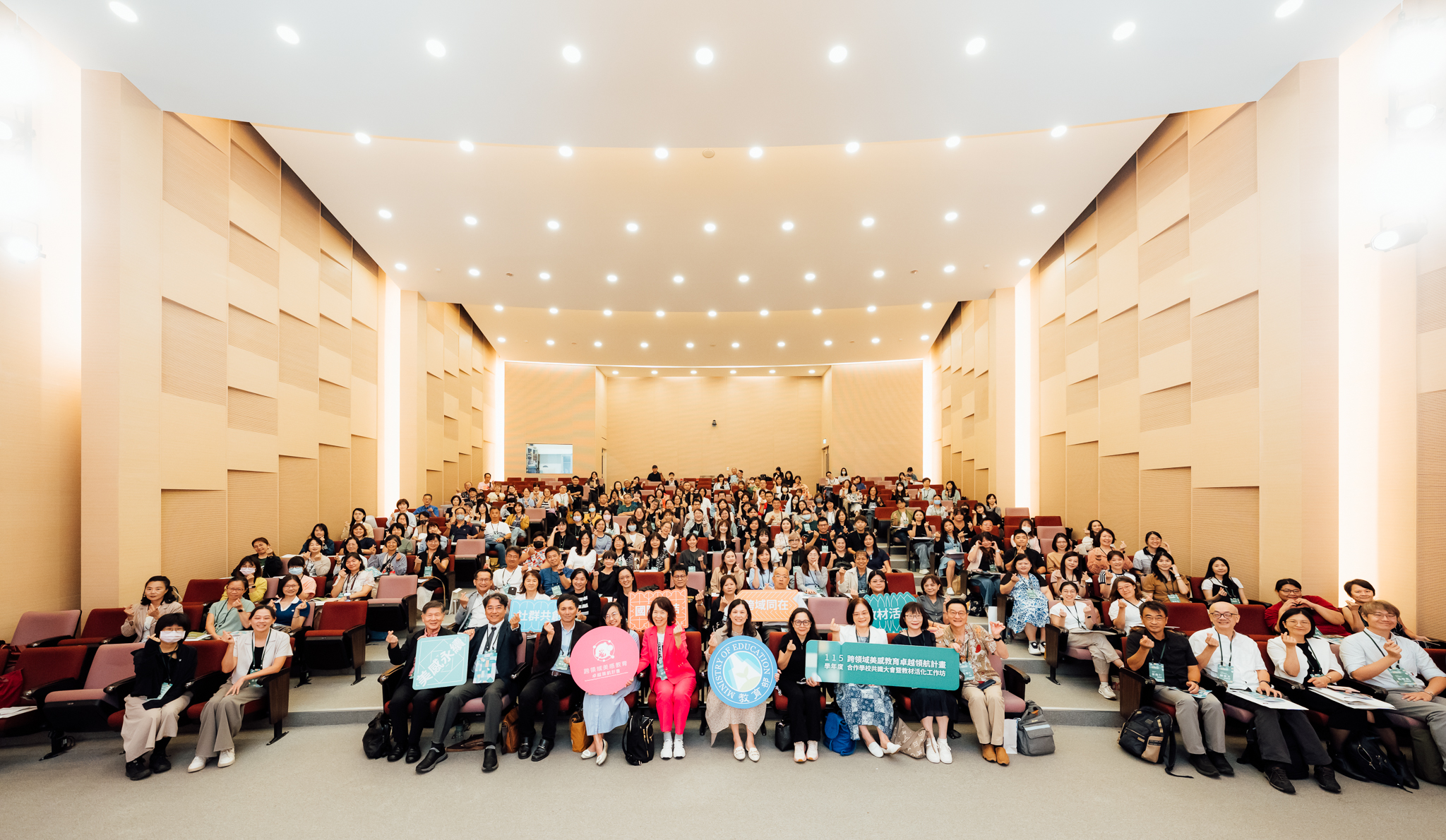
Group photo of guests attending the opening ceremony of the 2026 Ministry of Education's Cross-Domain Aesthetic Education Season.
The successful opening ceremony and workshop mark a new stage in the development of interdisciplinary aesthetic education. Moving forward, we will continue to deepen interdisciplinary curriculum practices, strengthen the integration of arts education with diverse fields, and strive to cultivate learners with aesthetic literacy, emotional intelligence, and innovative thinking, in order to meet the diverse expectations of future society for education.
For more information, please visit the Interdisciplinary Aesthetic Education Excellence Pilot Program website (https://www.inarts.world/) to view and learn more about exciting aesthetic education courses.
related articles