The "Together - 115th Academic Year Cooperative School Consensus Conference and Textbook Activation Workshop" Concludes Successfully
2026/09/22
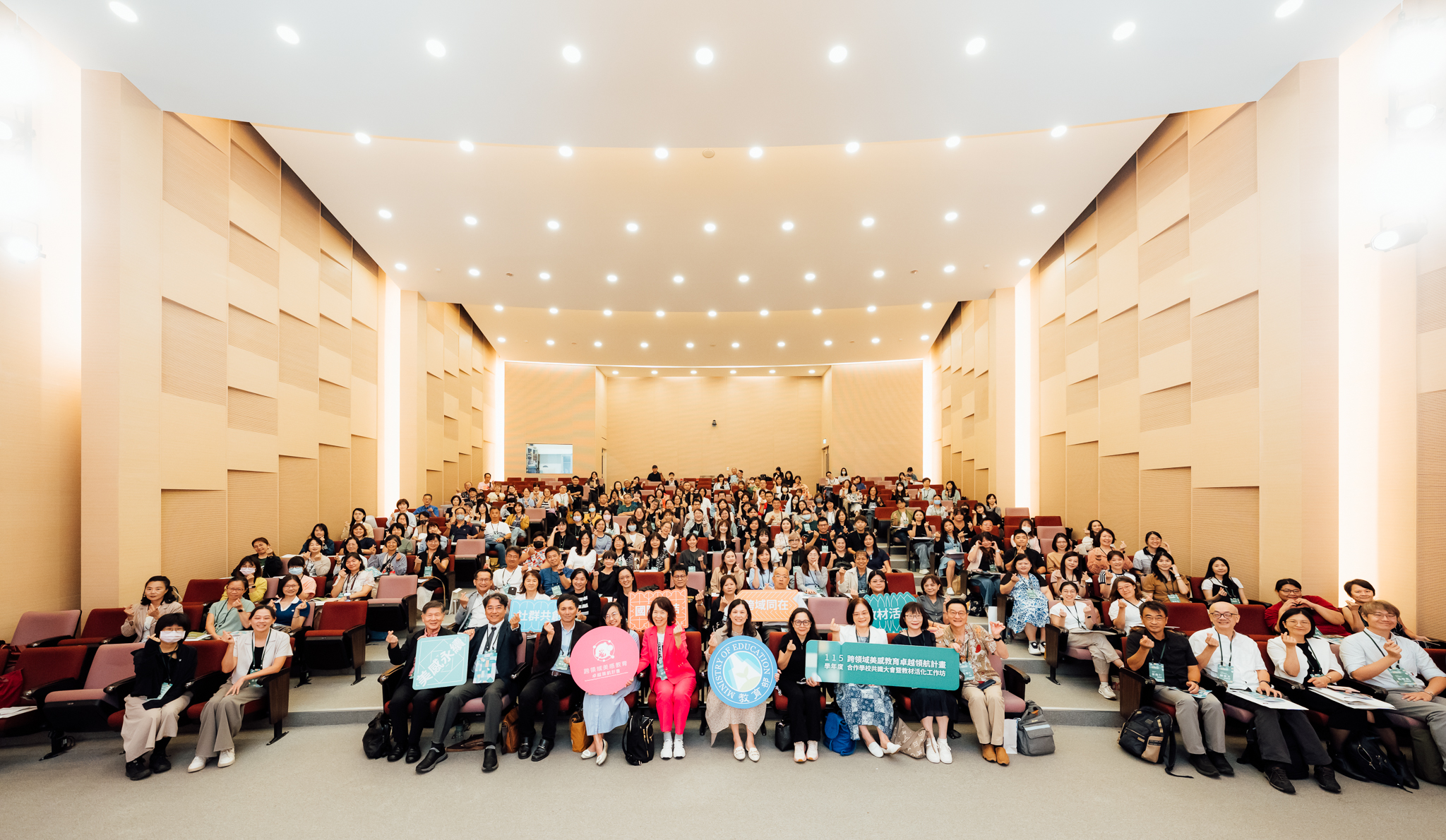
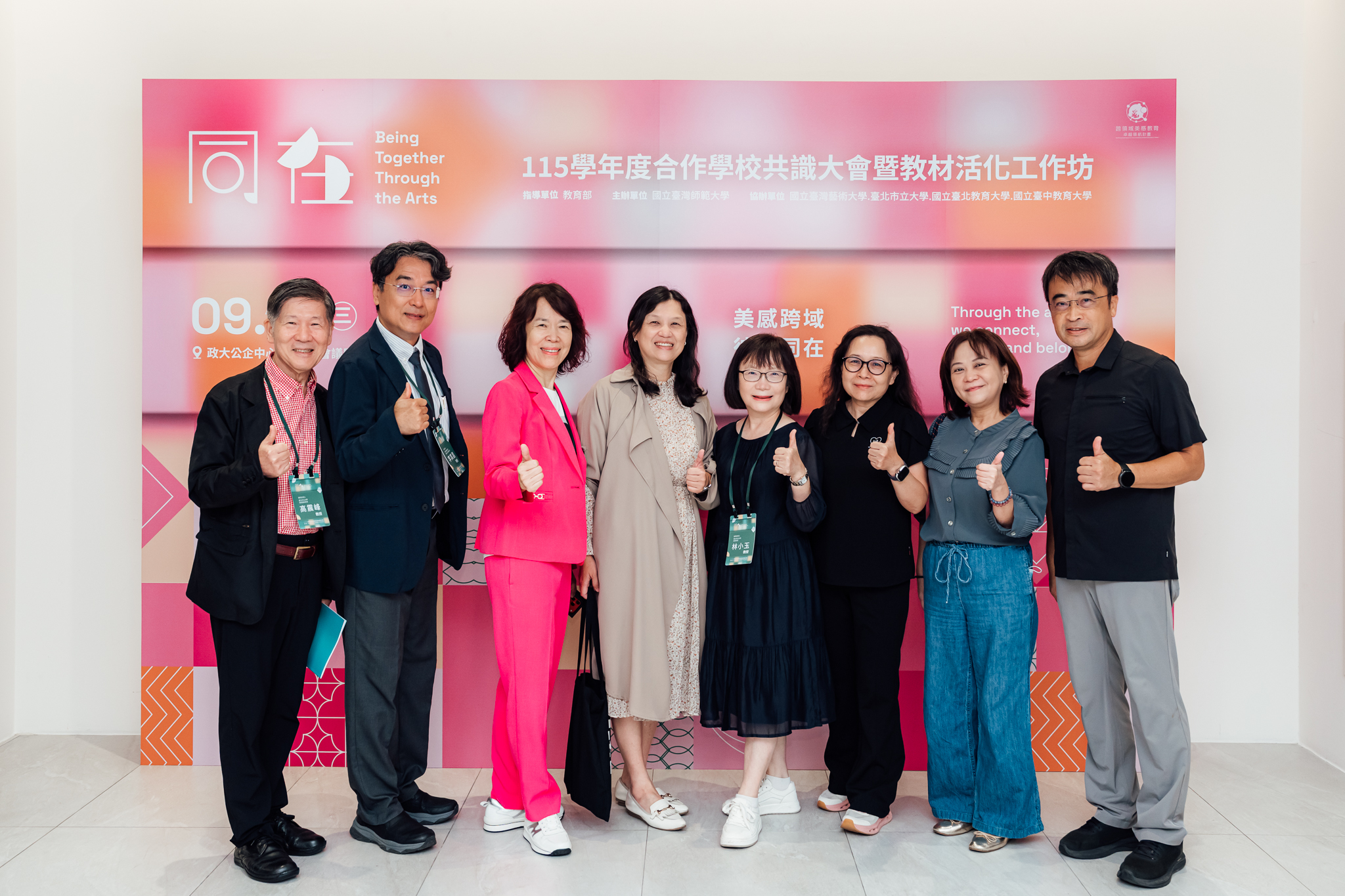
To further deepen the curriculum practice of interdisciplinary aesthetic education, the "Together—2026 Academic Year Cooperative School Consensus Conference and Teaching Material Activation Workshop," guided by the Department of Teacher Education and Arts Education of the Ministry of Education and hosted by National Taiwan Normal University, will be held on September 16, 2026, at the National Chengchi University's Center for Public-Private Partnerships. Representatives from cooperative schools across the country engaged in interdisciplinary aesthetic education, members of the Teacher Education and Cooperative University Committee, and representatives from aesthetic education project implementation units of education bureaus (departments) of municipalities and counties will participate. Through project consensus building, curriculum practice sharing, and teaching material activation workshops, the workshops will launch the new academic year's journey of interdisciplinary aesthetic education practice.
The event, themed "Togetherness," featured the opening ceremony's premiere film, "Togetherness," which tells the story of three young people who continue to live together after graduating from university. The film depicts how different life experiences converge in the same space, showcasing the shared life, anxieties, expectations, and confusion among the three, echoing the companionship, understanding, and support inherent in "Togetherness."
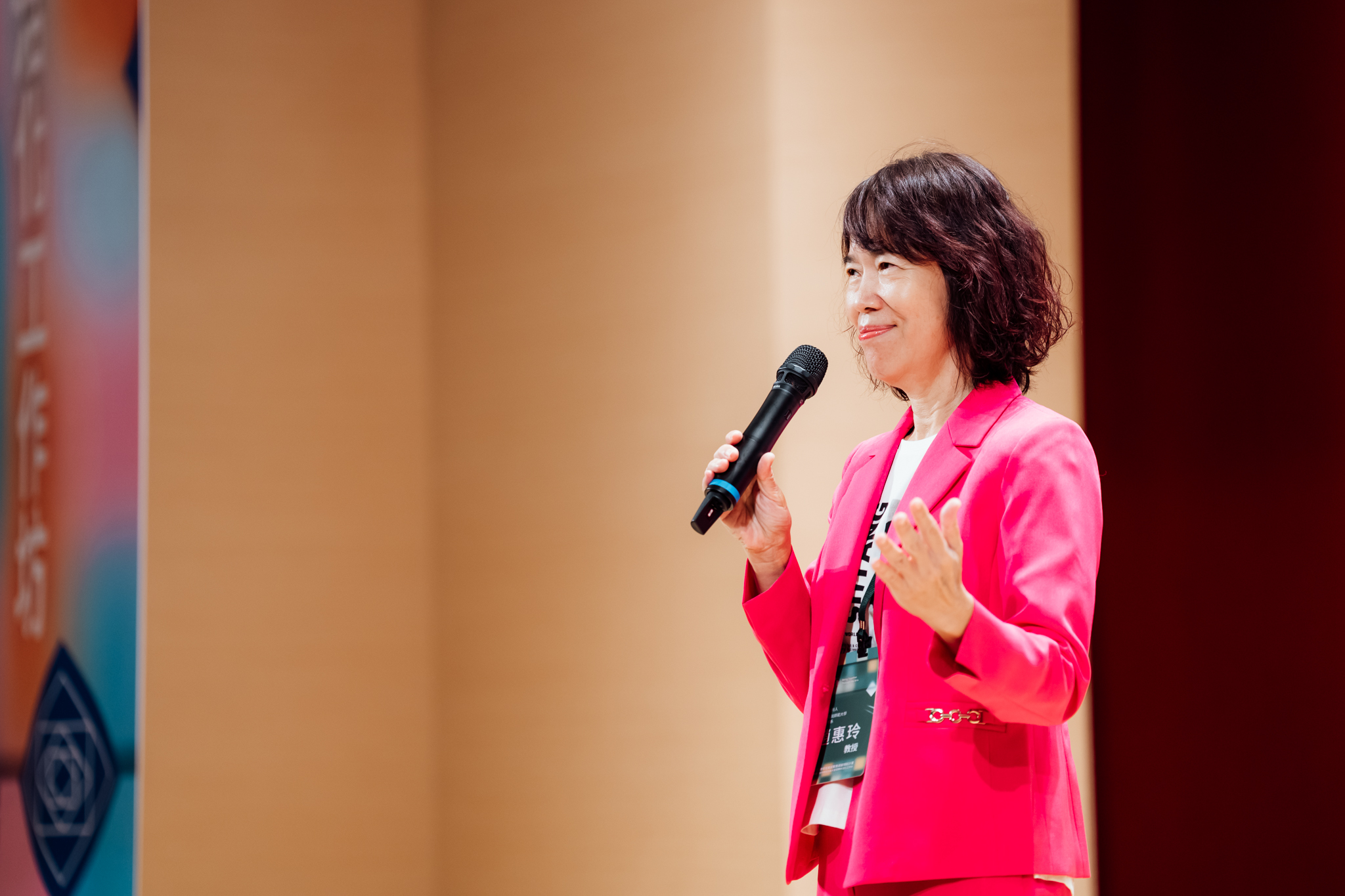
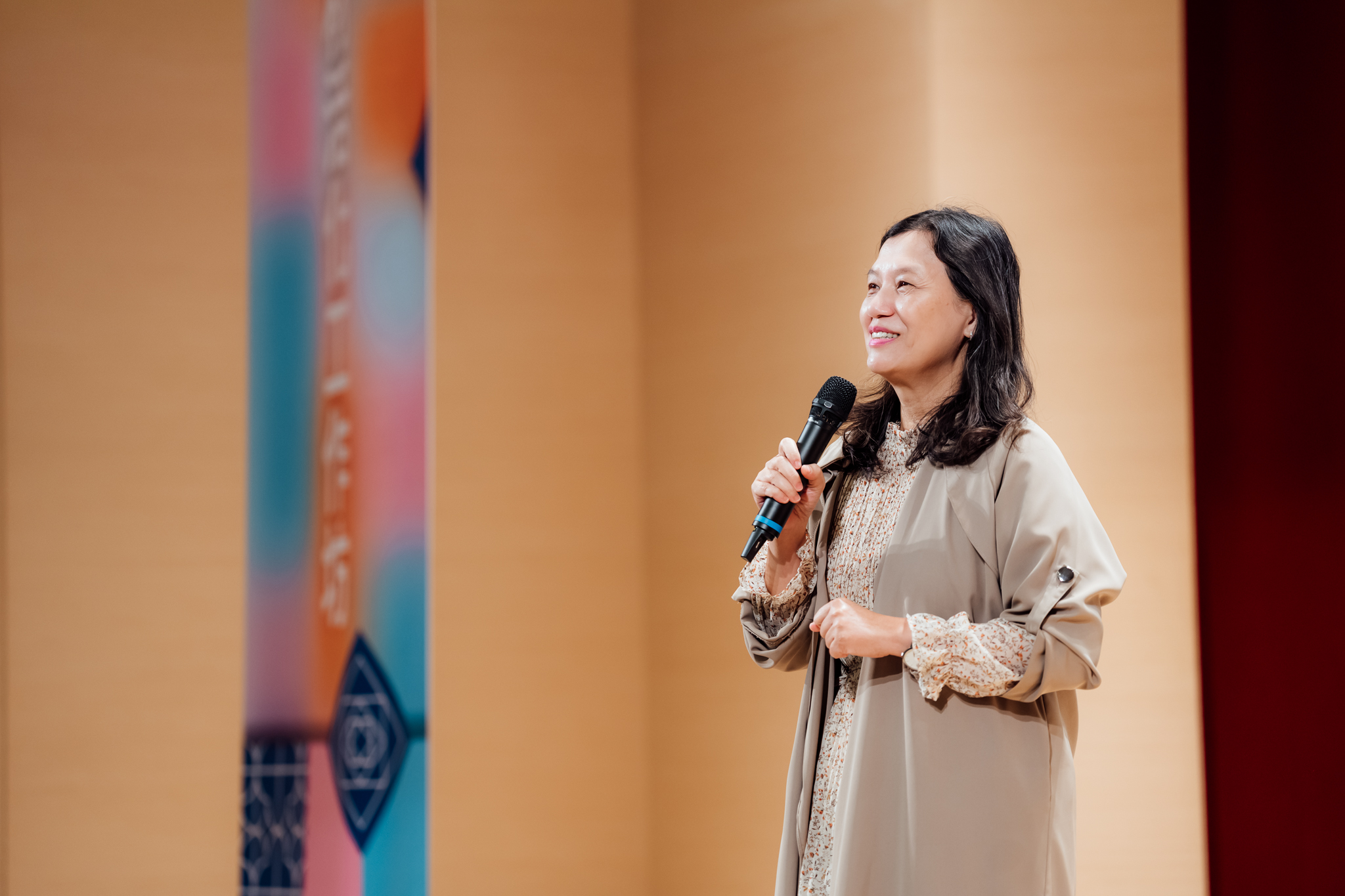
Project leader Professor Hui-Ling Chao of the Department of Fine Arts at National Taiwan Normal University stated that the "living room" in the video represents a space where everyone is present, which can also be extended to society, schools, and workplaces. The power of art and aesthetics can serve as an important medium for bringing people together. Professor Chao also expressed her gratitude to the Department of Teacher Training and Arts Education of the Ministry of Education for its long-term support, and for developing the "Interdisciplinary Aesthetic Education × Social-Emotional Learning Treasure Box" teaching materials under the encouragement of the Deputy Director. She hopes that through mutual support, they can accumulate the energy for the next generation to move forward.
Deputy Director Wang Shujuan also stated that everyone is "together" at this moment, and with the support of Social Emotional Learning (SEL), even when facing hardship, we can find a way forward and a reason to stay. She also shared her thoughts on "imperfection," believing that only when people are willing to accept each other's imperfections can they face the future together and continue to strive for the survival of humanity.
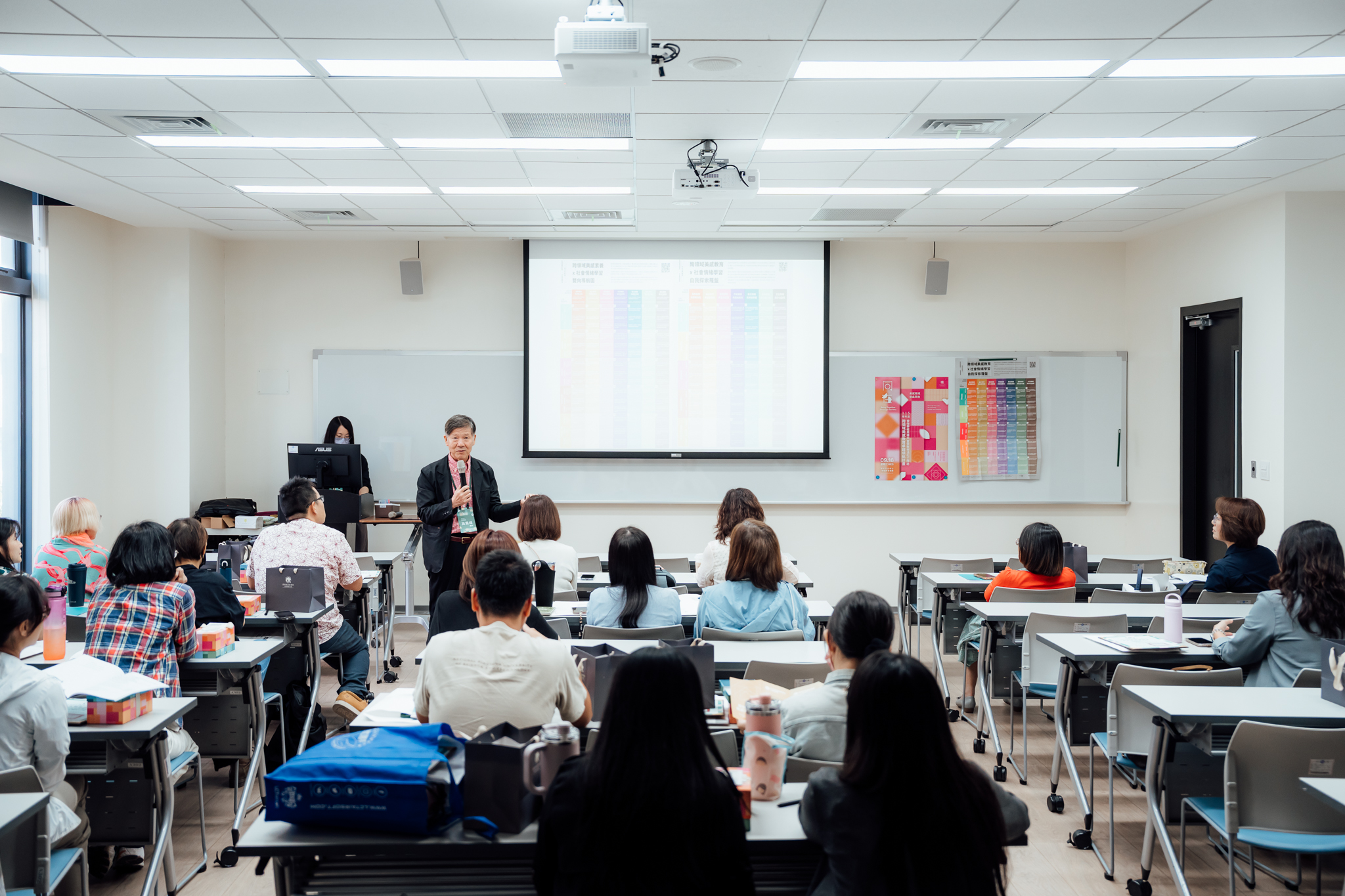
![Professor Huang Chun-min of the Department of Education at National Taiwan Normal University explains "[Analysis of the Core Content of the Curriculum Module 5.0 and Practical Application of Curriculum Creation Plans]".](https://www.inarts.world/wp-content/uploads/2026/09/DSC00865.jpg)
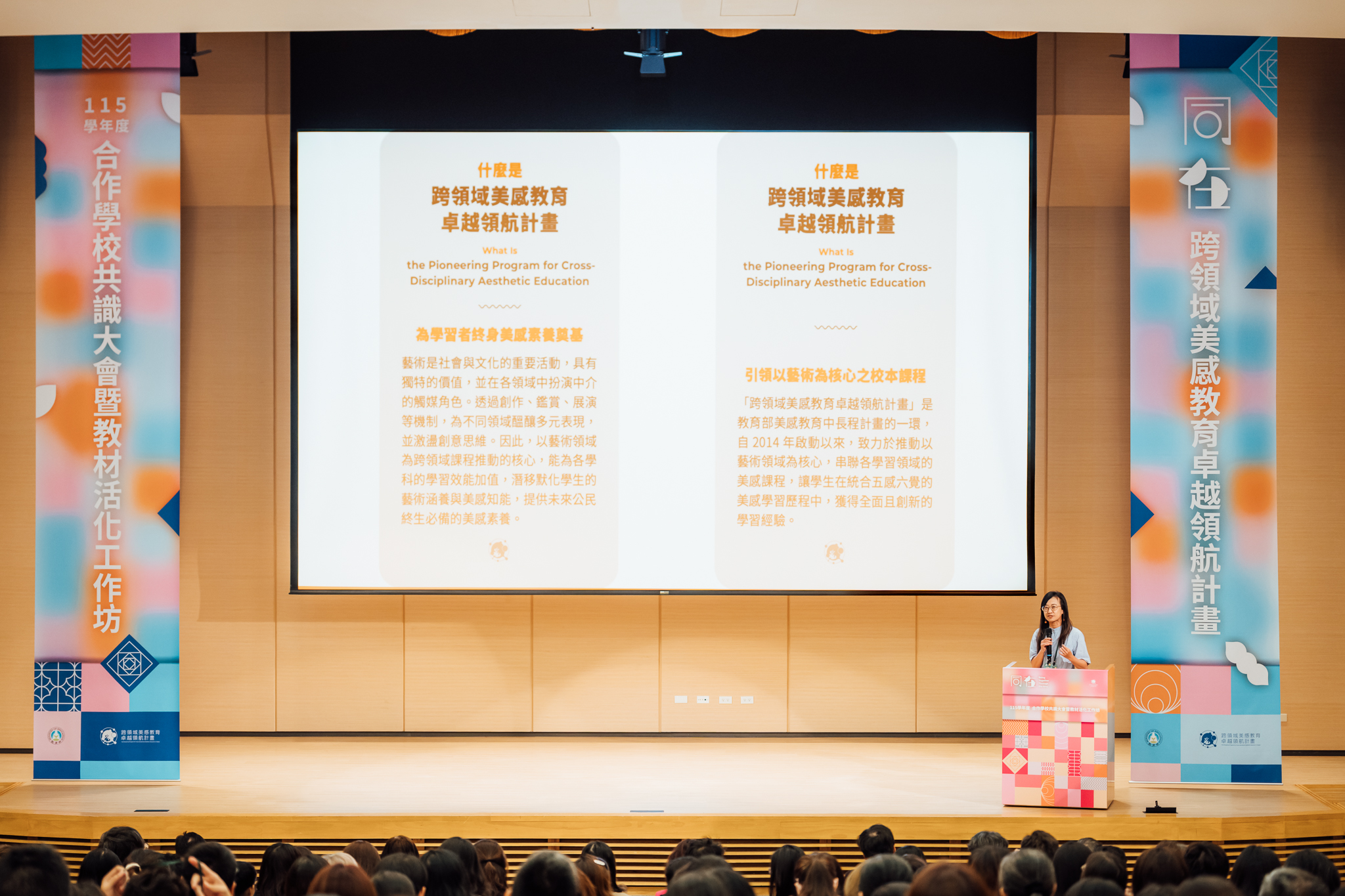
The event continued with Professor Huang Chun-min from the Department of Education at National Taiwan Normal University giving a presentation on "Analysis of the Core Content of the Curriculum Module 5.0 and Practical Application of Curriculum Creation Solutions," explaining the core architecture of the new curriculum module and curriculum creation solutions.
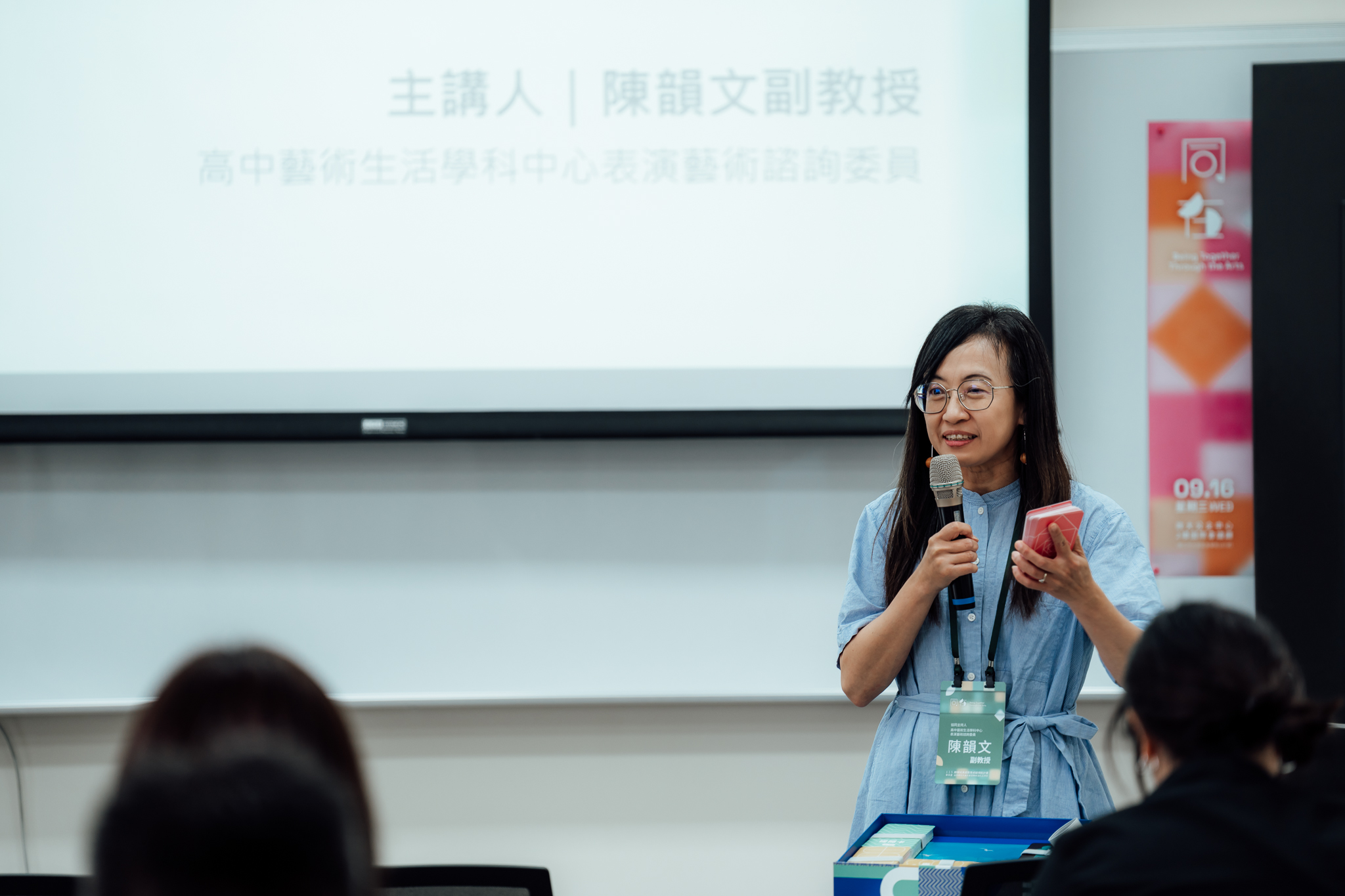
Regarding the interdisciplinary practice of SEL, Associate Professor Chen Yunwen, a performing arts consultant at the High School Arts and Life Subject Center, shared "Interdisciplinary Aesthetic Education Project × Social and Emotional Learning Literacy Connection and Application," emphasizing that art permeates every field and is also an important way to understand the world.
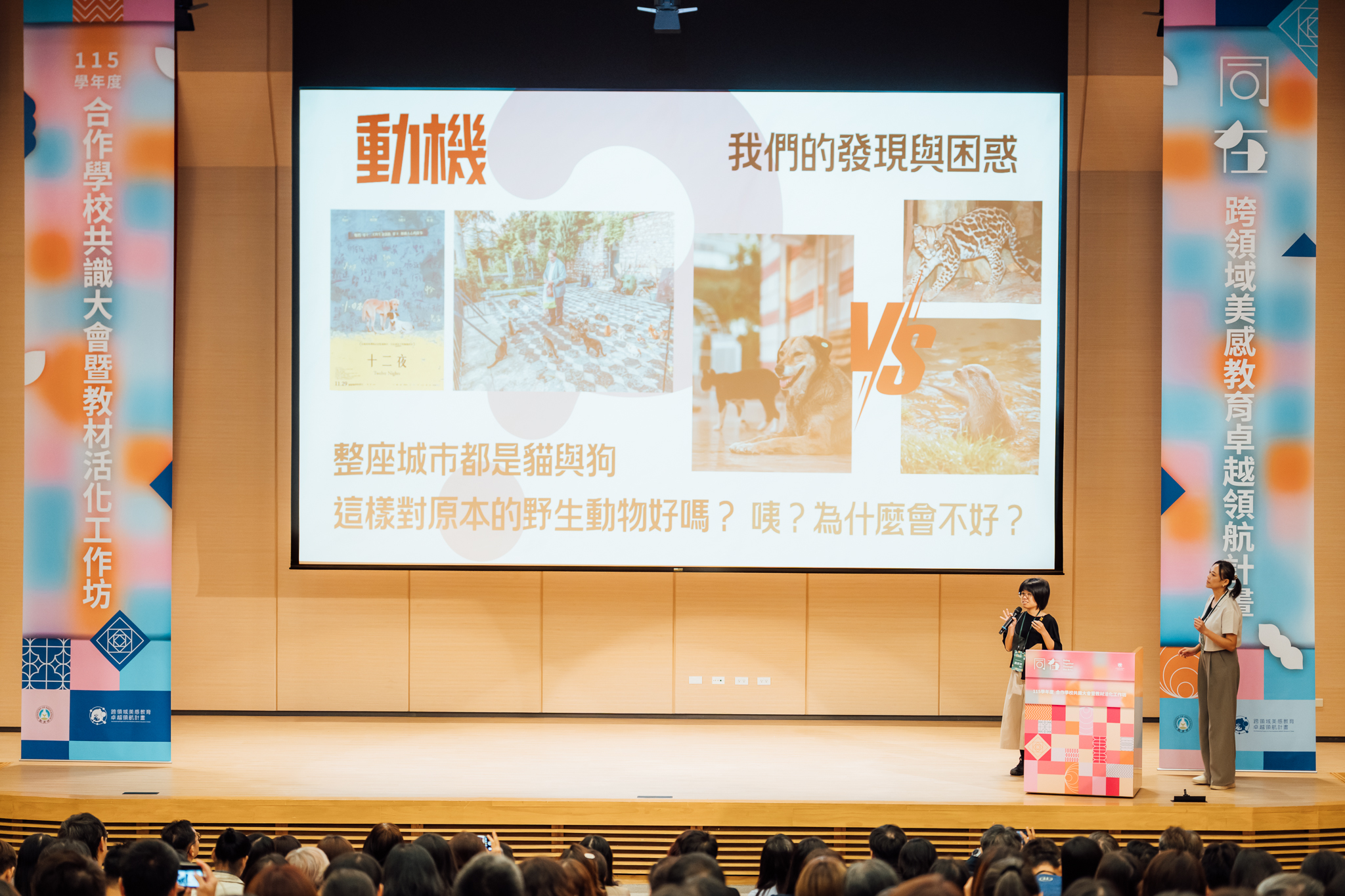
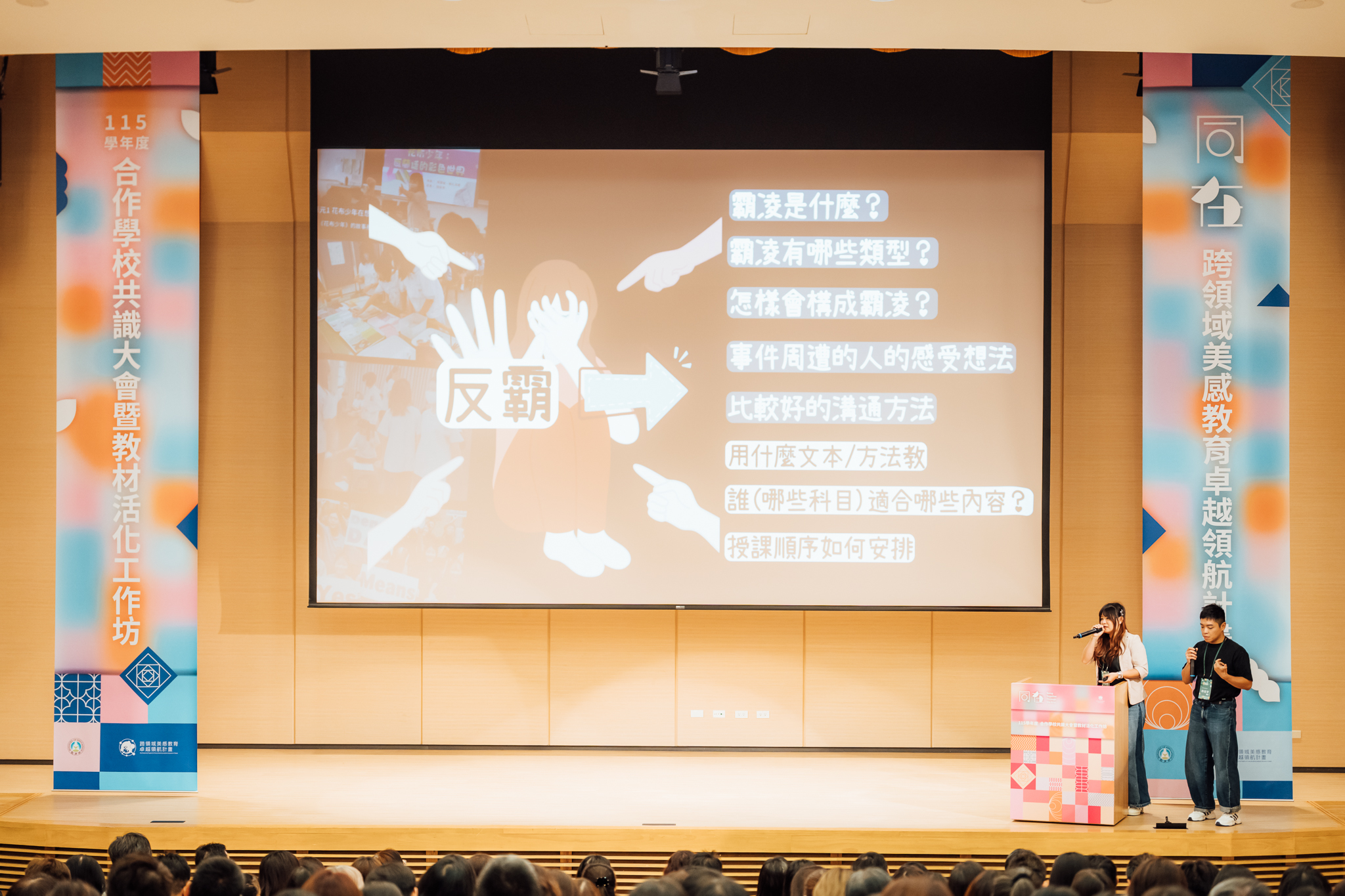
The SEL (Science, Education, and Learning) course experience sharing session invited Yu Wan-chi and Yen Yu-chien, elementary school teachers from Kinmen County with many years of experience, to integrate their community collaboration experience. Starting from the issues of homelessness and wildlife, they led students to visit the animal disease control center and rethink the relationship between humans, animals and the environment through questioning and reflection. Li Ya-hsiu and Lin Hsin-yu, teachers from Taipei Municipal Jingmei Elementary School, shared how to start from aesthetics, combine art creation and SEL to lead students to explore issues such as history, human rights and bullying, using the White Terror, local markets and diverse food culture as materials.
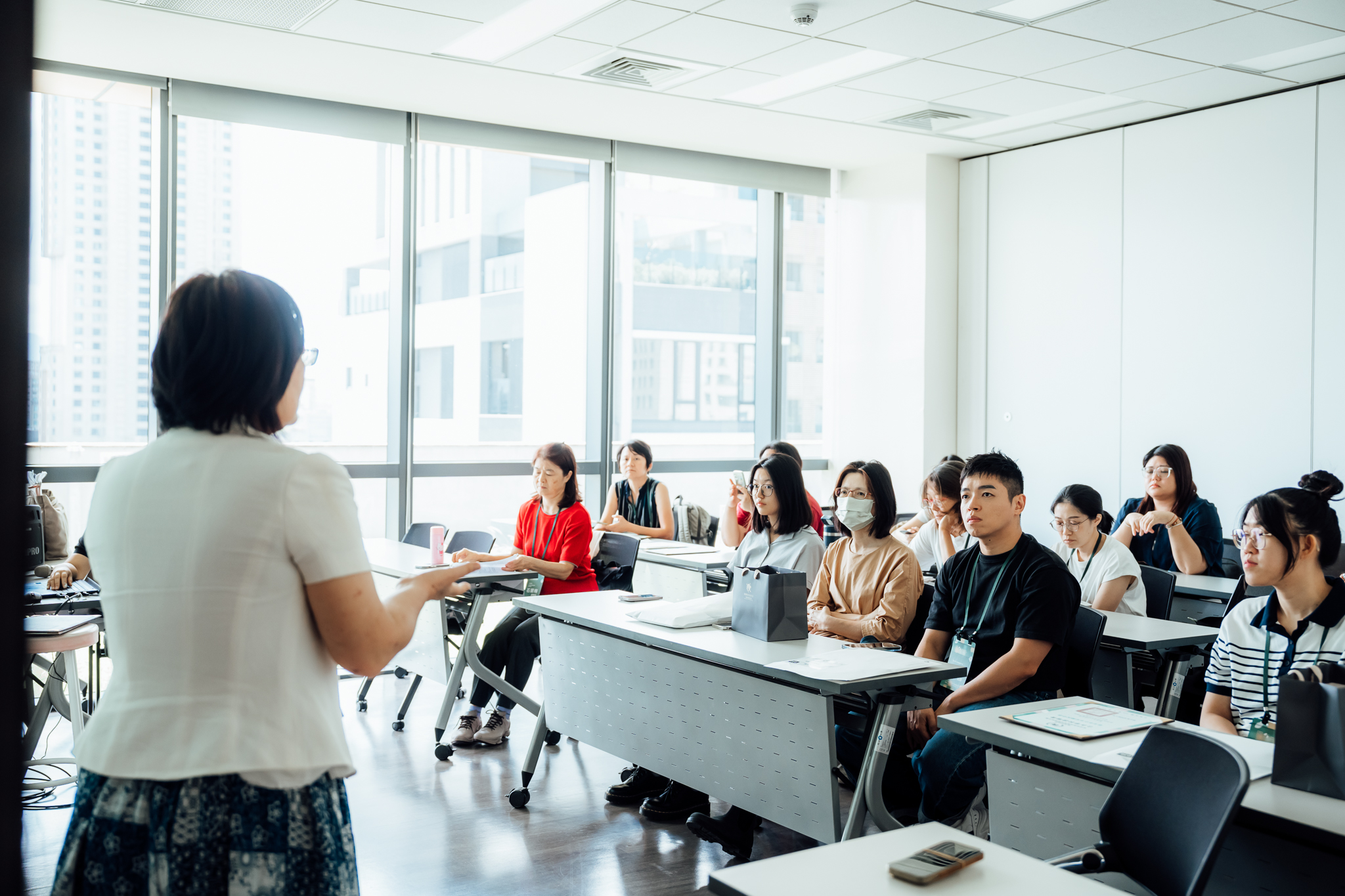
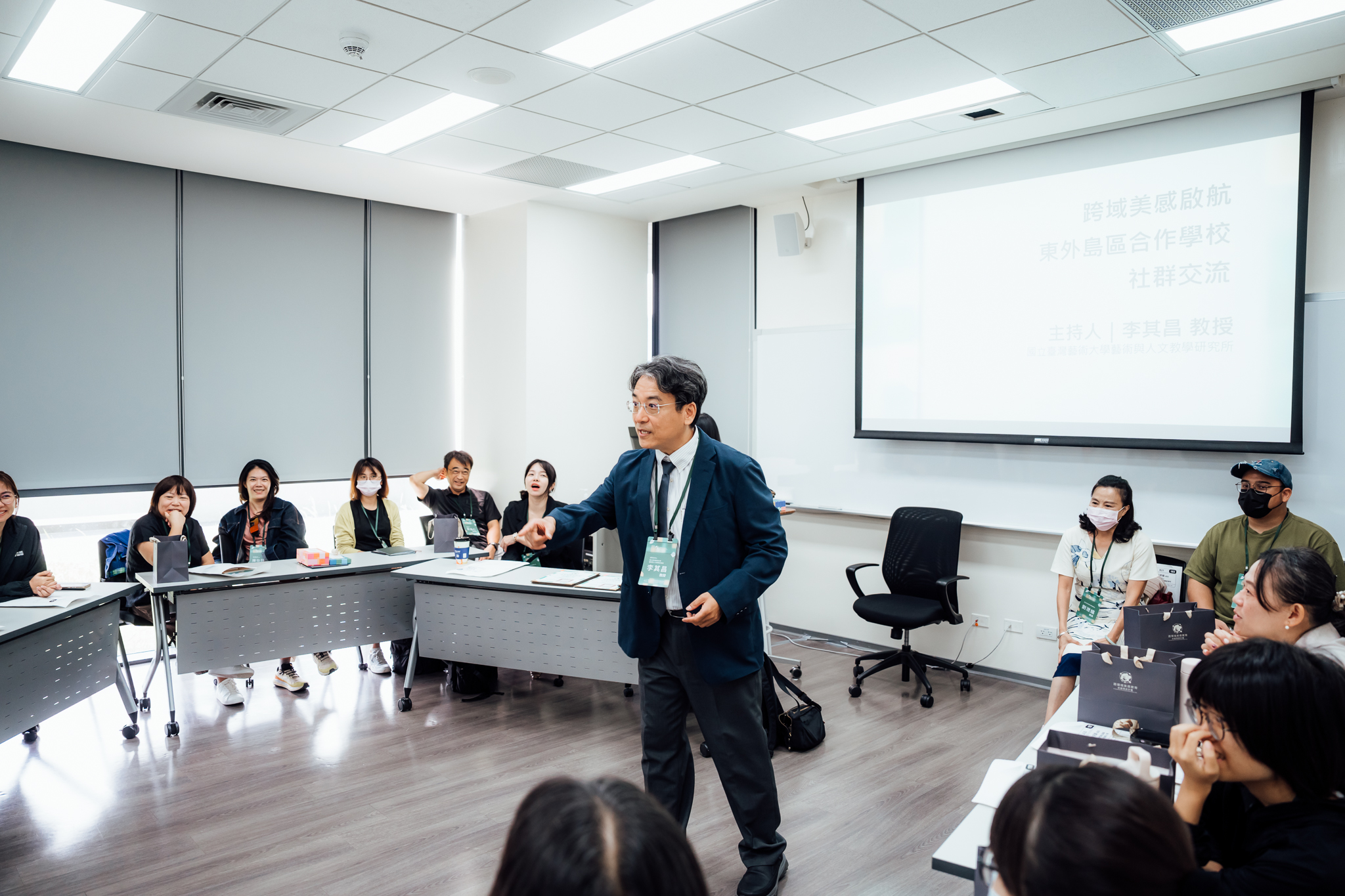
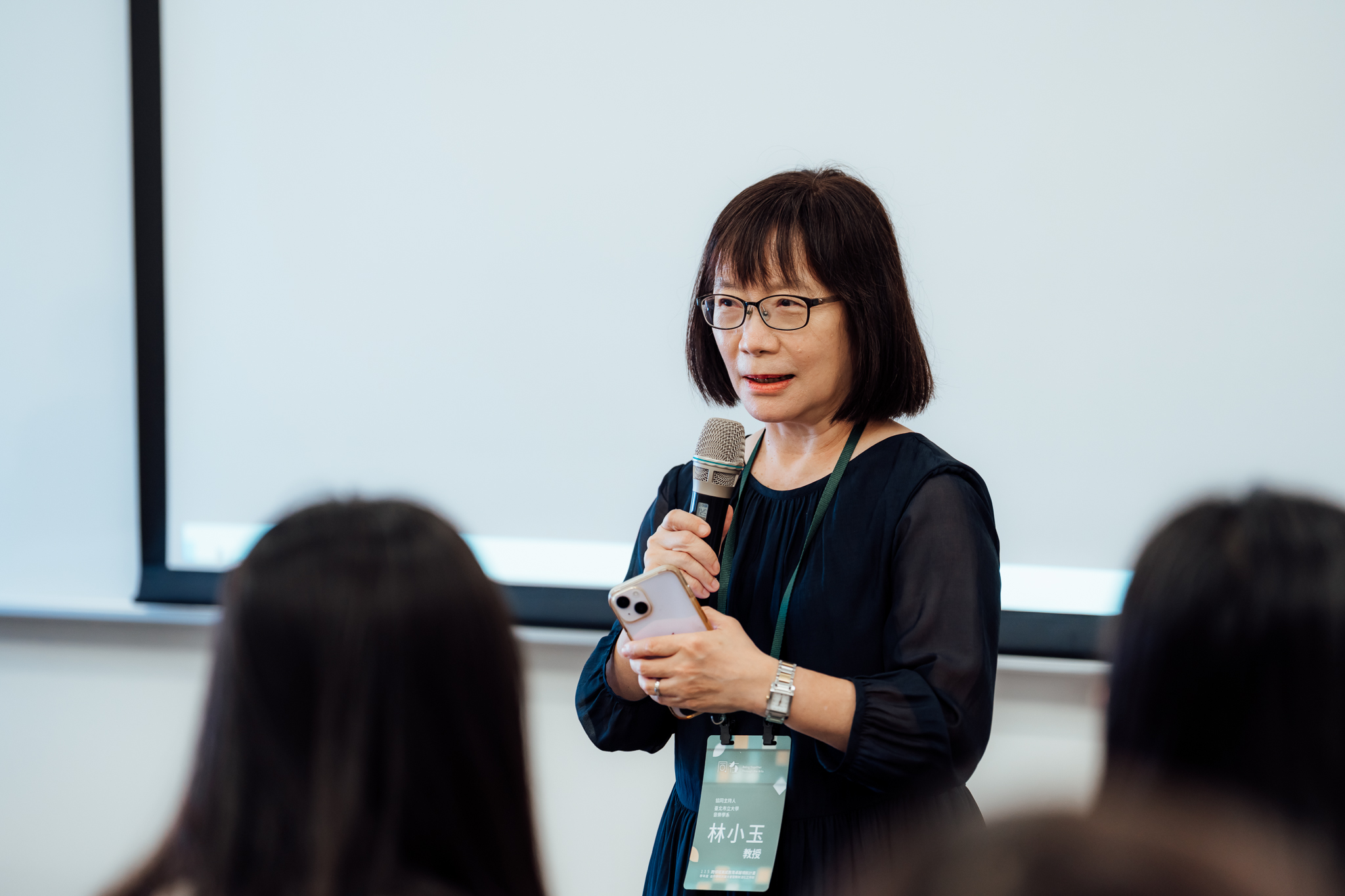
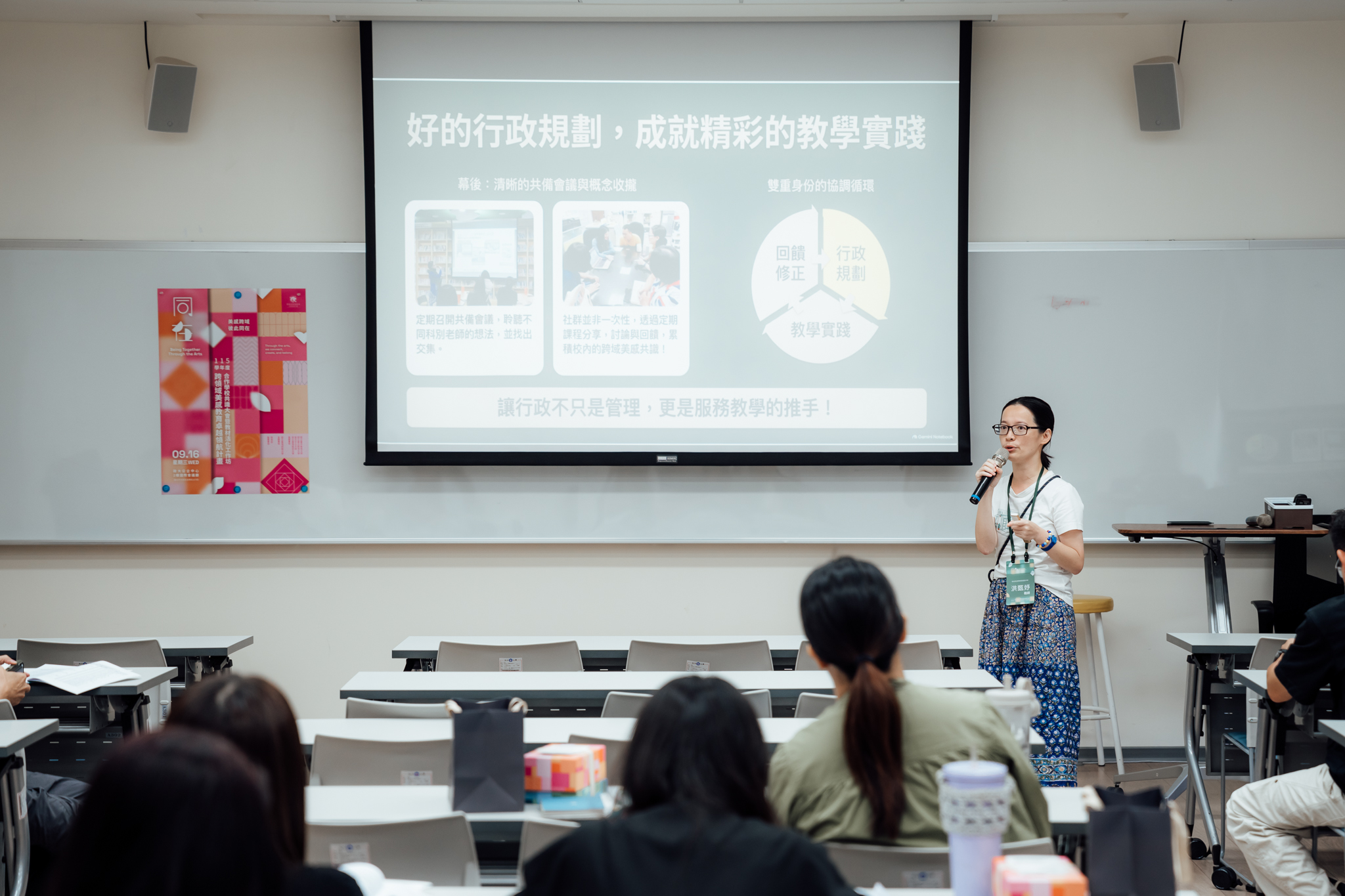
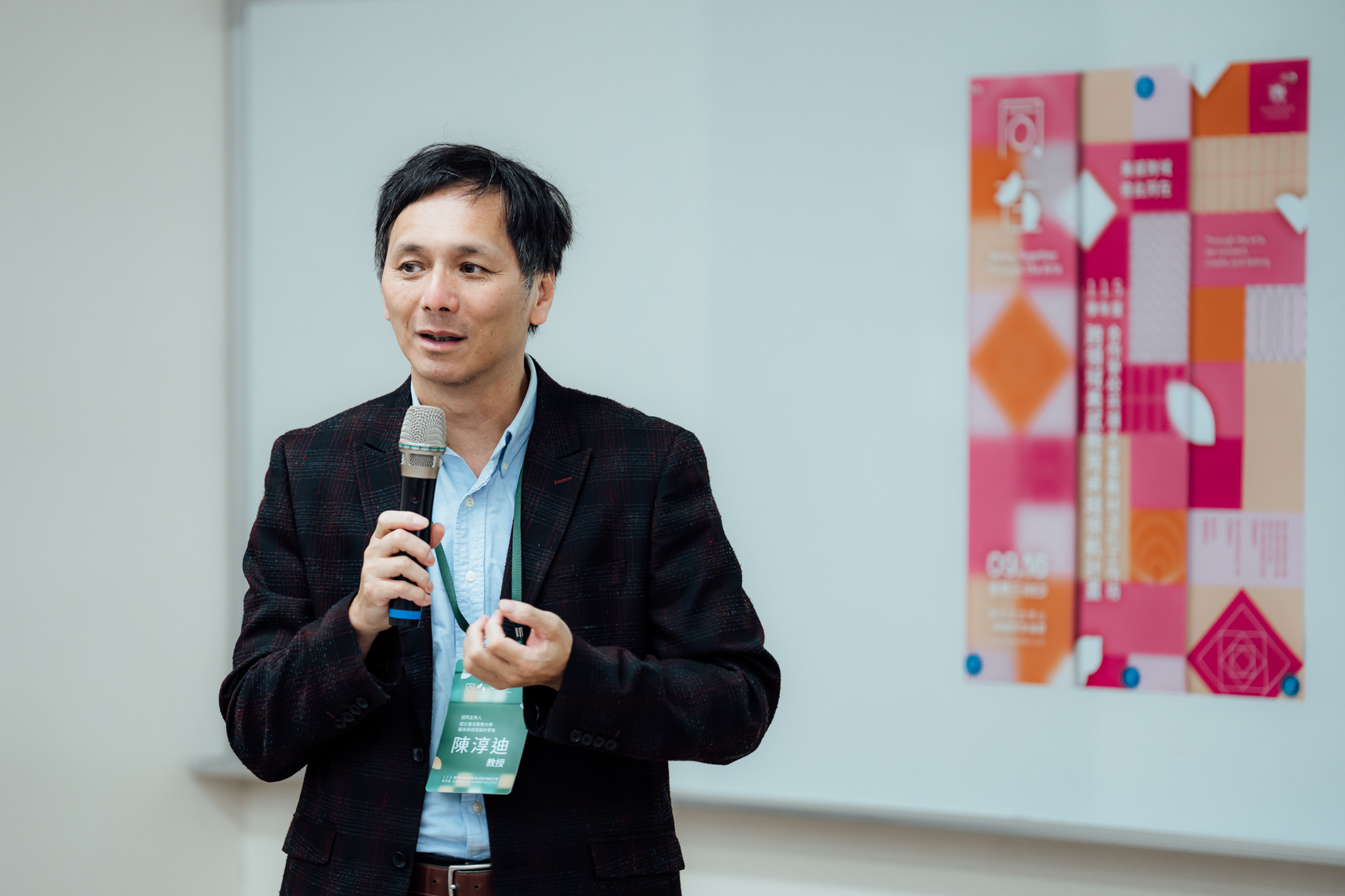
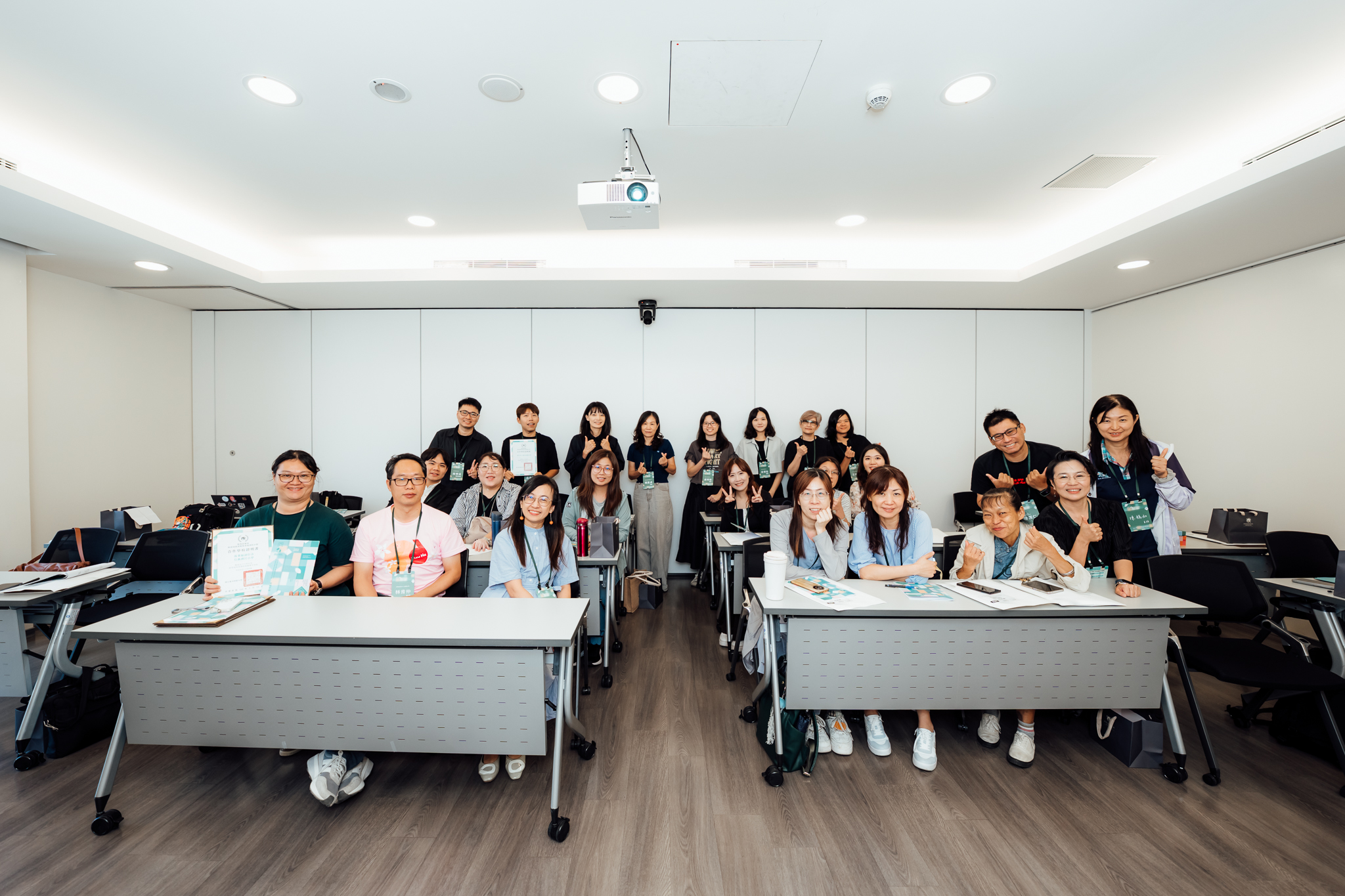
Following a series of engaging thematic presentations, a "Regional Exchange among Partner Schools" session was held before noon. The sessions, organized by region, were led by professors from each region, with teacher training committee members and experienced teachers from each region participating and providing guidance. Teachers, teacher training committee members, and professors engaged in in-depth exchanges and discussions on interdisciplinary teaching practices, fostering consensus and strengthening local engagement among partner schools across Taiwan through cross-school and cross-regional dialogue.
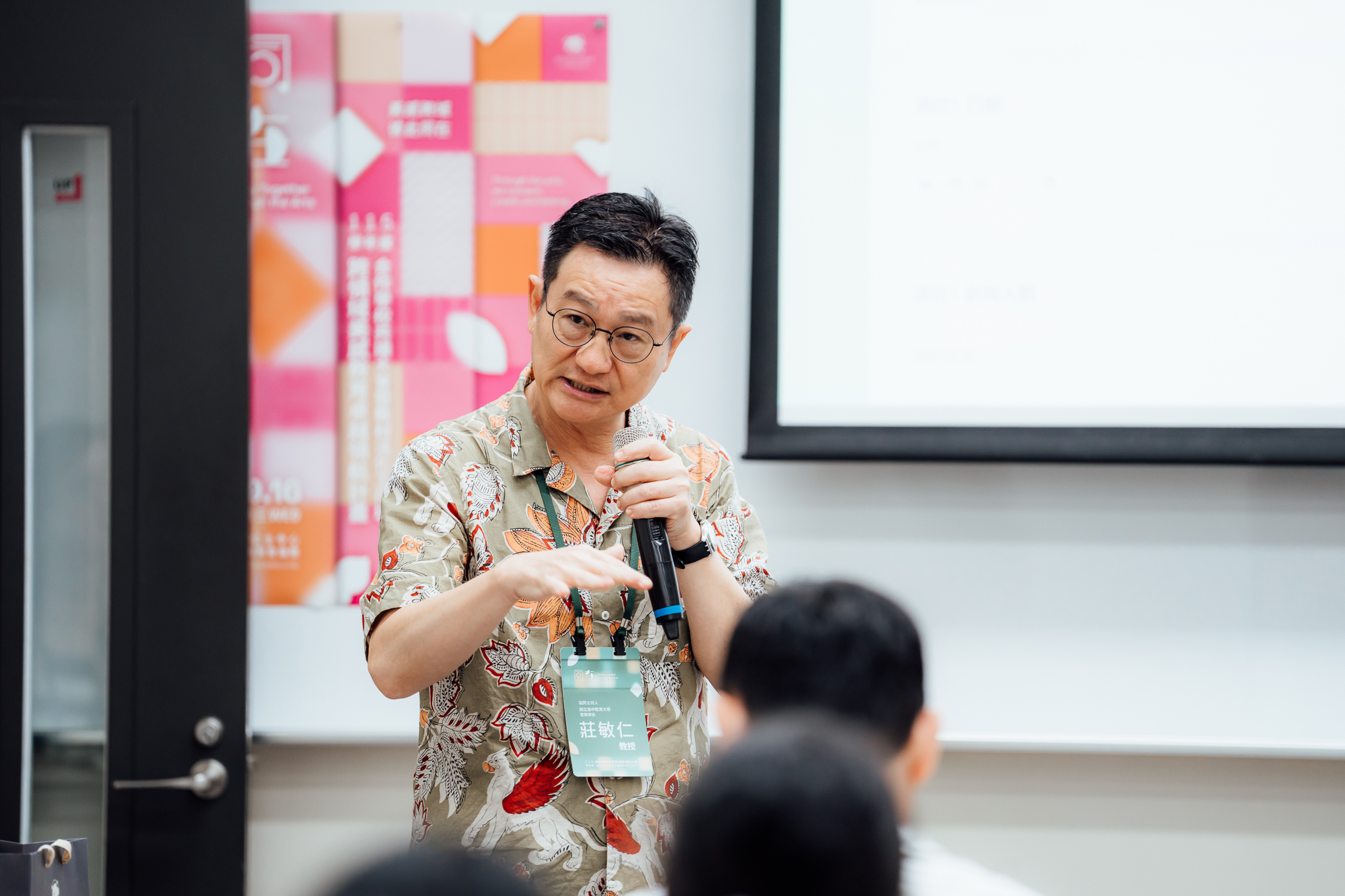
Finally, three workshops on "Interdisciplinary Aesthetic Education Project × Social-Emotional Learning" material revitalization were held. Associate Professor Chen Yun-wen, Associate Professor Jiang Xue-ying of the Department of Fine Arts at National Taiwan Normal University, and Professor Zhuang Min-ren of the Department of Music at National Taichung University of Education led the participating teachers through hands-on activities in painting, wordless cards, and music. Through sensory awareness, emotional exploration, perspective-taking, sound creation, collaborative interaction, and reflection, teachers personally experienced how the SEL (Social and Emotional Learning) concept can be transformed into concrete art learning activities, and further considered how to bring related materials and teaching strategies back to classrooms of different age groups.
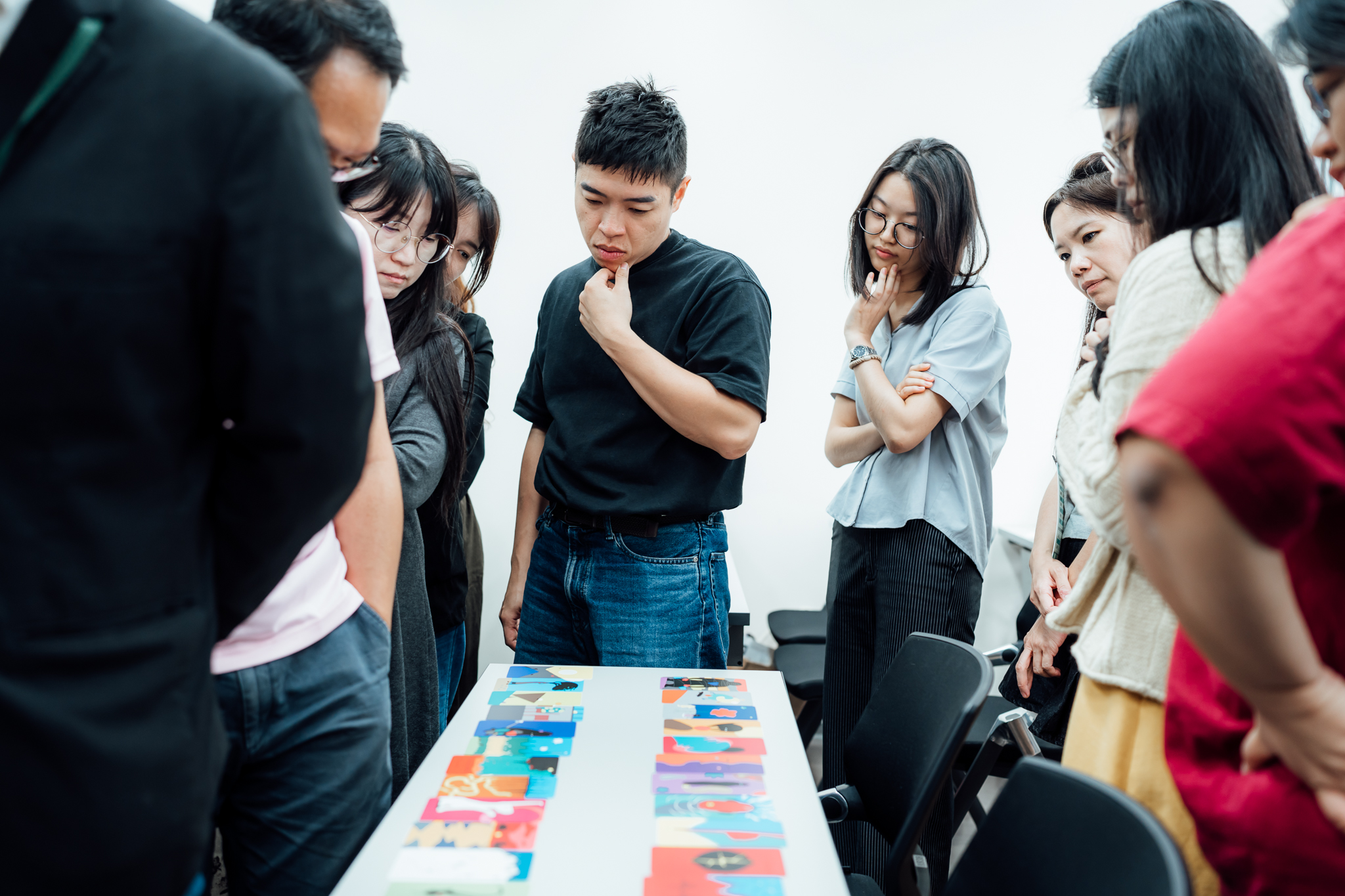
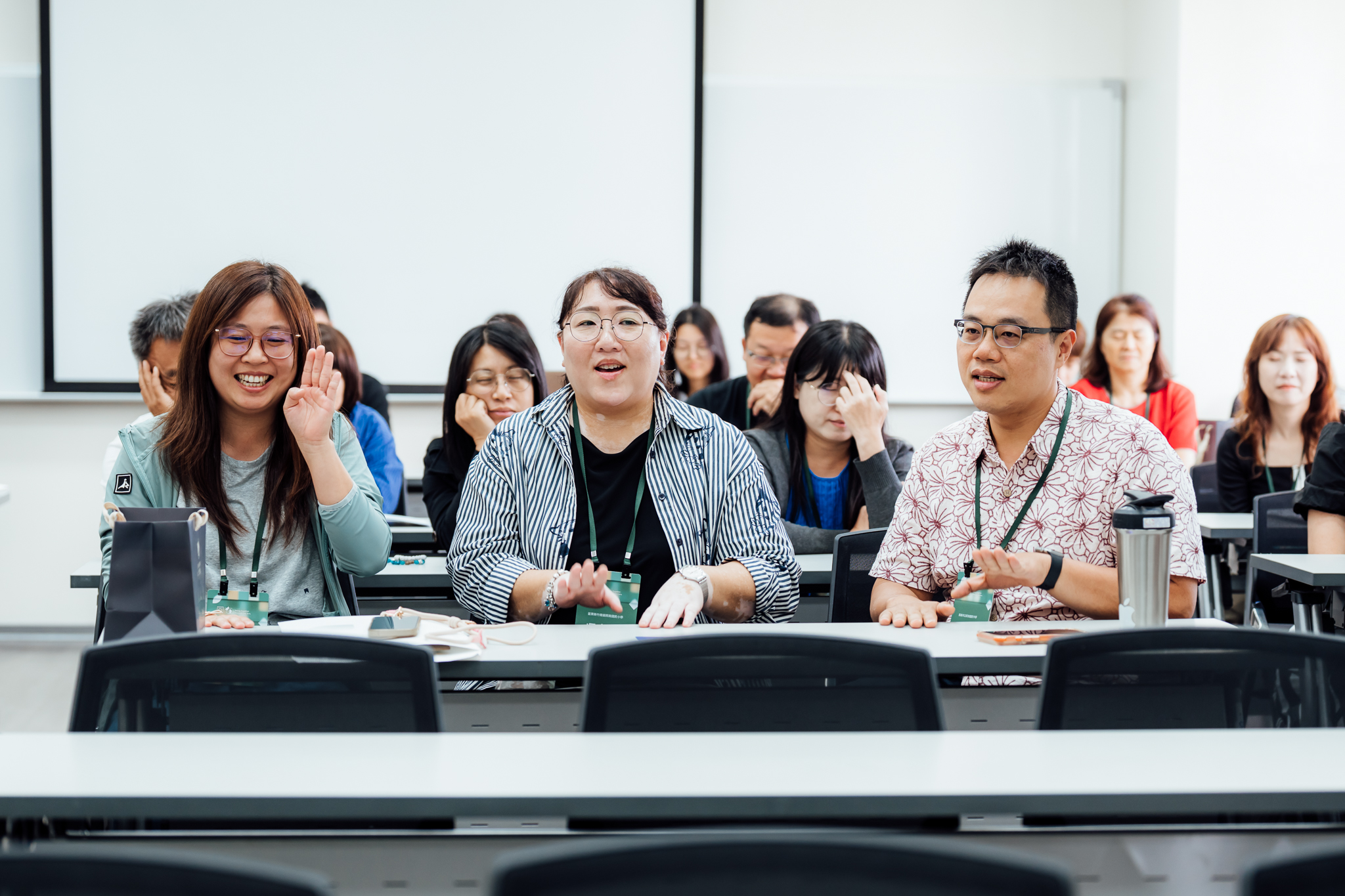
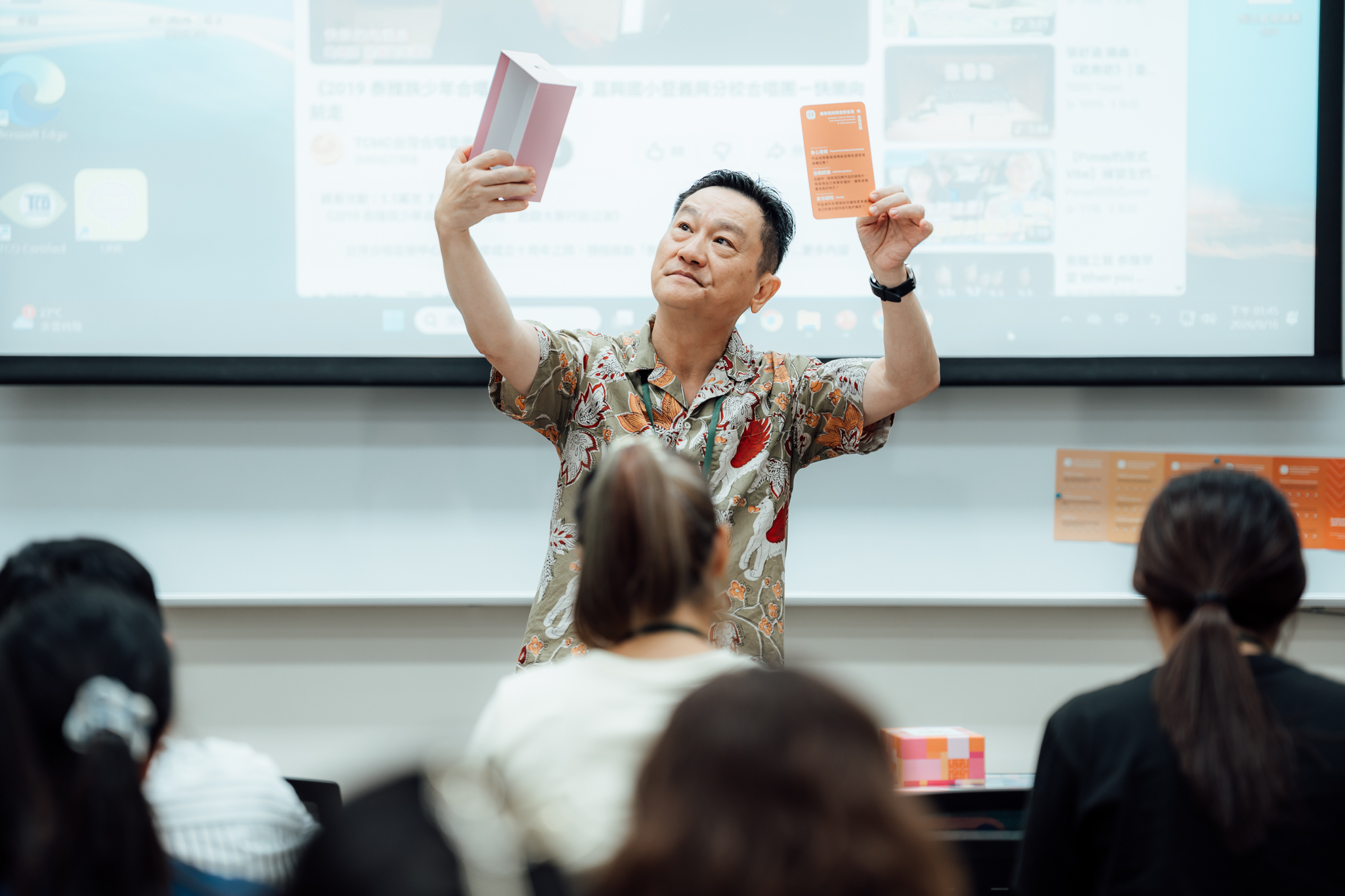
The "937 Teaching Material Revitalization Workshop" invited Associate Professor Chen Yunwen to lead participating teachers in multiple perspective-taking exercises using wordless cards from various art fields, initiating the first step towards emotional awareness. During the activity, the teacher first explained the design and integration of the cards with art elements and the core areas of SEL (Self-Learning and Emotional Intelligence). Then, the teacher was guided to move around and appreciate the cards, imagining their emotional connection with them, and choosing a card that best reflected their current situation, sparked their curiosity, or resonated with them. This allowed them to observe and acknowledge their own emotional state. Teachers shared the stories and feelings behind their chosen cards with their partners, then exchanged cards with each other, explaining to other group members why their partners had chosen that card. Through practicing listening to and receiving others' stories, the wordless cards served as a medium for narration.
They then returned to their seats to discuss and arrange the cards side-by-side, assigning a theme or slogan to their chosen deck. Members used variations in vocal pitch, volume, rhythm, emotional tone, or even a round to read aloud the agreed-upon title. Meanwhile, other members closed their eyes and listened attentively, experiencing the emotions conveyed by the voices, and then shared the emotional shifts their group wanted to express.
Through a series of activities, participants experienced the multiple interpretations of the same image or title in different people's minds, allowing them to understand the different emotional experiences and cognitive differences among their peers. Through experiential learning, emotional awareness, and sound creation, abstract neuroscience theories were transformed into actionable regulatory mechanisms in the classroom, allowing them to experience how the physiological brain influences emotions and learning states. Finally, returning to the teaching setting, teachers were guided to consider how to integrate sound and art media into curriculum design across different educational levels, creating a practical interdisciplinary teaching model that connects with students' emotions, cultivates empathy, and is effective.
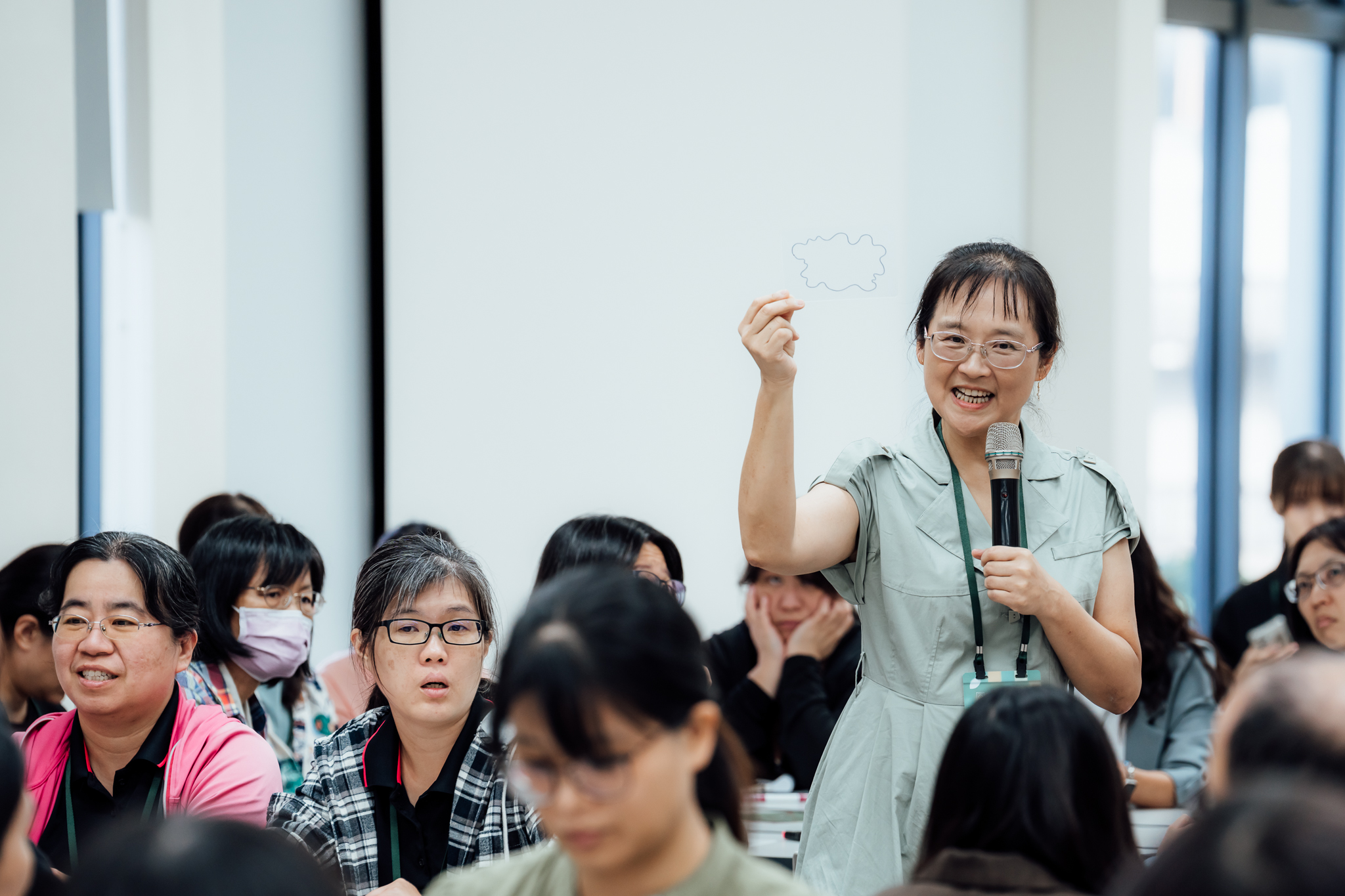
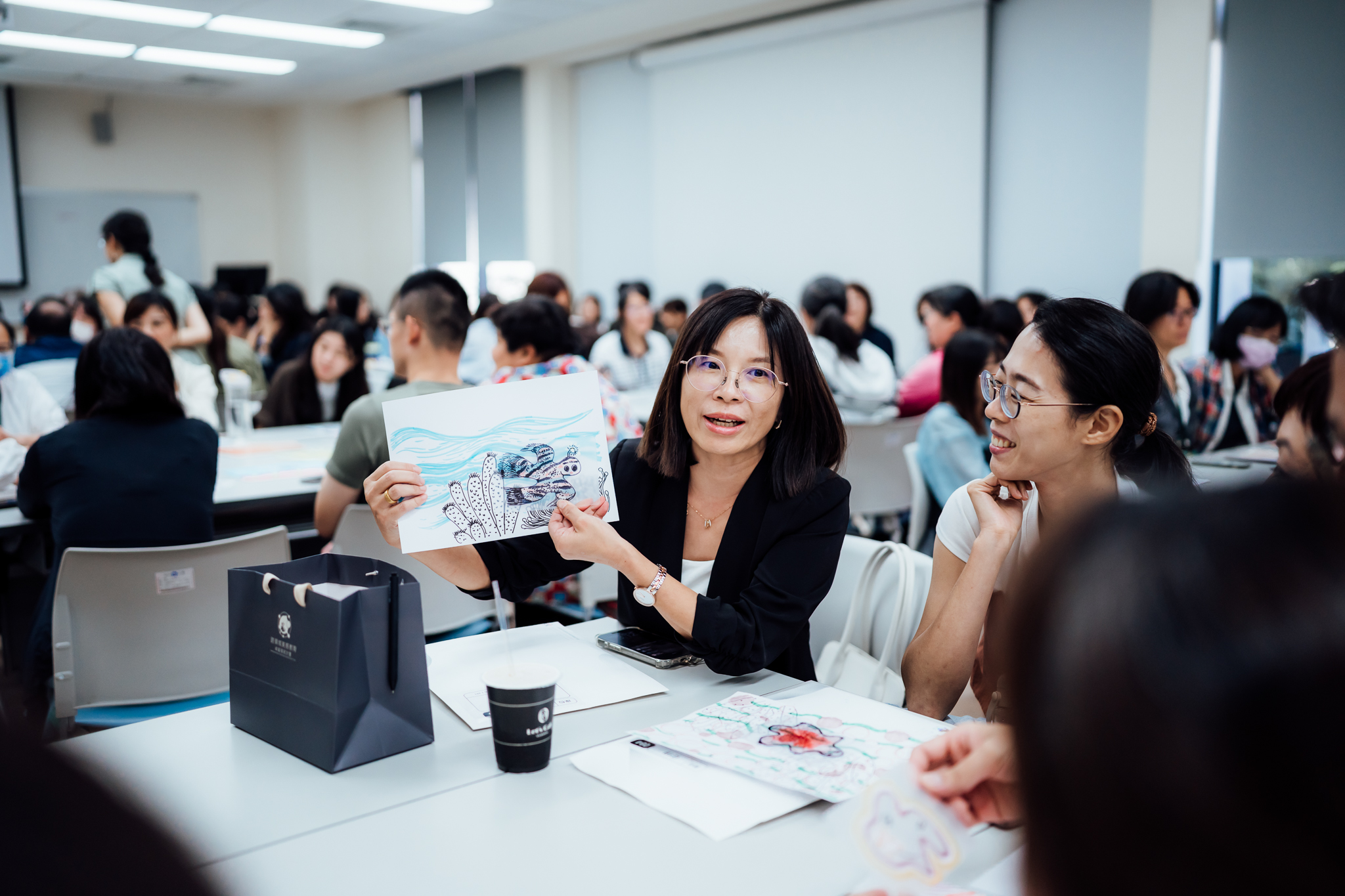
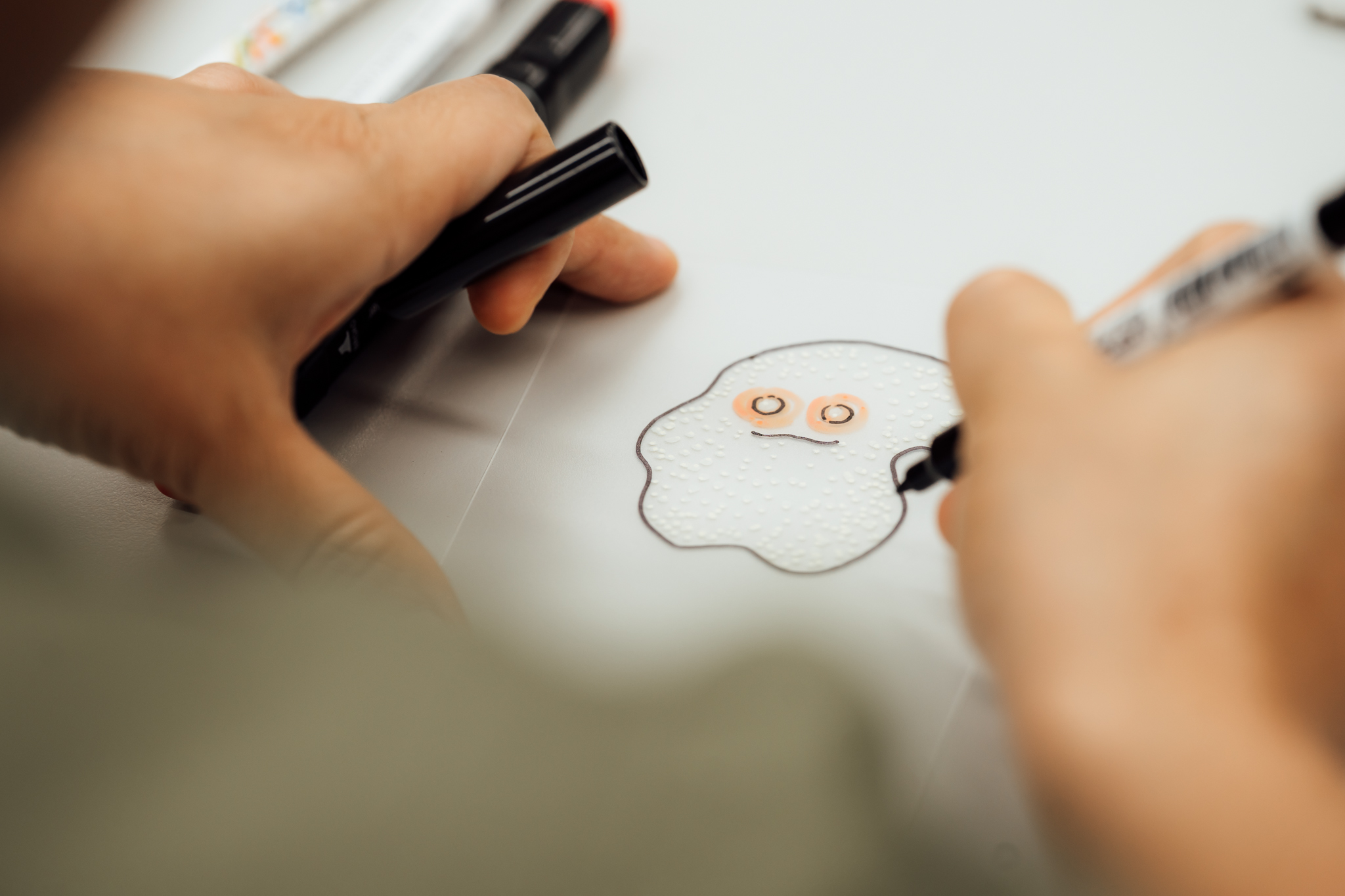
The "301 Teaching Material Revitalization Workshop" invited teacher Xueying to lead participating teachers in exploring how art can help organize thoughts, express emotions, and enhance self-awareness through painting and art activities. The workshop particularly emphasized the importance of the creative process, guiding teachers to reinterpret their own experiences with an open attitude, from feeling and thinking to emotional changes.
The activity began with group work and a five-sense questioning session, guiding teachers to reflect on their own sensory experiences from everyday perspectives. Teacher Xueying pointed out that many cultural experiences emphasize events and contexts, rarely expressing feelings directly. Art, however, offers a different form of expression than language, transforming visual memories and sensory experiences into creative works, allowing inner feelings to be seen. Through creative activities incorporating art therapy concepts, teachers explored themselves freely and rediscovered their inner experiences through their artwork.
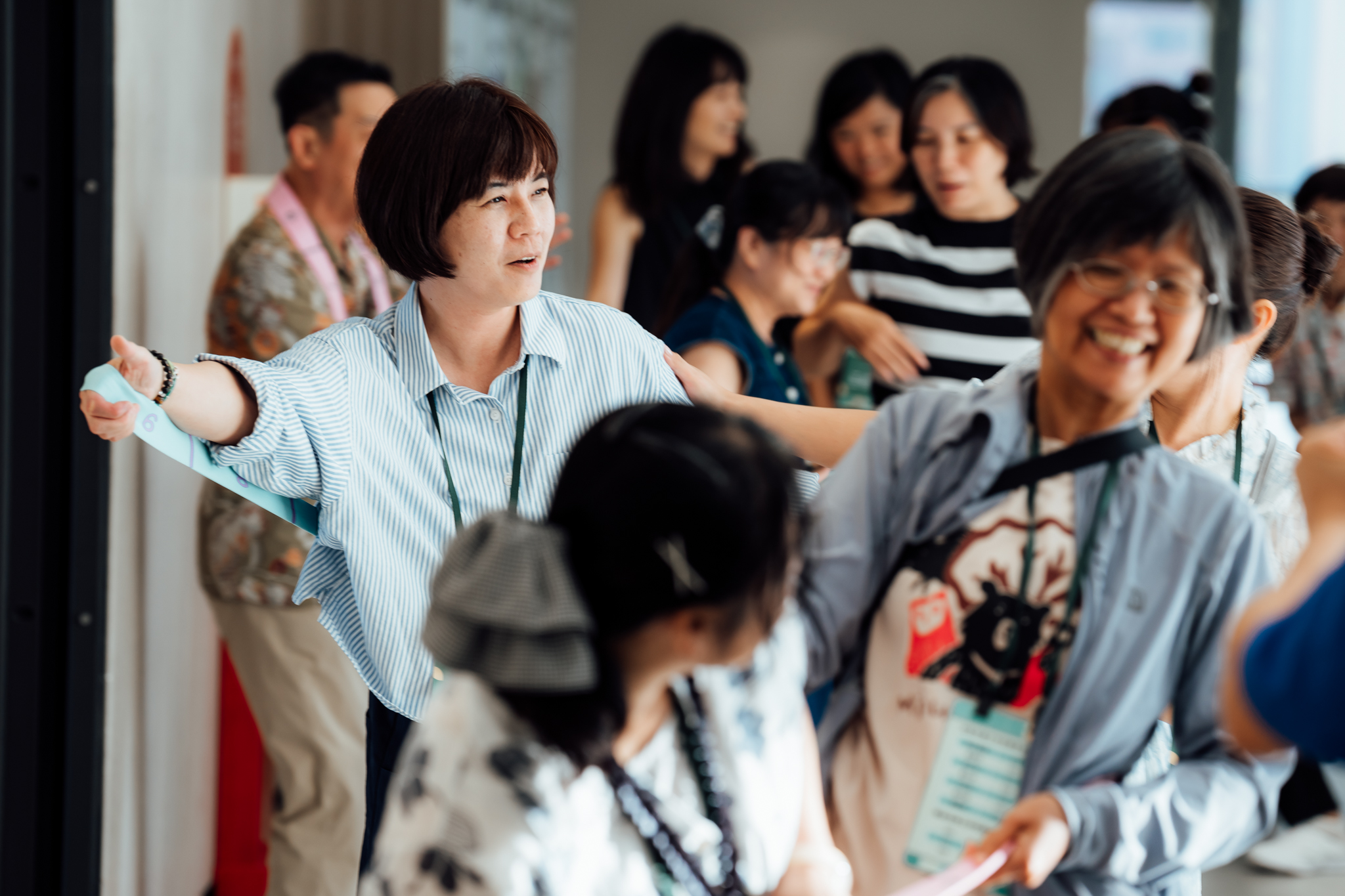
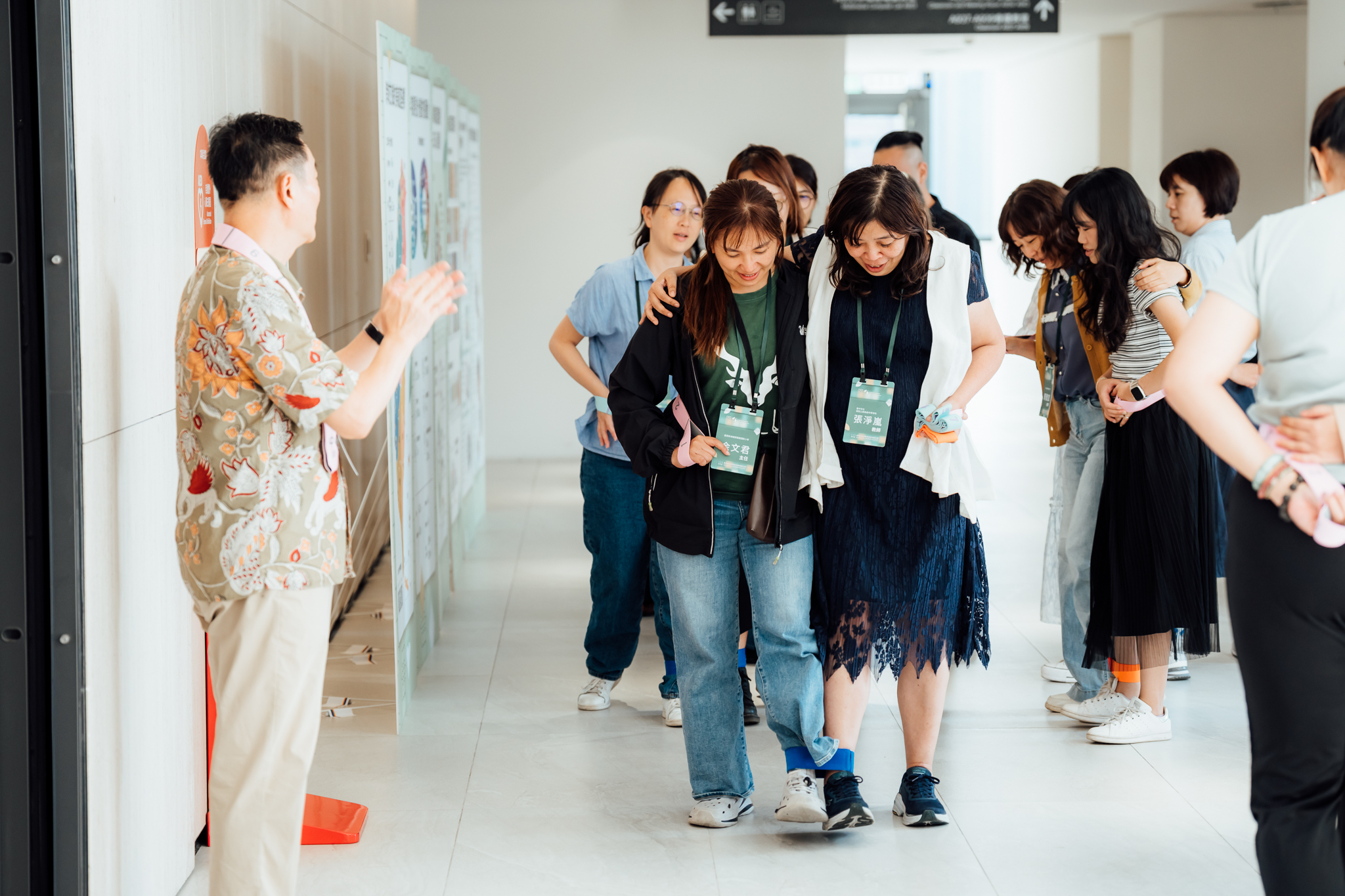
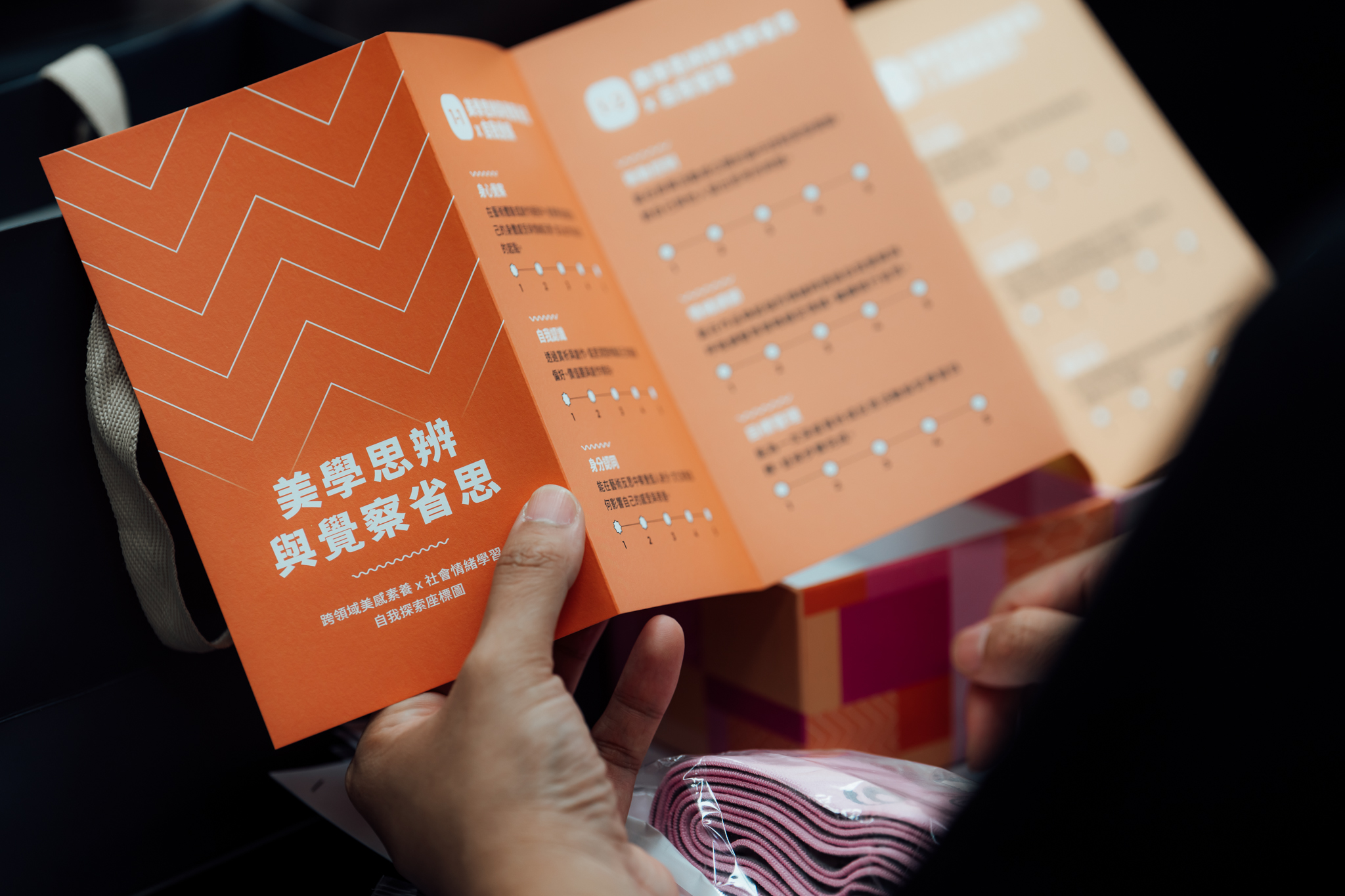
The "939 Teaching Material Revitalization Workshop" invited Professor Chuang Min-jen to lead participating teachers in a practical course centered on interdisciplinary aesthetic education combined with social-emotional learning (SEL). Through music activities, teachers were guided to gradually understand the application of self-exploration compass, coordinate diagram and navigation card from "feeling - awareness - interaction - reflection".
The course uses the musical expressions of C major and C minor as a starting point, allowing participants to experience the emotions conveyed by different keys through listening, singing, and variations in tempo and rhythm, and to connect these emotions with their own physical and mental feelings. Then, through paired tension experiences, three-legged races, and group activities at different speeds, the course guides teachers to observe stress, cooperation, harmony, and interpersonal interaction, further prompting reflection on learning objectives such as self-awareness, social awareness, and self-management.
During the activity, teachers transformed the abstract concept of SEL (Self-Learning Experience) into concrete and observable behavioral manifestations through questioning, peer observation, and self-assessment, and practiced linking curriculum objectives, teaching activities, and assessments. Finally, returning to "how to translate it into one's own classroom," teachers were invited to consider appropriate ways of expression for different age groups, and how to use navigation tools to design concrete and workable interdisciplinary aesthetic courses.
This event, from project consensus and curriculum modules to case sharing and workshop practice, connected the professional resources of partner schools and educational partners across the country, allowing art, aesthetics, and SEL to continue to intertwine in different educational settings. In the future, the interdisciplinary aesthetic education project will continue to support teachers in deepening their interdisciplinary teaching practices through regional community exchanges, curriculum development, and material revitalization, making aesthetic education a vital force connecting oneself, others, and the world.
related articles